‹
›
‹
›
◉ PRODUCT SPECIFICATION
Overview
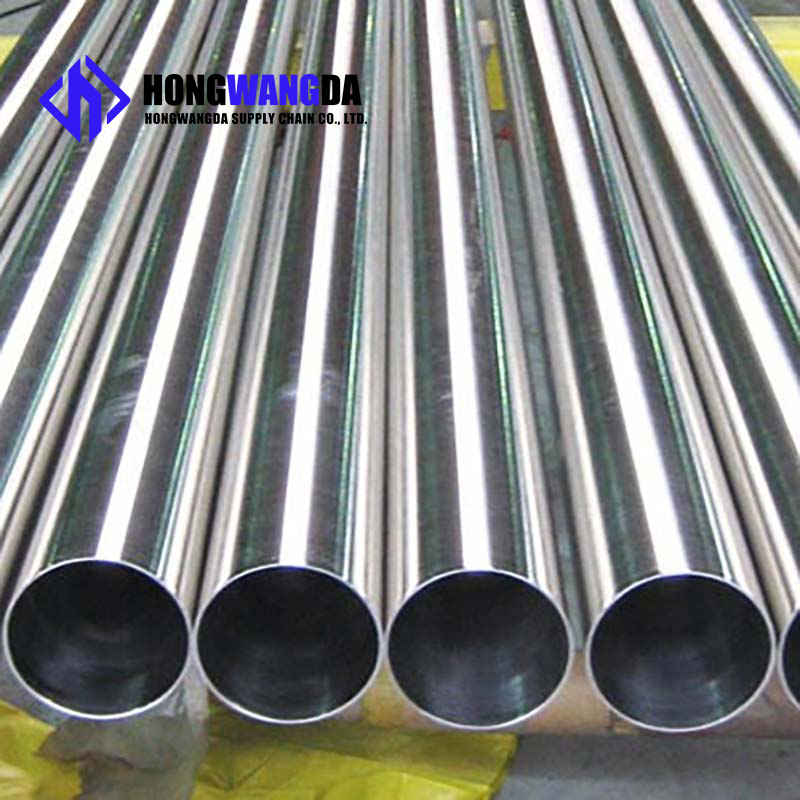
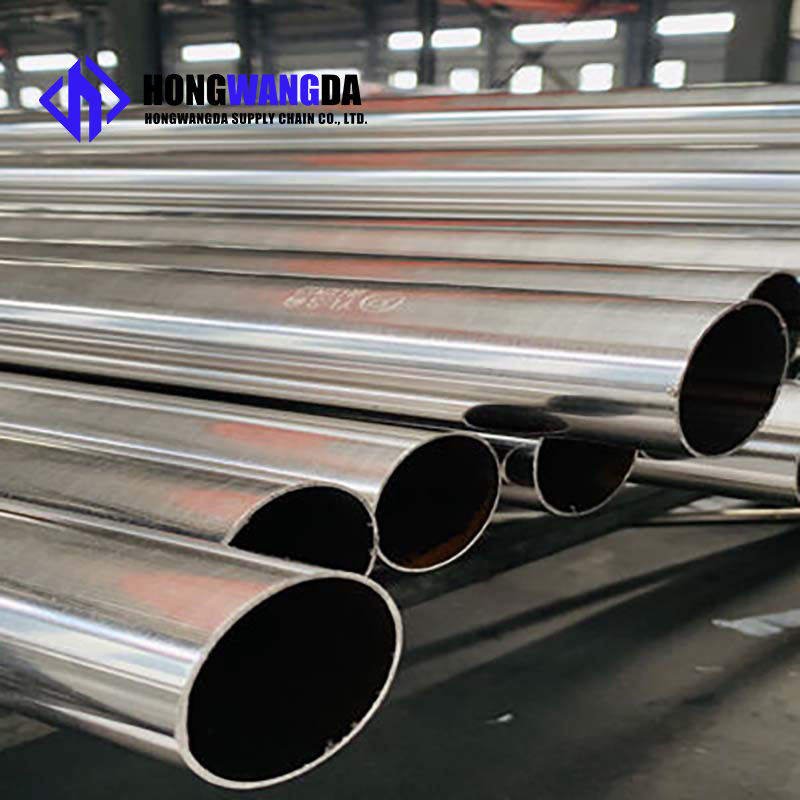
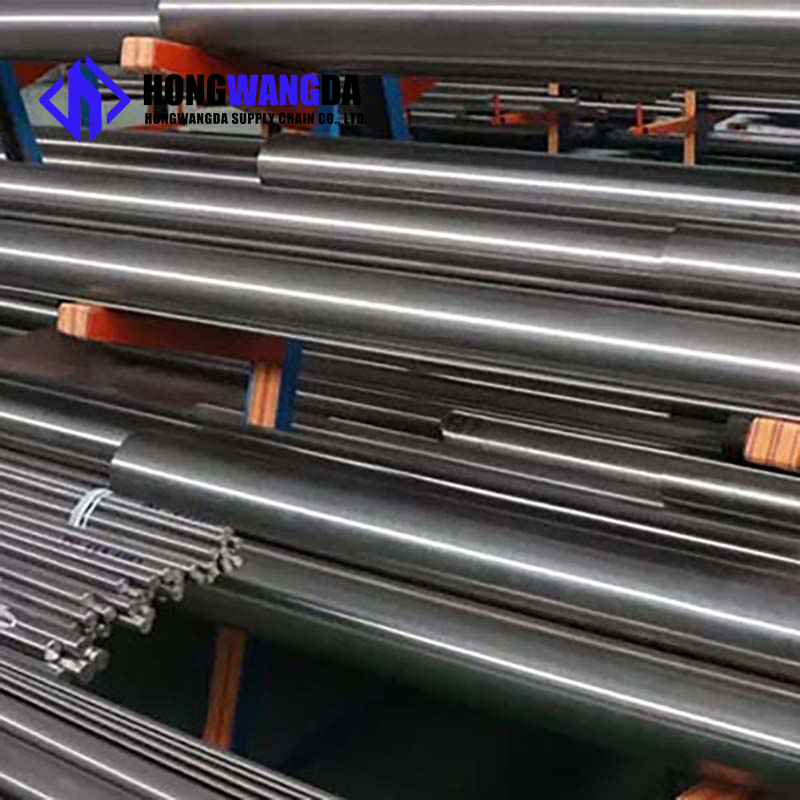
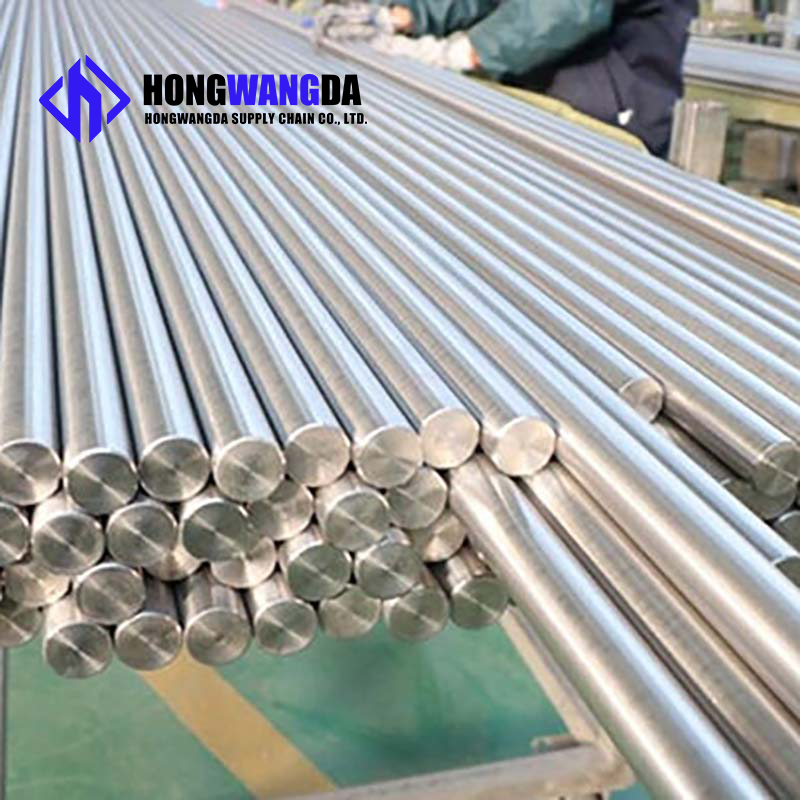
Hastelloy alloy bars are solid, long metal products manufactured from the renowned family of nickel-based superalloys developed by Haynes International. These bars are produced through hot rolling, forging, or cold drawing processes, resulting in round, square, flat, or hexagonal cross-sections suitable for machining into components or direct use in demanding applications .
As the bar form of the legendary Hastelloy family, these products inherit all the exceptional corrosion resistance and high-temperature capabilities of their plate counterparts, while offering enhanced versatility for manufacturing shafts, fasteners, fittings, valves, and other precision-machined components . Available in multiple grades including C-276, C-22, B-3, and X, Hastelloy bars provide engineers with material solutions for the most aggressive chemical environments, extreme temperatures, and critical mechanical applications.
The transformation of Hastelloy from flat products into bar form opens new possibilities for equipment designers—enabling the creation of robust rotating machinery components, reliable fastening systems, and intricate machined parts that must withstand corrosive attack while maintaining structural integrity under mechanical stress . With diameters typically ranging from 2mm to 600mm and lengths customized to requirements, Hastelloy bars represent the bridge between raw alloy chemistry and finished engineered components .
Key Features
Exceptional Corrosion Resistance Across All Forms: Hastelloy bars maintain the same outstanding corrosion resistance as plate products, with each grade optimized for specific environments. C-276 bars resist pitting and stress corrosion cracking in chloride-laden environments, while B-3 bars excel in hydrochloric acid and other reducing media . C-22 bars offer superior resistance to oxidizing acids, and X bars provide excellent high-temperature oxidation resistance .
High-Temperature Strength and Stability: Grades like Hastelloy X are engineered specifically for elevated temperature service, maintaining useful strength and oxidation resistance up to 1200°C (2200°F) . This makes X bars ideal for gas turbine components, furnace hardware, and heat-treating equipment where dimensional stability under thermal load is critical .
Versatile Mechanical Properties: Depending on processing history, Hastelloy bars can be supplied in various conditions—hot finished, annealed, cold drawn, or aged—to achieve specific mechanical characteristics. Cold drawing can increase strength significantly, with tensile strengths reaching 200 ksi (1379 MPa) in spring temper B-3 wire, while annealed bars offer excellent machinability for complex part production .
Excellent Fabricability for Machined Components: Unlike some high-performance alloys that are difficult to machine, Hastelloy bars respond well to conventional machining operations when proper techniques are employed. They can be turned, milled, drilled, and threaded to produce precision components such as valve stems, pump shafts, and fastener hardware .
Good Weldability for Assembly: Many Hastelloy grades, particularly C-276 and X, exhibit excellent weldability, allowing bars to be joined into complex assemblies or attached to other components. This property is essential for fabricating equipment where welded joints must maintain corrosion resistance equal to the base material .
Wide Range of Available Forms: Hastelloy bars are offered in multiple shapes to suit diverse applications:
Round bars: The most common form for shafts, valves, and general machining
Flat bars: Ideal for structural supports, flanges, and custom fabrications
Square and hexagonal bars: Preferred for fasteners, fittings, and tool stock
Forging stock: Larger sections intended for subsequent hot working into complex shapes
Specifications with Explanation
Hastelloy Alloy Bar Chemical Composition Comparison (Typical values, wt%)
Typical Mechanical Properties (Room Temperature)
Physical Properties Comparison
Applicable Bar Specifications
Available Bar Dimensions and Forms
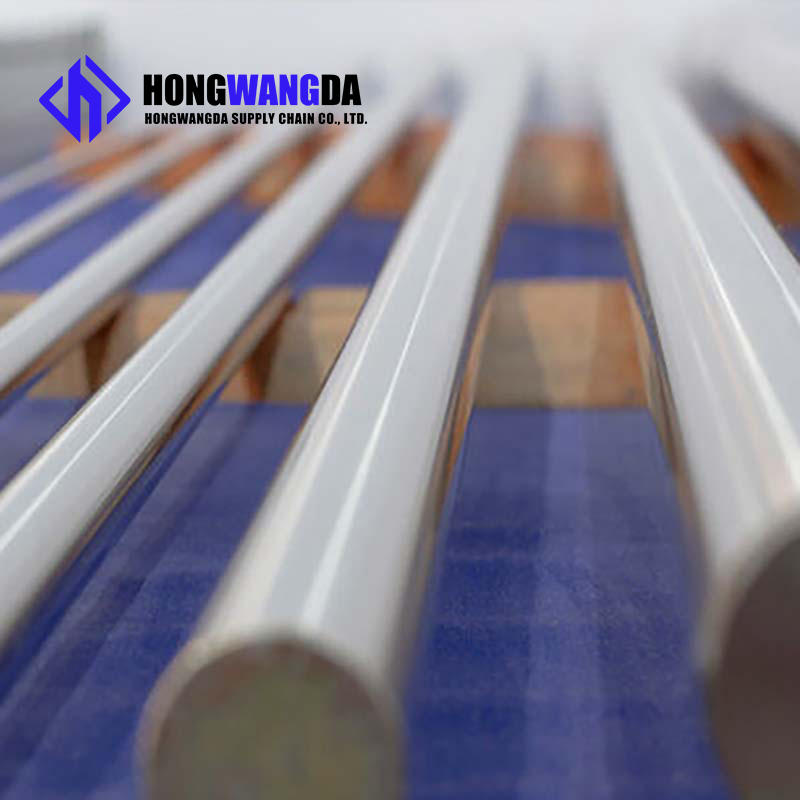
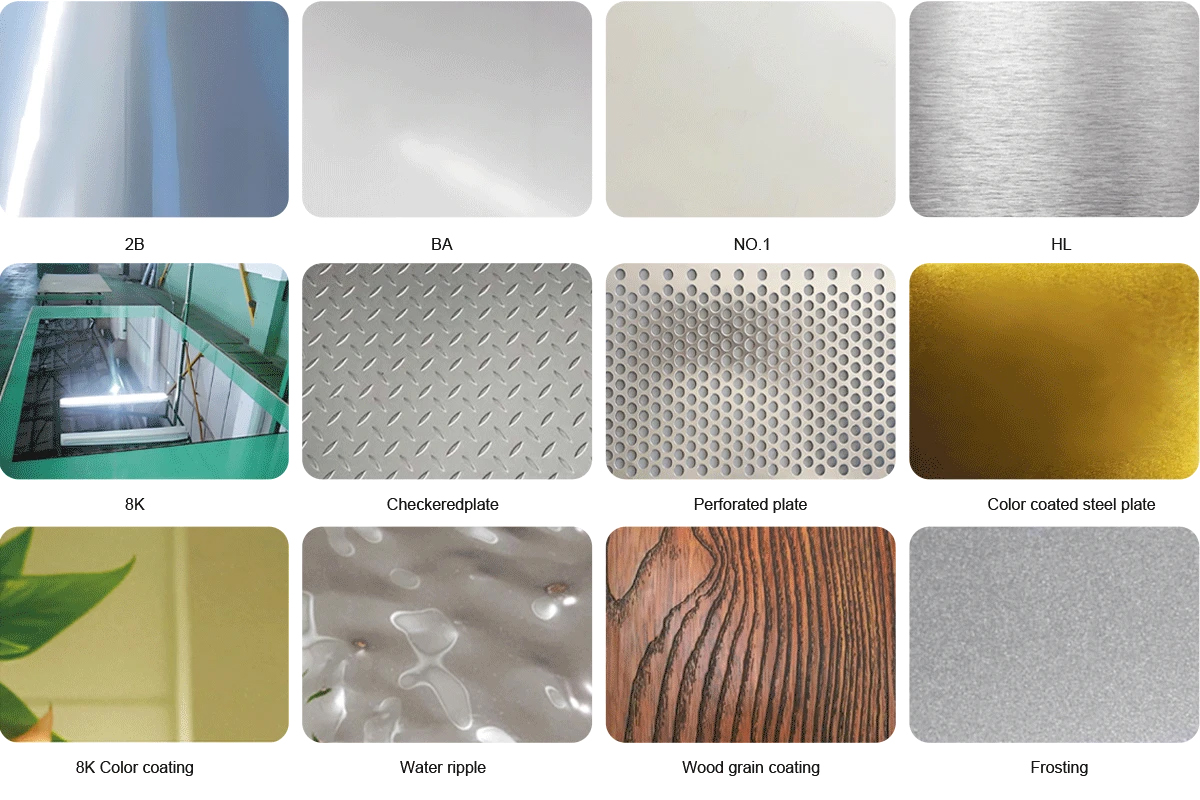
Surface Finishes Available
Hot rolled and pickled
Cold drawn (bright)
Centerless ground
Turned and polished
Rough turned (for large diameters)
Applications
Hastelloy alloy bars serve as the raw material for countless machined components and fabricated assemblies across industries where corrosion resistance and high-temperature performance are paramount:
Chemical Processing Industry
Valve Components: Stems, seats, balls, and bodies for valves handling corrosive chemicals at various temperatures and pressures
Pump Shafts and Impellers: Rotating components in pumps transferring acids, chlorides, and aggressive process fluids
Fittings and Fasteners: Pipe fittings, flanges, bolts, and nuts for corrosive service piping systems
Reactor Internals: Agitator shafts, baffles, and support grids in chemical reactors
Heat Exchanger Components: Tube sheets, baffles, and tie rods
Oil and Gas Industry
Downhole Tools: Components for sour gas service requiring NACE MR0175/ISO 15156 compliance
Wellhead Equipment: Valves, hangers, and completion hardware
Subsea Components: Fasteners and fittings for seawater-exposed equipment
Aerospace and Power Generation
Gas Turbine Components: Combustor hardware, transition ducts, spray bars, and flame holders machined from Hastelloy X bar stock
Afterburner Parts: Tailpipes, flame holders, and nozzle components
Engine Fasteners: High-temperature bolts and studs
Cabin Heaters: Aircraft heating system components
Pollution Control
Flue Gas Desulfurization (FGD) Systems: Absorption tower components, re-heater parts, fan shafts and hardware
Scrubber Internals: Spray nozzles, support grids, and fasteners
Industrial Heating and Heat Treating
Furnace Components: Rollers, baffles, muffles, and trays
Heat-Treating Fixtures: Baskets, grids, and support structures
Catalyst Support Grids: In petrochemical reactors
Marine Engineering
Seawater Pump Shafts: For offshore platforms and desalination plants
Propeller Shafting: In specialized marine applications
Subsea Fasteners: For critical underwater assemblies
Pharmaceutical and Food Processing
Reactor Components: Where product purity requires corrosion-resistant materials
Processing Equipment: Shafts and mixing components for aggressive cleaning cycles
Comparison: Grade Selection Guide
Buying Guide
Selecting the appropriate Hastelloy alloy bar requires careful evaluation of service conditions, mechanical requirements, and fabrication considerations:
Define Service Environment:
Corrosive Media: Identify specific chemicals, concentrations, and whether oxidizing or reducing conditions prevail
Mixed acids/chlorides: C-276 or C-22
Hydrochloric acid: B-3
High-temperature oxidizing: X
Temperature Range: Maximum operating temperature and thermal cycling conditions
Mechanical Loading: Static, cyclic, or impact loading; rotating applications require fatigue resistance
Select Alloy Grade:
C-276: Most versatile, suitable for broad range of corrosive media
C-22: Enhanced performance in oxidizing environments
B-3: Optimized for reducing acids, especially HCl
X: High-temperature strength and oxidation resistance
Determine Bar Form and Dimensions:
Round Bar: For shafts, valves, general machining
Flat Bar: For structural supports, flanges, custom fabrications
Hex/Square Bar: For fasteners, fittings, tool stock
Specify diameter/size, length, and tolerance requirements
Specify Condition and Finish:
Annealed: Softest, most machinable, suitable for extensive machining
Cold drawn: Tighter tolerances, improved surface finish, higher strength
Centerless ground: Precision surface for critical applications
As-forged: For large sections intended for further processing
Verify Specifications and Standards:
Confirm applicable ASTM/ASME standards:
C-276/C-22: ASTM B574
B-3: ASTM B335
X: ASTM B572, AMS 5754
For pressure applications, ensure ASME code compliance
For sour service, verify NACE MR0175/ISO 15156 compliance
Request Documentation:
Mill Test Certificates (MTC) per EN 10204 3.1/3.2 with:
Heat number and full chemical composition
Complete mechanical property test results
Heat treatment records
Third-party inspection reports for critical applications
Positive Material Identification (PMI) certification if required
FAQ
Q1: What is the difference between Hastelloy C-276 bar and plate?
A: Chemically and metallurgically, C-276 bar and plate are identical—both conform to the same UNS N10276 composition and offer the same corrosion resistance. The difference lies in product form and manufacturing process. Bars are produced through hot rolling, forging, or cold drawing to achieve specific shapes (round, square, hex) suitable for machining into components like shafts, valves, and fasteners. Plates are flat-rolled products for vessels, linings, and structural fabrications. Both forms are available with full material certification and traceability .
Q2: Can Hastelloy bars be welded, and what filler metal is recommended?
A: Yes, most Hastelloy grades exhibit excellent weldability. For C-276 and C-22 bars, matching filler metals (ERNiCrMo-4 for C-276, ERNiCrMo-10 for C-22) are recommended to maintain corrosion resistance in the weld zone. For B-3 bars, use matching B-3 filler metal. For X bars, matching X filler or ERNiCrMo-2 is appropriate. Proper welding practices include clean surfaces, adequate inert gas shielding, controlled heat input, and interpass temperature control. Post-weld heat treatment is typically not required for corrosion service .
Q3: What is the maximum service temperature for Hastelloy X bars?
A: Hastelloy X is specifically designed for high-temperature service and maintains useful strength and oxidation resistance up to 1200°C (2200°F) for short-term exposure. For continuous service, it performs well up to 1095°C (2000°F). It exhibits excellent resistance to oxidizing, reducing, and neutral atmospheres at elevated temperatures, making it ideal for gas turbine components and industrial furnace applications .
Q4: How does Hastelloy B-3 differ from B-2 in bar form?
A: B-3 is an improved version of B-2 with enhanced thermal stability. Both alloys offer excellent resistance to hydrochloric acid and other reducing media. However, B-3 has better metallurgical stability during fabrication and service, reducing the risk of intergranular corrosion and embrittlement that can occur with B-2 in certain temperature ranges. B-3 also exhibits improved weldability and is less sensitive to thermal cycles during processing .
Q5: Are Hastelloy bars magnetic?
A: Most Hastelloy grades (C-276, C-22, B-3, X) are essentially non-magnetic in the annealed condition due to their austenitic structure. Magnetic permeability is typically very low (around 1.01). Cold working may induce slight magnetic response in some grades, but they generally remain suitable for applications requiring non-magnetic materials .
Delivery, Certification & Service
Quality Certification
Material Traceability: Complete heat traceability from melt to finished bar with unique identification markings per applicable standards
Mill Test Certificates (MTC) : EN 10204 3.1/3.2 compliant certificates provided with every shipment including:
Heat number and full chemical composition analysis per applicable specifications
Complete mechanical property test results (tensile, yield, elongation)
Hardness testing where applicable
Heat treatment records
Ultrasonic inspection reports when specified
Third-Party Inspection: Available through Lloyds, DNV, Bureau Veritas, ABS, SGS, or customer-nominated agencies
Special Testing Available:
Positive Material Identification (PMI)
Ultrasonic inspection (Flaw detection)
Mechanical testing at elevated or cryogenic temperatures
Microstructural evaluation
NACE MR0175/ISO 15156 compliance verification for sour service
Available Bar Forms and Dimensions
Surface Finishes Available
Hot Rolled Annealed and Pickled (HRAP) : Standard for hot rolled bars, oxide-free surface
Cold Drawn (Bright) : Improved dimensional tolerances, smooth finish
Centerless Ground: Precision diameter control, excellent surface finish
Turned and Polished: For large diameter bars requiring smooth surface
Rough Turned: For large forging stock, removes surface imperfections
Packaging and Protection
Bundling: Steel-strapped bundles with protective spacers for straight lengths
Wooden Crates: For high-value or precision-ground bars
Individual Wrapping: Protective paper or plastic for polished/ground surfaces
VCI Protection: Vapor Corrosion Inhibitor materials for long-term storage or marine shipment
End Protection: Plastic caps for precision bars to prevent end damage
Custom Marking: Stenciling, tagging, or stamping per customer specifications
After-Sales Technical Support
Material Selection Assistance: Expert guidance on grade selection for specific applications
Machining Recommendations: Technical guidance on speeds, feeds, and tooling for optimal machinability
Welding Support: Procedure recommendations and parameter optimization
Heat Treatment Guidance: For solution annealing or stress relieving requirements
Failure Analysis: Investigation and analysis of in-service material performance issues
Field Service: On-site technical support for critical applications
Delivery Commitment
Stock Items: 1-2 weeks for standard sizes and common grades (C-276, X)
Mill Orders: 8-12 weeks for non-standard dimensions, specialty grades (B-3), or special certification requirements
Express Service: 3-7 working days for expedited stock items
Just-in-Time (JIT) Delivery: Coordinated delivery schedules to support lean manufacturing
Quality Assurance
All Hastelloy alloy bars are manufactured in accordance with strict quality management systems, certified to ISO 9001:2015 and applicable industry standards. Production facilities maintain:
Advanced Melting Capabilities: Precise control of alloy chemistry and impurity levels
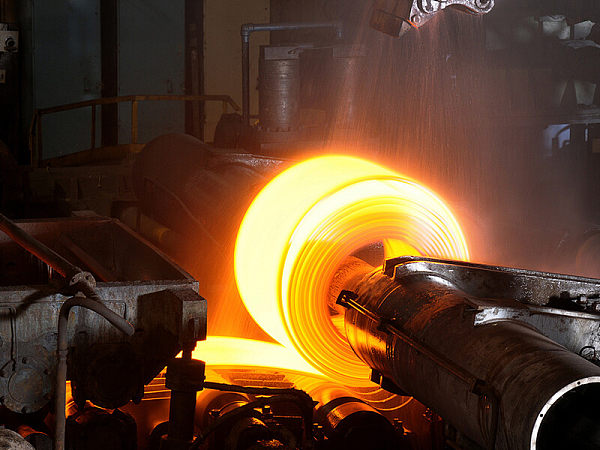
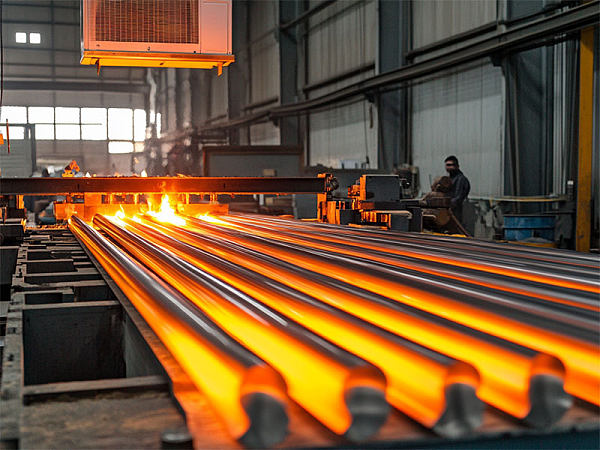
Thermomechanical Processing: Optimized hot working and heat treatment cycles
Precision Finishing: State-of-the-art cold drawing, grinding, and turning equipment
Comprehensive Testing: In-house laboratories with full mechanical, chemical, and non-destructive testing capabilities
Industry-Specific Certifications Available
Aerospace: AS9100, AMS specifications (AMS 5754 for X)
Pressure Equipment: PED (Pressure Equipment Directive), ASME Code
Oil & Gas: NACE MR0175/ISO 15156 compliance
Nuclear: NQA-1, 10CFR50 Appendix B
◉ Surfcae selection
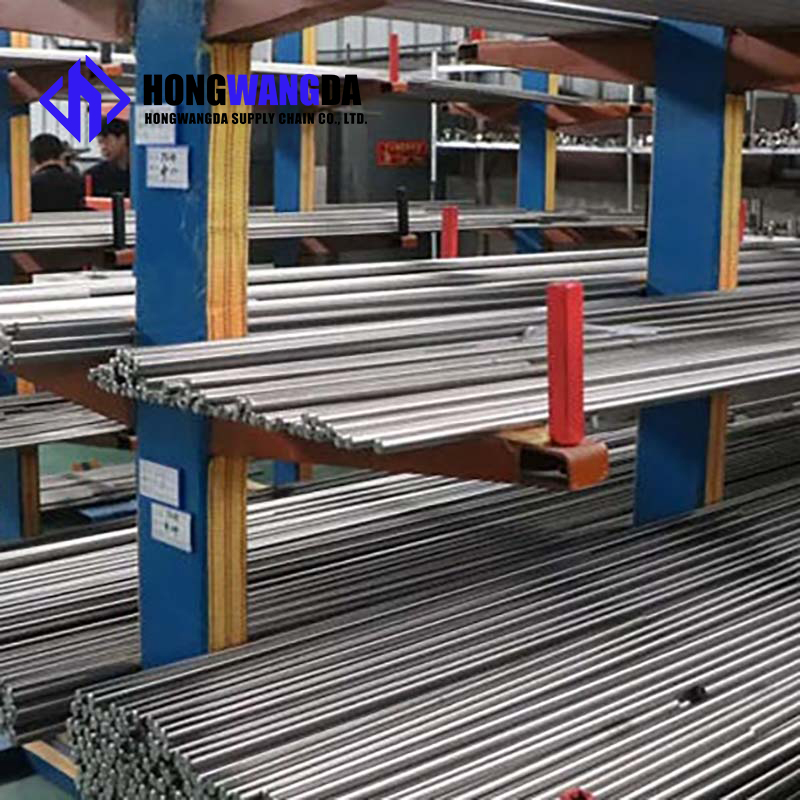
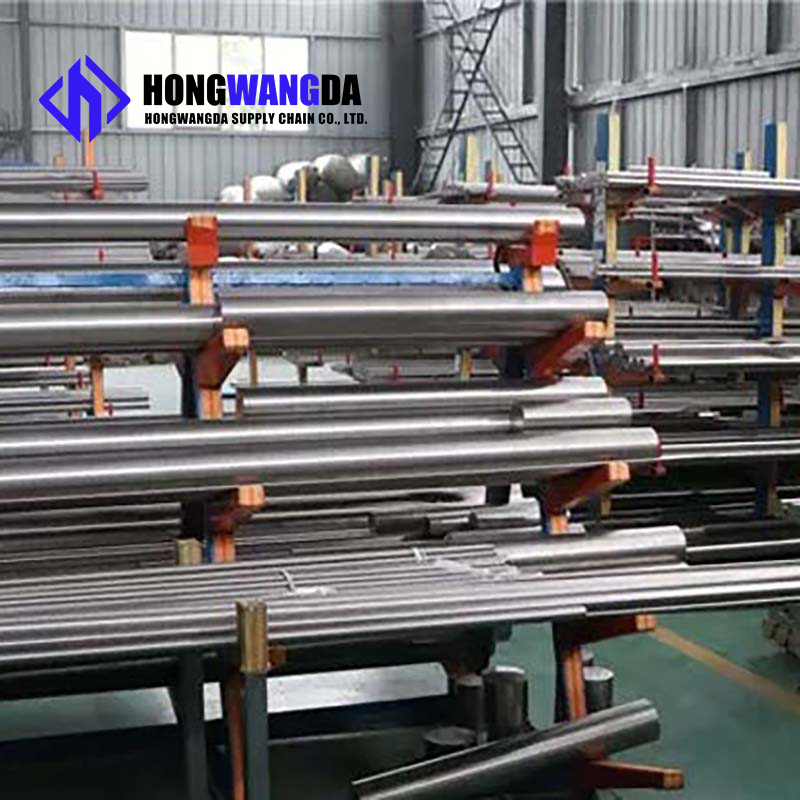
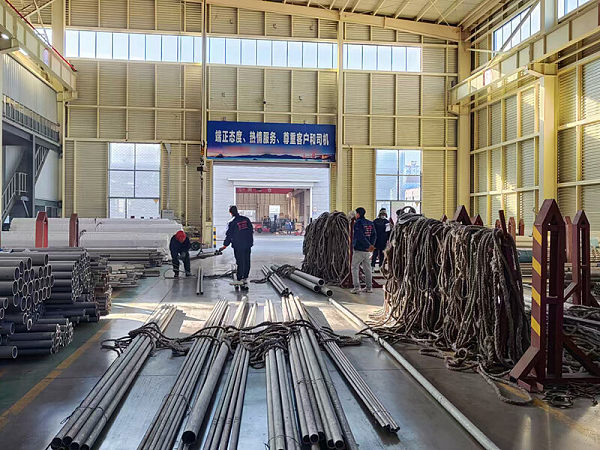
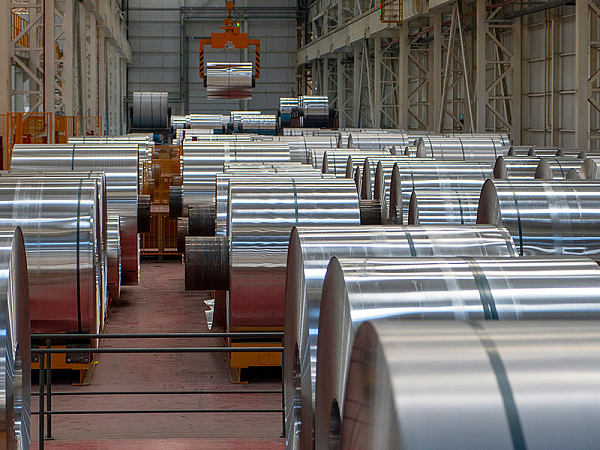
◉ PRODUCTION AND WAREHOUSING
◉ MESSAGE
◉ SIMILAR RECOMMENDED
 Inconel alloy pipe
 Nickel alloy pipe
 Titanium alloy tube
 Monel alloy pipe
 Incoloy alloy pipe
 Hastelloy alloy pipe
 Incoloy alloy bar
 Inconel alloy bar
 Monel alloy bar
 Titanium alloy bar
 Nickel alloy bar
 Hastelloy alloy bar
 Lead ingot
 Inconel alloy plate
 Monel alloy plate
 Titanium alloy plate
 Nickel alloy plate
 Incoloy alloy plate
 Hastelloy alloy plate
 Np550 Wear Resistant Sheet Hot Rolled Steel Plate
 Stainless Steel Channels | Structural Profiles