‹
›
‹
›
◉ PRODUCT SPECIFICATION
Overview
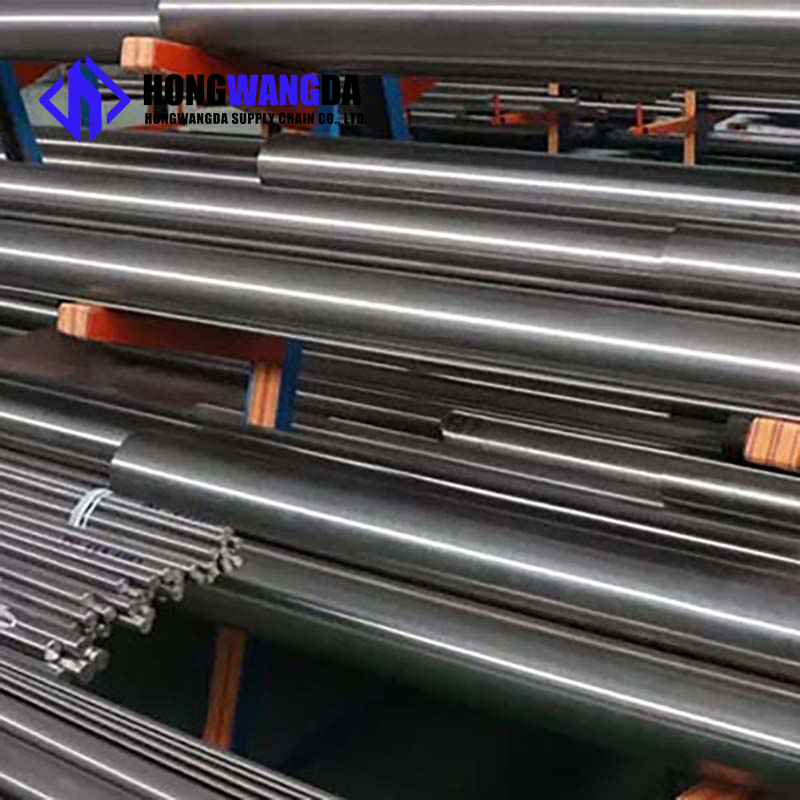
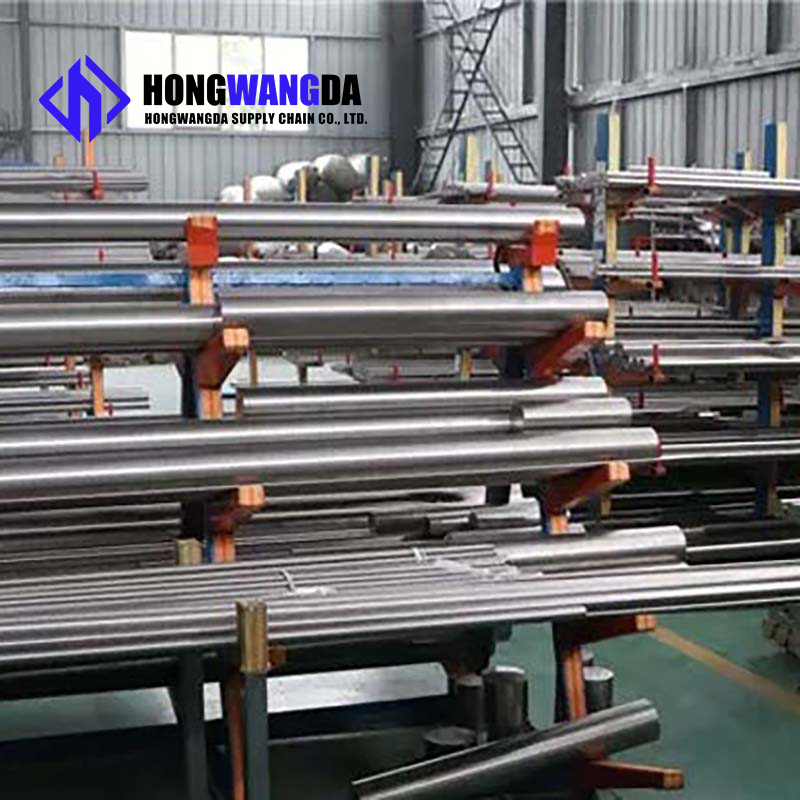
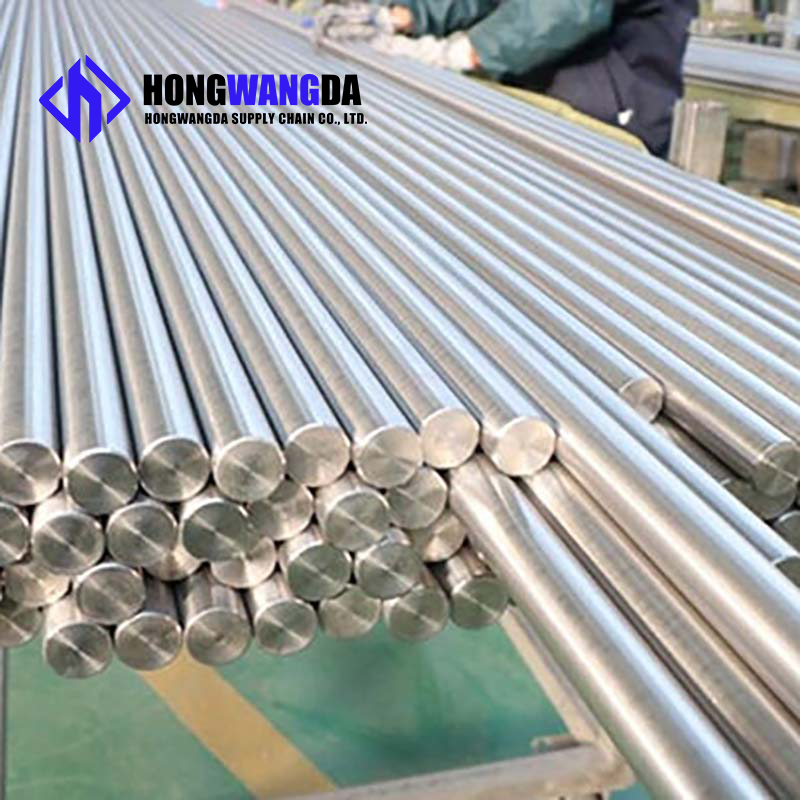
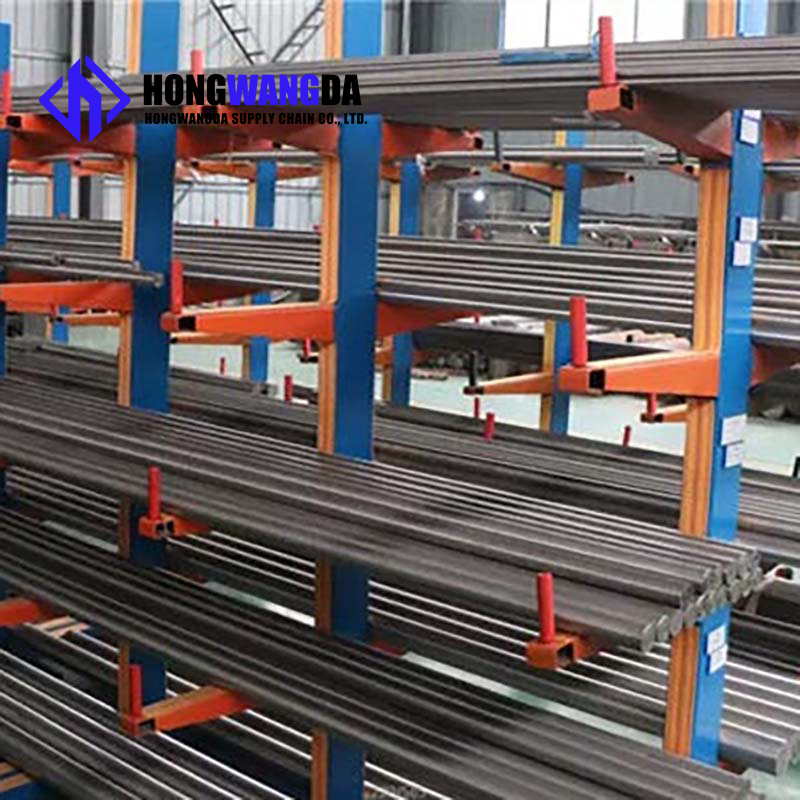
Inconel alloy bars are solid, long metal products manufactured from a family of austenitic nickel-chromium-based superalloys, representing one of the most advanced material solutions for extreme environments. These bars are produced through hot rolling, forging, extrusion, or cold drawing processes, resulting in round, square, flat, or hexagonal cross-sections that serve as the foundation for countless high-performance components across aerospace, chemical processing, oil and gas, power generation, and marine industries .
Inconel alloys are characterized by their high nickel content combined with significant chromium additions, typically ranging from 14-23% chromium depending on the specific grade . This composition creates a stable, protective chromium oxide layer that provides outstanding resistance to oxidation, carburization, and corrosion in aggressive environments. Many grades also incorporate molybdenum, niobium, titanium, and aluminum to enhance specific properties such as high-temperature creep resistance, precipitation hardenability, and resistance to localized corrosion.
Inconel alloy bars transform the remarkable properties of nickel-chromium superalloys—exceptional high-temperature strength, outstanding corrosion resistance, excellent fatigue resistance, and good fabricability—into versatile engineering stock for manufacturing shafts, fasteners, valve components, pump parts, and precision-machined components that must perform reliably under extreme thermal and mechanical stress.
Available in a comprehensive range of grades—from the general-purpose Inconel 600 for moderate service, through the workhorse Inconel 625 for exceptional corrosion resistance, to the precipitation-hardenable Inconel 718 for maximum strength—Inconel alloy bars provide engineers with proven solutions for the most demanding applications where failure is not an option.
Key Features
Exceptional High-Temperature Strength: Inconel alloys are engineered to maintain mechanical properties at elevated temperatures where other materials creep and fail. Age-hardenable grades like Inconel 718 achieve tensile strengths exceeding 180 ksi (1240 MPa) through precipitation strengthening, with useful properties maintained up to 705°C (1300°F) . Solid-solution strengthened grades like 625 provide reliable service from cryogenic temperatures to 980°C (1800°F) .
Superior Oxidation and Corrosion Resistance: The high chromium content (typically 14-23%) forms a tenacious, self-healing oxide layer that protects against oxidation, sulfidation, and carburization at high temperatures . Molybdenum additions in grades like 625 provide exceptional resistance to pitting, crevice corrosion, and stress corrosion cracking in aggressive aqueous environments, including seawater and acidic media. The high nickel content also provides excellent resistance to chloride-ion stress-corrosion cracking .
Multiple Strengthening Mechanisms Available: Inconel alloy bars are available with different strengthening approaches to match application needs:
Solid-solution strengthened (600, 601, 625): Good fabricability, weldable without post-weld heat treatment, moderate-to-high strength
Precipitation-hardenable (718, X-750): Maximum strength through aging heat treatment, with 718 achieving 150 ksi minimum yield in age-hardened condition
Excellent Fatigue Resistance: The alloys demonstrate superior resistance to cyclic loading under both high-temperature and cryogenic conditions, making them ideal for safety-critical components in rotating machinery, pressure vessels, and aerospace structures .
Good Fabricability with Proper Techniques: Despite their high strength, Inconel alloys can be successfully machined, welded, and formed using appropriate methods. Grades like 718 are designed to be welded in the fully aged condition without post-weld cracking , while 625 offers excellent weldability with matching filler metals .
Cryogenic Toughness: Unlike many materials that become brittle at low temperatures, Inconel alloys retain excellent ductility and toughness down to -253°C (-423°F), making them suitable for cryogenic storage tanks, LNG equipment, and space applications .
Resistance to Chloride Stress Corrosion Cracking: The high nickel content provides immunity to chloride-induced stress corrosion cracking, a common failure mechanism for austenitic stainless steels in marine and chemical processing environments .
Wide Range of Available Forms: Inconel alloy bars are offered in multiple shapes to suit diverse applications:
Round bars: The most common form for shafts, valves, fasteners, and general machining (2mm to 350mm diameter)
Flat bars: Ideal for structural supports, flanges, and custom fabrications
Square and hexagonal bars: Preferred for fasteners, fittings, and tool stock
Forging stock: Larger sections intended for subsequent hot working into complex shapes
Hollow/bored bars: Available with bespoke internal diameters for weight reduction or fluid handling
Specifications with Explanation
Inconel Alloy Bar Chemical Composition by Grade (Typical values, wt%)
Typical Mechanical Properties
Physical Properties
Applicable Bar Standards
Available Bar Dimensions and Forms
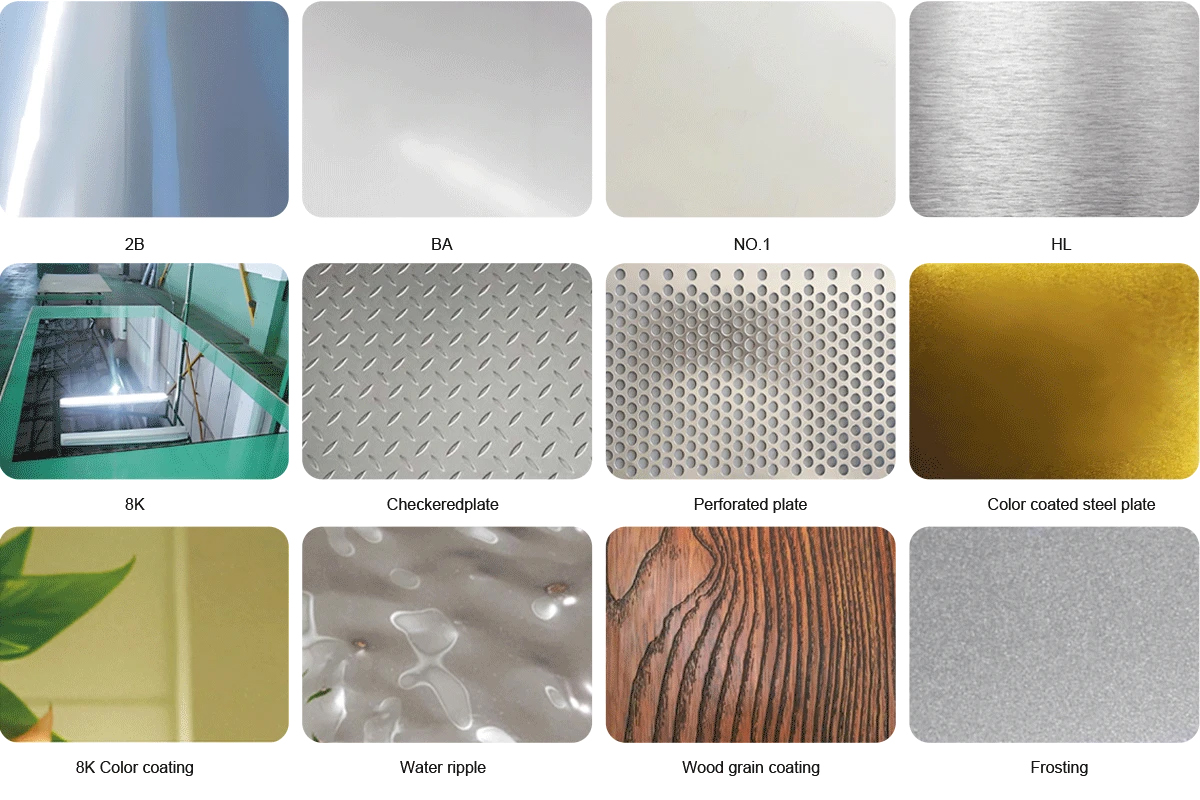
Surface Finishes Available
Hot rolled and pickled
Cold drawn (bright)
Centerless ground
Turned and polished
Ground finish
Solution treated finish
Black / as-rolled (for forging stock)
Applications
Inconel alloy bars serve as the essential raw material for countless precision components across industries where extreme temperature, corrosion resistance, and mechanical strength are paramount:
Aerospace Industry
Gas Turbine Components: Disks, shafts, casings, combustion chambers, and fasteners operating at extreme temperatures
Jet Engine Parts: Compressor blades, turbine disks, afterburners, fuel nozzles, spray bars, and thrust reverser assemblies
Rocket Motors and Thrust Reversers: Components requiring high strength-to-weight ratio and thermal stability
Airframe Assemblies: Structural components and fasteners for aircraft
Rings, Casings, and Sheet Metal Parts: For liquid fueled rockets
Oil and Gas Industry
Downhole Tools: Packers, safety valves, pumps, hangers, connectors, and fasteners for sour gas service
Wellhead Equipment: Components requiring NACE MR0175/ISO 15156 compliance
Subsea Components: Connectors and couplings for seawater-exposed equipment
High-Pressure High-Temperature (HPHT) Wells: Components for extreme downhole conditions
Chemical Processing Industry
Valve Components: Stems, seats, balls, and bodies for valves handling corrosive chemicals
Pump Shafts and Impellers: Rotating components in pumps transferring aggressive process fluids
Heat Exchanger Components: Tube sheets, baffles, and tie rods for corrosive service
Reactor Internals: Agitator shafts and support grids
Power Generation
Gas Turbine Components: High-temperature parts for industrial gas turbines
Nuclear Reactors: Fuel element spacers and control rod mechanisms
Heat Exchangers: Components for power generation facilities
Marine Engineering
Submarine Propulsion Motors: Components for naval applications
Subsea Cable Connectors: For underwater electrical systems
Seawater Handling Systems: Components requiring corrosion resistance
Industrial Applications
Hot Extrusion Tooling: For metal forming at elevated temperatures
Pump Bodies and Parts: For industrial pumping applications
High-Strength Bolting: For critical bolting applications
Cryogenic Storage: Tanks and components for storage of liquefied gases
Pollution Control
Flue Gas Desulfurization (FGD) Systems: Components requiring resistance to sulfuric acid condensate
Waste Incineration Equipment: Parts exposed to high-temperature corrosive flue gases
Comparison: Grade Selection Guide
Buying Guide
Selecting the appropriate Inconel alloy bar requires careful evaluation of service conditions, mechanical requirements, and fabrication considerations:
Define Service Environment:
Temperature Range: Maximum operating temperature and thermal cycling conditions
Up to 540°C (1000°F): 600, 625
Up to 705°C (1300°F): 718
Up to 815°C (1500°F): X-750
Up to 980°C (1800°F): 601, 625
Up to 1095°C (2000°F): 188
Corrosive Media: Identify specific chemicals, concentrations, and whether oxidizing or reducing conditions prevail
Seawater/chlorides: 625
Sour gas (H₂S): 718 API
High-temperature oxidation: 601
Mechanical Loading: Static, cyclic, or impact loading; rotating applications require fatigue resistance
Select Strengthening Mechanism:
Solid-solution strengthened (600, 601, 625): Good fabricability, weldable without post-weld heat treatment, moderate-to-high strength
Precipitation-hardenable (718, X-750): Maximum strength through aging heat treatment
Determine Bar Form and Dimensions:
Round Bar: For shafts, valves, general machining (2-600mm diameter)
Flat Bar: For structural supports, flanges, custom fabrications
Hex/Square Bar: For fasteners, fittings, tool stock
Bored/Hollow Bar: For components requiring through-holes—reduces machining costs
Specify diameter/size, length, and tolerance requirements
Specify Condition and Finish:
Annealed/Solution Treated: Softest, most machinable, suitable for extensive machining
Solution Annealed + Aged: Precipitation-hardened condition for maximum strength
Cold drawn: Tighter tolerances, improved surface finish
Centerless ground: Precision surface for critical applications
Ground finish: For high-precision requirements
Verify Specifications and Standards:
Confirm applicable ASTM/ASME standards:
Inconel 600: ASTM B166
Inconel 625: ASTM B446
Inconel 718: ASTM B637
For aerospace applications, verify AMS specifications:
718: AMS 5662 (annealed), AMS 5663/5664 (aged)
For oil & gas sour service, verify NACE MR0175/ISO 15156 and API 6ACRA compliance
Consider Fabrication Requirements:
Machining: Inconel alloys work-harden rapidly; expect speeds of 20-40 ft/min for HSS tools
Welding: Many grades (625, 718) offer excellent weldability; 718 can be welded in fully aged condition
Forming: Can be hot or cold formed using appropriate methods
Request Documentation:
Mill Test Certificates (MTC) per EN 10204 3.1/3.2 with:
Heat number and full chemical composition
Complete mechanical property test results
Heat treatment records
Third-party inspection reports for critical applications
FAQ
Q1: What is the difference between Inconel 625 and Inconel 718 bars?
A: The primary difference lies in strengthening mechanism and resultant properties. Inconel 625 is solid-solution strengthened with molybdenum and niobium, offering exceptional corrosion resistance and good strength without heat treatment, suitable for service from cryogenic to 980°C . Inconel 718 is precipitation-hardenable, containing aluminum, titanium, and niobium that form strengthening precipitates during aging heat treatment. This allows 718 to achieve significantly higher strength—yield strength up to 1030 MPa versus 345-550 MPa for annealed 625—but with somewhat lower corrosion resistance. 718 maintains useful properties to 705°C .
Q2: Can Inconel 718 bars be welded, and does welding affect strength?
A: Yes, Inconel 718 exhibits excellent weldability and is unique among age-hardenable alloys in that it can be welded in the fully aged condition without post-weld cracking . This is due to its relatively slow aging response, which prevents strain-age cracking during welding. For maximum strength, welded assemblies typically undergo post-weld solution treatment and aging, though many applications successfully use material welded in the aged condition with appropriate procedures.
Q3: What does "age-hardenable" mean for Inconel bars?
A: Age-hardenable (or precipitation-hardenable) Inconel alloys contain elements like aluminum, titanium, and niobium that form fine, uniformly distributed precipitates during controlled heat treatment. In Inconel 718, these precipitates are primarily gamma double-prime (γ") and gamma prime (γ') phases. The material is typically supplied in solution-annealed condition (soft, machinable), then aged by the fabricator at temperatures around 1100-1500°F (750-850°C) to precipitate these phases, dramatically increasing strength and hardness .
Q4: Are Inconel alloy bars magnetic?
A: Most Inconel alloys are essentially non-magnetic in the annealed condition due to their austenitic structure. Inconel 600 has a Curie temperature of approximately -124°C, meaning it becomes slightly magnetic only at cryogenic temperatures below this point. Inconel 625 and 718 remain non-magnetic across their service temperature range. Cold working may induce some magnetic response in certain grades. For applications requiring strictly non-magnetic materials (electronic housings, medical equipment), Inconel alloys are excellent choices.
Q5: What is the maximum service temperature for Inconel 718 bars?
A: Inconel 718 maintains useful mechanical properties for continuous service up to approximately 705°C (1300°F) . For short-term exposure, it can withstand temperatures up to 980°C (1800°F) with good oxidation resistance . Above 705°C, the strengthening precipitates begin to overage and coarsen, gradually reducing strength. For applications requiring higher temperature capability, consider Inconel 625 (continuous to 980°C) or 601 (oxidation resistance to 2200°F) .
Delivery, Certification & Service
Quality Certification
Material Traceability: Complete heat traceability from melt to finished bar with unique identification markings per applicable standards
Mill Test Certificates (MTC) : EN 10204 3.1/3.2 compliant certificates provided with every shipment including:
Heat number and full chemical composition analysis per applicable specifications
Complete mechanical property test results (tensile, yield, elongation)
Hardness testing where applicable
Heat treatment records (solution annealing temperatures, aging cycles)
Ultrasonic inspection reports when specified
Third-Party Inspection: Available through Lloyds, DNV, Bureau Veritas, ABS, SGS, or customer-nominated agencies
Special Testing Available:
Positive Material Identification (PMI)
Ultrasonic inspection (Flaw detection)
Mechanical testing at elevated or cryogenic temperatures
Microstructural evaluation (grain size, precipitate distribution)
NACE MR0175/ISO 15156 compliance verification for sour service
Available Bar Forms and Dimensions
Surface Finishes Available
Hot Rolled Pickled: Standard industrial finish
Cold Drawn (Bright) : Improved dimensional tolerances, smooth finish
Centerless Ground: Precision diameter control, excellent surface finish
Turned and Polished: For large diameter bars requiring smooth surface
Ground Finish: For high-precision applications
Solution Treated Finish: For material in heat-treated condition
Black / As-Rolled: For forging stock or further processing
Packaging and Protection
Bundling: Steel-strapped bundles with protective spacers for straight lengths
Wooden Crates: Export-grade wooden boxes for high-value bars
Individual Wrapping: Protective paper or plastic for polished/ground surfaces
VCI Protection: Vapor Corrosion Inhibitor materials for long-term storage or marine shipment
End Protection: Plastic caps for precision bars to prevent end damage
Custom Marking: Stenciling, tagging, or stamping per customer specifications
After-Sales Technical Support
Material Selection Assistance: Expert guidance on grade selection for specific applications based on service conditions
Machining Recommendations: Technical guidance on speeds, feeds, and tooling for optimal machinability
Welding Support: Procedure recommendations and parameter optimization
Heat Treatment Guidance: For solution annealing, aging, or stress relieving requirements
Failure Analysis: Investigation and analysis of in-service material performance issues
Field Service: On-site technical support for critical applications
Delivery Commitment
Stock Items: 1-2 weeks for standard sizes and common grades (600, 625, 718)
Mill Orders: 8-12 weeks for non-standard dimensions, specialty grades, or special certification requirements
Express Service: Expedited processing available for urgent requirements
Just-in-Time (JIT) Delivery: Coordinated delivery schedules to support lean manufacturing
Global Logistics: International shipping with full export documentation, customs clearance support
Quality Assurance
All Inconel alloy bars are manufactured in accordance with strict quality management systems, certified to ISO 9001:2015 and applicable industry standards. Production facilities maintain:
Advanced Melting Capabilities: VIM (Vacuum Induction Melting), VAR (Vacuum Arc Remelting), and ESR (Electroslag Remelting) for optimal purity
Thermomechanical Processing: Optimized hot working (rolling/forging) and heat treatment cycles
Precision Finishing: State-of-the-art cold drawing, grinding, and turning equipment
Comprehensive Testing: In-house laboratories with full mechanical, chemical, and non-destructive testing capabilities
Sustainability: Production using recycled materials and energy-efficient processes where available
Industry-Specific Certifications Available
Aerospace: AS9100, Nadcap, AMS specifications (AMS 5662, AMS 5663, AMS 5664)
Pressure Equipment: PED (Pressure Equipment Directive), ASME Code (SB-166, SB-446, SB-637)
Oil & Gas: NACE MR0175/ISO 15156 compliance, API 6ACRA
Defense: ITAR compliance, MIL-SPEC certifications
Nuclear: NQA-1, 10CFR50 Appendix B, ASME Section III
◉ Surfcae selection
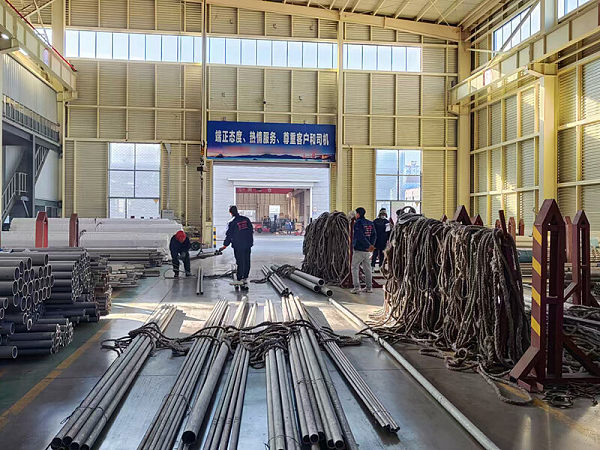
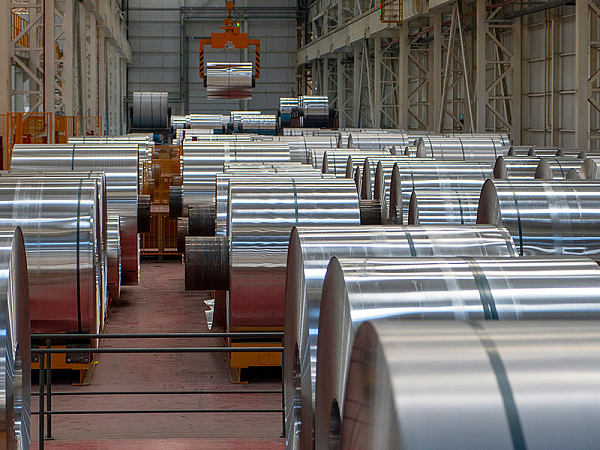
◉ PRODUCTION AND WAREHOUSING
◉ MESSAGE
◉ SIMILAR RECOMMENDED
 Inconel alloy pipe
 Nickel alloy pipe
 Titanium alloy tube
 Monel alloy pipe
 Incoloy alloy pipe
 Hastelloy alloy pipe
 Incoloy alloy bar
 Inconel alloy bar
 Monel alloy bar
 Titanium alloy bar
 Nickel alloy bar
 Hastelloy alloy bar
 Lead ingot
 Inconel alloy plate
 Monel alloy plate
 Titanium alloy plate
 Nickel alloy plate
 Incoloy alloy plate
 Hastelloy alloy plate
 Np550 Wear Resistant Sheet Hot Rolled Steel Plate
 Stainless Steel Channels | Structural Profiles