‹
›
‹
›
◉ PRODUCT SPECIFICATION
Overview
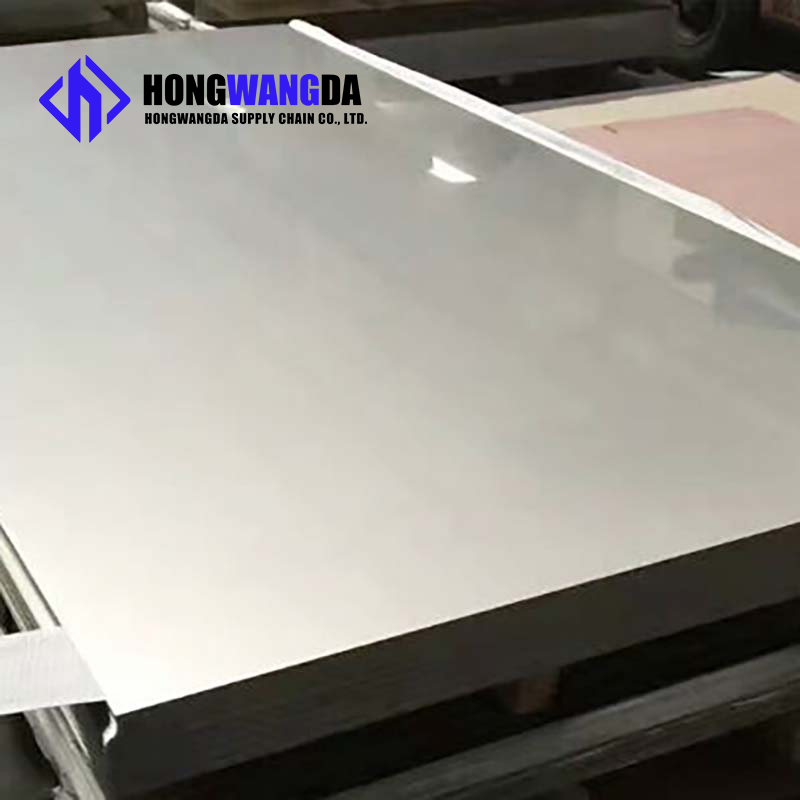
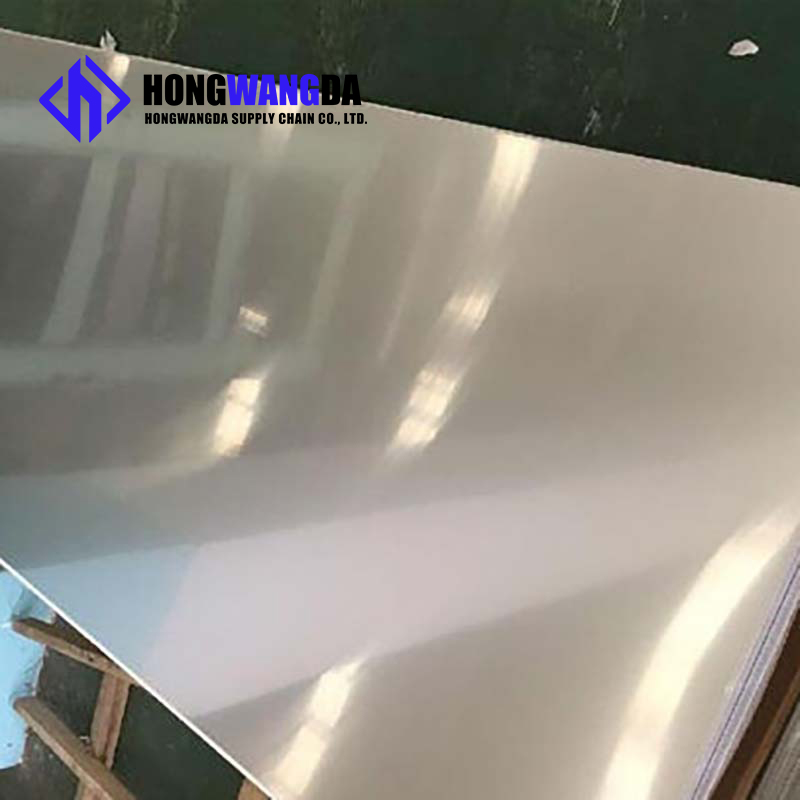
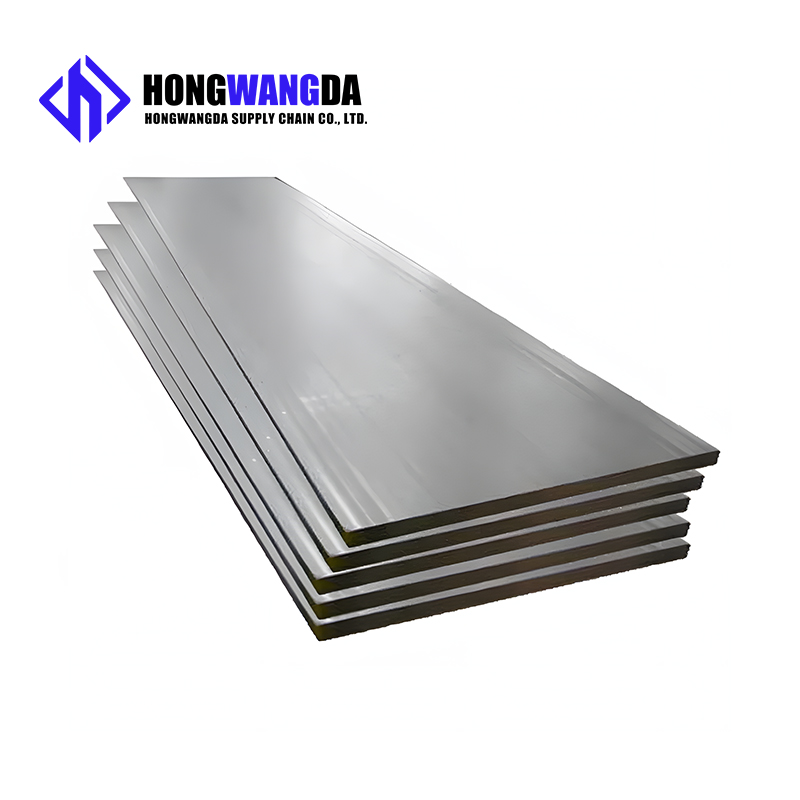
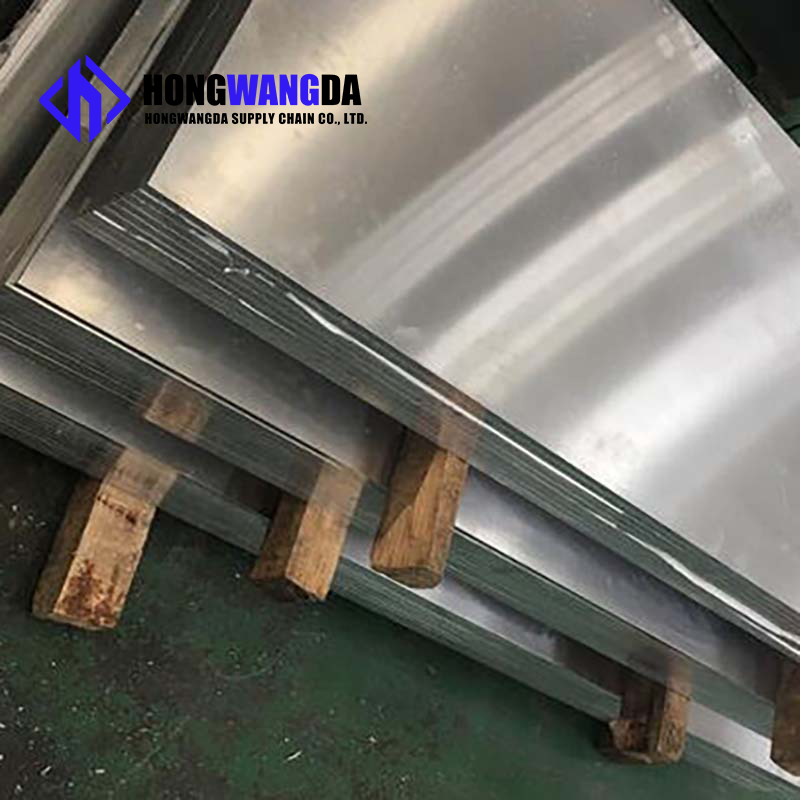
Titanium alloy plates are flat-rolled products manufactured from titanium-based alloys, combining the exceptional properties of titanium with enhanced mechanical characteristics through alloying elements. Titanium possesses two allotropic crystal structures: hexagonal close-packed (α phase) below 882°C and body-centered cubic (β phase) above 882°C . This allotropic behavior forms the foundation for the three primary classifications of titanium alloys: α alloys, β alloys, and α+β dual-phase alloys .
Titanium alloys are renowned for their exceptional strength-to-weight ratio—approximately 30% stronger than steel yet nearly 50% lighter, and 60% heavier than aluminum but twice as strong . When exposed to the atmosphere, titanium forms a tight, tenacious oxide film (primarily TiO₂) that resists many corrosive materials, particularly salt water . This self-repairing passive layer provides outstanding corrosion resistance in seawater, chlorine-rich atmospheres, and various acidic environments .
With a high melting point of approximately 1,668°C (3,034°F) and excellent strength retention up to 540°C (1,000°F) , titanium alloy plates maintain structural integrity under extreme thermal conditions. These remarkable properties make titanium alloys indispensable in aerospace, marine engineering, chemical processing, medical implants, and high-performance industrial applications where reliability, longevity, and weight savings are critical .
Key Features
Exceptional Strength-to-Weight Ratio: Titanium alloys offer tensile strength comparable to many steels at approximately 45% less weight . This unique combination enables lightweight structural designs without compromising mechanical integrity, making titanium the material of choice for weight-sensitive applications in aerospace, automotive, and high-performance sports equipment .
Superior Corrosion Resistance: Titanium exhibits outstanding resistance to a wide range of corrosive environments, including seawater, chlorine-rich atmospheres, and various acids such as hydrochloric and sulfuric acid . This resilience stems from its ability to form a stable, self-repairing oxide layer on the surface when exposed to oxygen, preventing further oxidation and chemical degradation even under prolonged exposure .
Excellent High-Temperature Performance: Titanium maintains its mechanical properties at elevated temperatures, with continuous service capabilities up to approximately 600°C (1,112°F), depending on the alloy grade . Its high melting point (1,668°C) and low thermal expansion coefficient contribute to dimensional stability under thermal cycling, making it ideal for components exposed to intense heat such as exhaust systems, heat exchangers, and gas turbines .
Outstanding Biocompatibility: Titanium is biologically inert and non-toxic, making it one of the most compatible metals for human implantation . It does not provoke immune responses or allergic reactions and integrates well with bone and tissue through osseointegration. These qualities have made titanium the material of choice for medical implants including hip joints, dental implants, and spinal fixation devices .
Excellent Fatigue Resistance: Titanium alloys demonstrate superior resistance to repeated stress cycles without failure, making them ideal for safety-critical components subject to cyclic loading in aerospace, marine, and industrial applications .
Good Fabricability: Despite its high strength, titanium can be effectively shaped using conventional metalworking techniques such as rolling, forging, stamping, and machining . Titanium plates can be welded using TIG or plasma arc methods and are often annealed post-fabrication to relieve internal stresses .
Specifications with Explanation
Titanium Alloy Plate Chemical Composition Comparison (Typical values, wt%)
Typical Mechanical Properties (Annealed Condition)
Physical Properties
Applicable Standards
Available Dimensions
Applications
Titanium alloy plates, leveraging their exceptional combination of properties, serve critical functions across diverse high-performance industries:
Aerospace Industry
Airframe Structural Components: Wing spars, fuselage frames, bulkheads, and landing gear assemblies utilizing the high strength-to-weight ratio of Ti-6Al-4V plates
Engine Components: Compressor discs, blades, casings, and fan frames requiring high-temperature strength and creep resistance
Aircraft Skins: Thin titanium sheets for high-speed aircraft skins requiring thermal stability and fatigue resistance
Fasteners and Hardware: High-strength titanium fasteners where weight reduction is critical
Medical and Healthcare
Orthopedic Implants: Hip and knee replacements, spinal fusion devices, and bone fixation plates utilizing Ti-6Al-4V ELI for biocompatibility
Surgical Instruments: Dental implants, cranial plates, and surgical tools requiring non-toxicity and corrosion resistance
Prosthetic Devices: Custom prosthetic components leveraging titanium's osseointegration capabilities
Marine and Offshore Engineering
Seawater Handling Systems: Piping, heat exchangers, and pumps requiring exceptional resistance to seawater corrosion
Submarine Components: Pressure hulls, ballast tanks, and propeller shafts for deep-sea vessels
Offshore Platform Equipment: Riser systems, seawater intake structures, and ballast water treatment components
Chemical Processing Industry
Heat Exchangers and Condensers: Titanium plates for corrosive media handling, particularly in chloride-containing environments
Reactor Vessels and Pressure Vessels: CP titanium and Ti-0.2Pd alloys for corrosion resistance in aggressive chemical service
Desalination Plants: Evaporators and heat recovery systems where seawater corrosion resistance is essential
Industrial and Power Generation
Flue Gas Desulfurization (FGD) Systems: Scrubbers and ductwork requiring resistance to sulfuric acid condensate
Power Plant Condensers: Titanium tubesheets and plates for cooling water systems
Waste Incineration Equipment: Components exposed to high-temperature corrosive flue gases
Automotive and High-Performance Sports
Performance Automotive Components: Connecting rods, valves, and exhaust systems for weight reduction
Motorsport Equipment: Roll cages, suspension components, and chassis reinforcements
Sports Equipment: Bicycle frames, golf club heads, and tennis rackets utilizing high specific strength
Defense and Military Applications
Armor Systems: Titanium plates for lightweight ballistic protection in vehicles and personal armor
Missile and Rocket Components: Structural housings and propulsion system parts
Military Aircraft: Critical structural components in fighter aircraft and helicopters
Comparison: Grade Selection Guide
Buying Guide
Selecting the appropriate titanium alloy plate requires careful evaluation of service conditions, mechanical requirements, and economic factors:
Define Service Environment:
Corrosive Media: Identify specific chemicals, concentrations, and temperature. For seawater and chloride environments, CP grades often suffice
Temperature Range: Maximum service temperature (CP grades: up to 300°C; Ti-6Al-4V: up to 400°C; high-temperature alloys: up to 540°C)
Mechanical Loading: Static, cyclic, or impact loading conditions. For high fatigue applications, Ti-6Al-4V is preferred
Select Alloy Grade:
Pure Titanium Grades 1-4: For corrosion resistance with moderate strength requirements
Grade 1: Maximum formability, chemical equipment, architecture
Grade 2: General purpose, heat exchangers, marine
Grade 3: Higher strength, chemical processing
Grade 4: Highest strength pure titanium, medical hardware
Ti-6Al-4V (Grade 5): For high-strength structural applications requiring excellent fatigue resistance
Ti-6Al-4V ELI (Grade 23): For medical implants and critical fracture-critical applications
Specialty Alloys: For elevated temperature or specialized environments
Verify Specifications and Standards:
Confirm applicable ASTM/ASME standards (B265, SB-265)
For aerospace applications, verify AMS specifications (AMS 4911, AMS 4902, etc.)
For medical implants, ensure ASTM F136 compliance
For pressure vessel applications, confirm ASME code compliance
Consider Product Forms and Dimensions:
Thickness Availability: 0.3mm to 100mm+ depending on supplier
Width Requirements: Standard widths up to 1250mm; custom widths up to 3800mm available from specialized mills
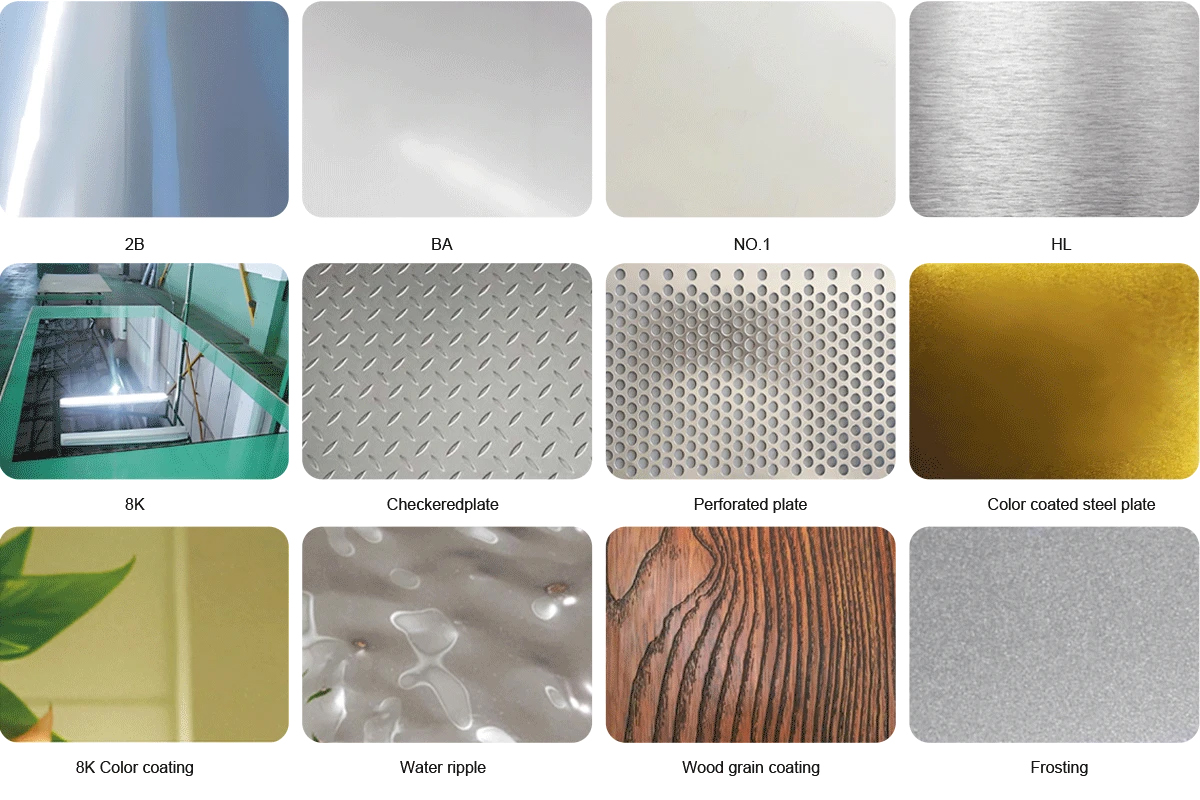
Surface Condition: Hot-rolled annealed and pickled, cold-rolled bright, or ground finishes
Custom Cutting: Precision cutting services available for non-standard sizes
Request Documentation:
Mill Test Certificates (MTC) per EN 10204 3.1/3.2 with:
Heat number and full chemical composition
Complete mechanical property test results
Ultrasonic inspection reports (AMS 2631) if required
Heat treatment records
Third-party inspection reports for critical applications
FAQ
Q1: What is the difference between commercially pure titanium and titanium alloys?
A: Commercially pure (CP) titanium Grades 1-4 contain 99%+ titanium with small amounts of oxygen, iron, and other elements . They offer excellent corrosion resistance and formability but moderate strength. Titanium alloys contain intentional additions of elements like aluminum, vanadium, molybdenum, and tin to enhance specific properties . For example, Ti-6Al-4V (Grade 5) adds 6% aluminum and 4% vanadium to achieve significantly higher strength while maintaining good corrosion resistance .
Q2: Is titanium magnetic?
A: No, titanium and its alloys are non-magnetic . This property is valuable in applications requiring non-magnetic materials, such as medical imaging equipment, electronic housings, and certain aerospace components. The non-magnetic nature also contributes to titanium's biocompatibility for medical implants.
Q3: What is the maximum service temperature for titanium alloys?
A: Maximum continuous service temperatures vary by grade:
CP Grades (1-4): Up to 300°C (570°F)
Ti-6Al-4V (Grade 5): Up to 400°C (750°F) for long-term service
High-temperature alloys (Ti-6242, Ti-6246): Up to 540°C (1,000°F)
Above these temperatures, oxidation resistance and mechanical properties may degrade. For short-term exposure, some alloys can withstand higher temperatures .
Q4: How does titanium compare to stainless steel for corrosion resistance?
A: Titanium generally offers superior corrosion resistance compared to stainless steels, particularly in:
Seawater and chloride environments (titanium is virtually immune to pitting and crevice corrosion)
Oxidizing acids (nitric, chromic)
Wet chlorine gas and hypochlorite solutions
However, titanium can be attacked by reducing acids (hydrochloric, sulfuric) at elevated concentrations, where certain stainless steels or nickel alloys may perform better. The self-repairing oxide film on titanium provides exceptional stability in most natural environments .
Delivery, Certification & Service
Quality Certification
Material Traceability: Complete heat traceability from ingot to finished plate with unique identification markings per ASTM/ASME requirements
Mill Test Certificates (MTC) : EN 10204 3.1/3.2 compliant certificates provided with every shipment including:
Heat number and full chemical composition analysis per applicable specifications
Complete mechanical property test results (tensile, yield, elongation)
Bend test results where applicable
Ultrasonic inspection reports (AMS 2631, ASTM E2375) when specified
Heat treatment records with time/temperature profiles
Third-Party Inspection: Available through Lloyds, DNV, Bureau Veritas, ABS, SGS, or customer-nominated agencies
Special Testing Available:
Positive Material Identification (PMI)
Ultrasonic inspection (Flaw detection, thickness verification)
Mechanical testing at elevated or cryogenic temperatures
Microstructural evaluation (grain size, alpha case depth)
Corrosion testing per applicable standards
Available Product Forms and Dimensions
Surface Finishes Available
Hot-rolled annealed and pickled (HRAP) – standard for plates
Hot-rolled annealed (HRA) – as-rolled condition
Cold-rolled bright annealed – for thin sheets requiring superior surface finish
Ground and polished (various grits up to #400)
Sandblasted – for enhanced coating adhesion or decorative applications
Acid-etched – for medical implant applications
Anodized – various colors available for decorative or identification purposes
Sheared, plasma-cut, or machined edges
Packaging and Protection
Interleaving: Paper, plastic, or foam interleaving between plates to prevent surface damage
Bundling: Steel-strapped bundles with edge protectors for smaller plates
Crating: Export-grade wooden crates for high-value or precision-cut plates
Waterproofing: Waterproof paper, VCI (Vapor Corrosion Inhibitor) materials, and desiccant packs for marine shipment
Iron-Free Protection: Special packaging protocols available for applications requiring strict iron contamination control (medical, aerospace)
Custom Marking: Laser marking, stenciling, or tagging per customer specifications
After-Sales Technical Support
Material Selection Assistance: Expert guidance on grade selection for specific applications based on service conditions
Fabrication Support: Technical recommendations for forming, machining, welding, and heat treatment
Welding Procedure Development: Assistance with procedure qualification and parameter optimization
Failure Analysis: Investigation and analysis of in-service material performance issues with comprehensive reporting
Field Service: On-site technical support for critical applications and large fabrication projects
Training: On-site or virtual training sessions on titanium handling, processing, and quality requirements
Delivery Commitment
Stock Items: 1-2 weeks for standard sizes and grades (Grade 2, Grade 5)
Mill Orders: 8-12 weeks for non-standard dimensions, specialty alloys, or special certification requirements
Express Service: Rush processing available for emergency requirements with expedited production scheduling
Just-in-Time (JIT) Delivery: Coordinated delivery schedules to support lean manufacturing operations
Global Logistics: International shipping with full export documentation, customs clearance support
Quality Assurance
All titanium alloy plates are manufactured in accordance with strict quality management systems, certified to ISO 9001:2015 and AS9100D (aerospace) where applicable. Production facilities maintain:
Advanced Melting Capabilities: VAR (Vacuum Arc Remelting) and EB (Electron Beam) furnaces for optimal purity
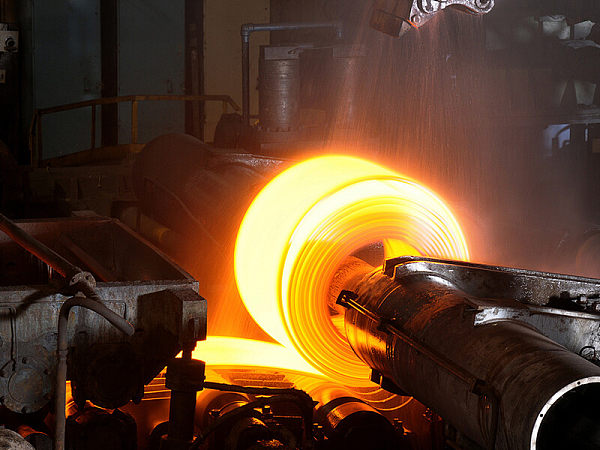
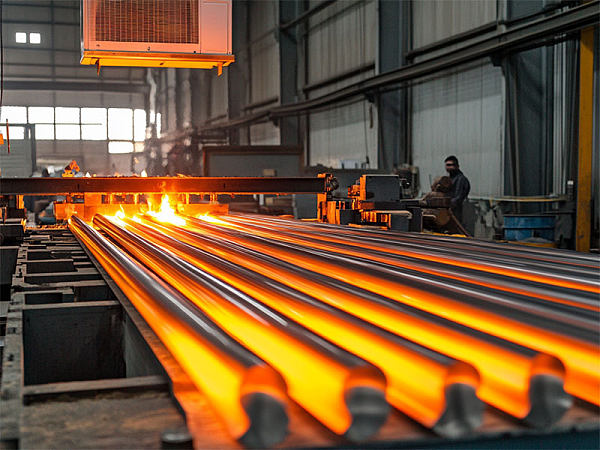
Precision Rolling: State-of-the-art hot and cold rolling mills with dimensional control systems
Comprehensive Testing: In-house laboratories with full mechanical, chemical, and non-destructive testing capabilities
Specialized Capabilities:
Production of wide plates up to 3800mm for large structural components
Capability to produce plates as thin as 0.5mm through specialized rolling techniques
Dimensional accuracy to ±0.05mm for precision applications
Industry-Specific Certifications Available
Aerospace: AS9100, Nadcap, AMS specifications
Medical: ISO 13485, FDA registration, ASTM F136 compliance
Pressure Equipment: PED (Pressure Equipment Directive), ASME Code
Defense: ITAR compliance, MIL-SPEC certifications
Nuclear: NQA-1, 10CFR50 Appendix B
◉ Surfcae selection
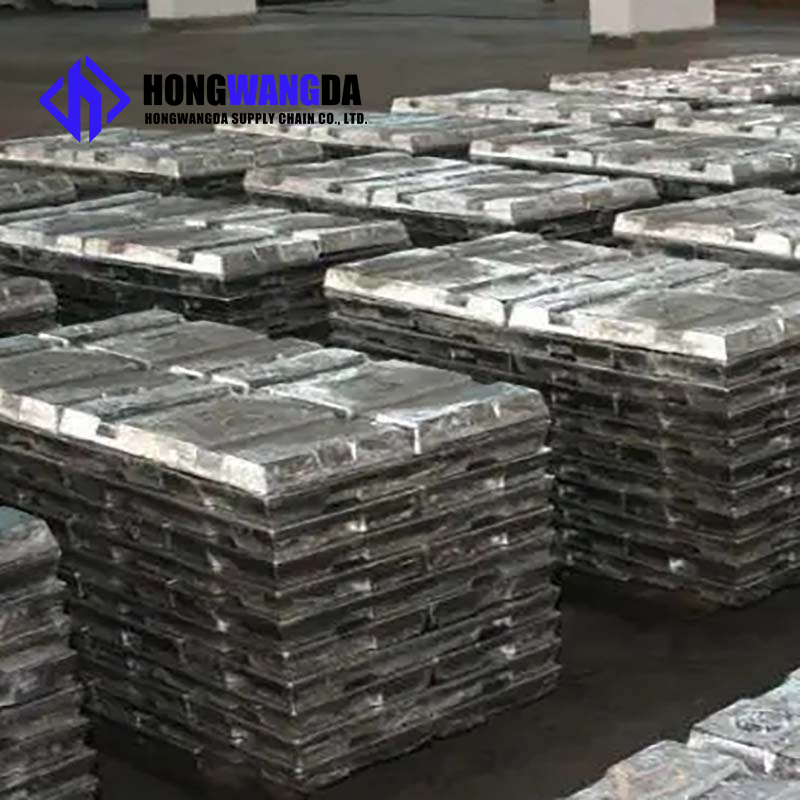
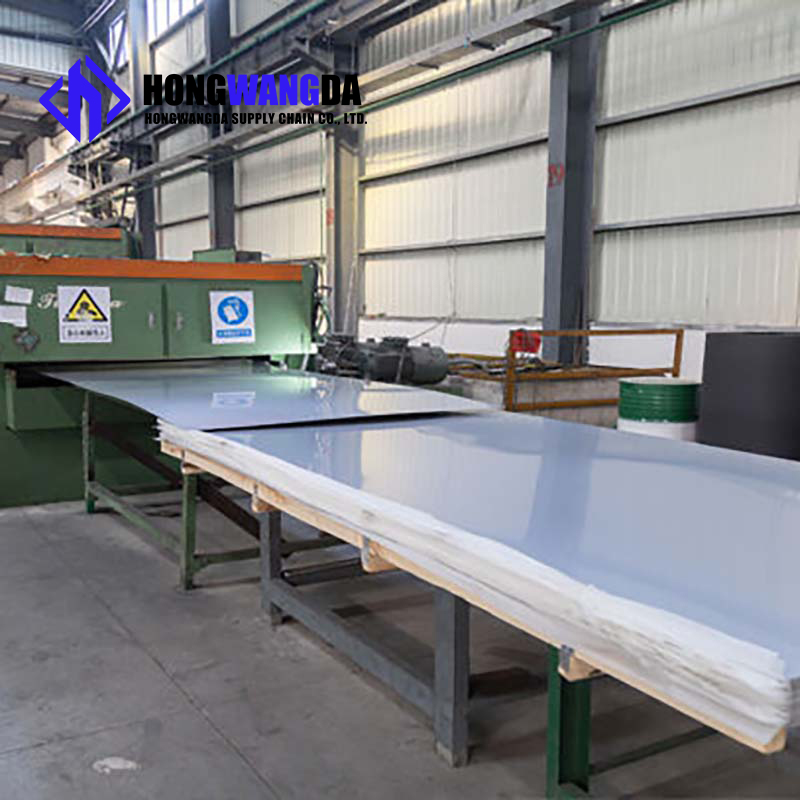
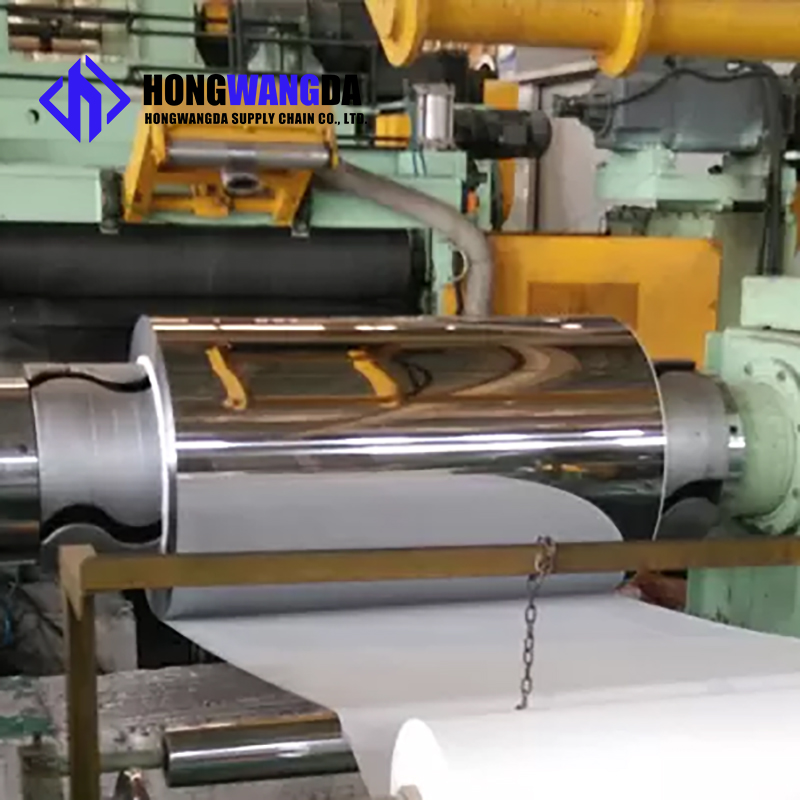
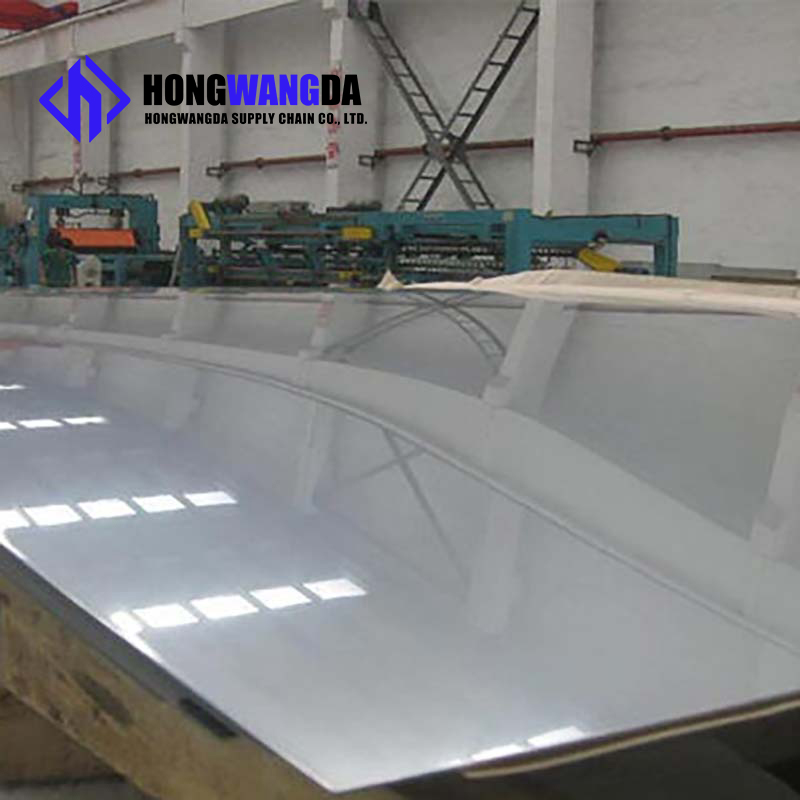
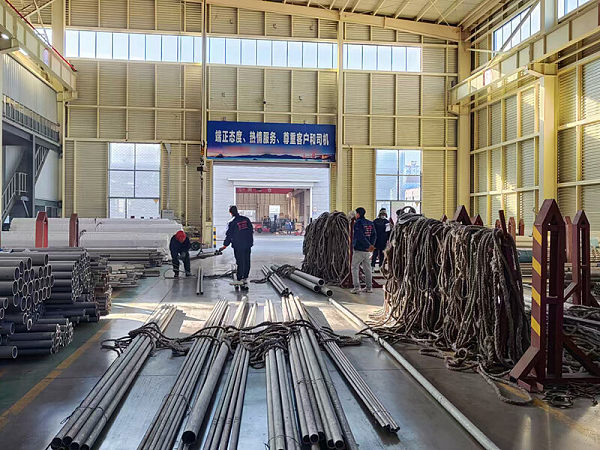
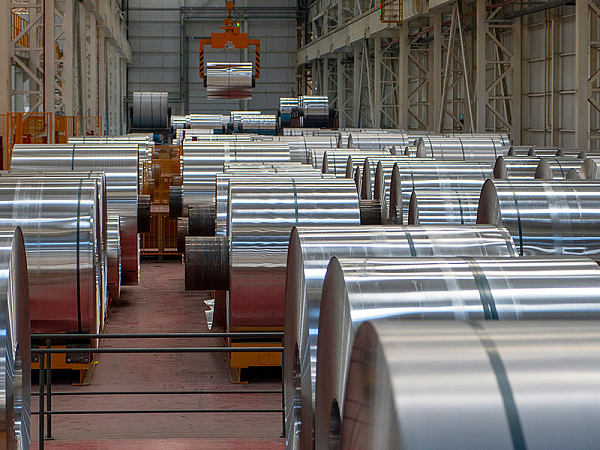
◉ PRODUCTION AND WAREHOUSING
◉ MESSAGE
◉ SIMILAR RECOMMENDED
 Inconel alloy pipe
 Nickel alloy pipe
 Titanium alloy tube
 Monel alloy pipe
 Incoloy alloy pipe
 Hastelloy alloy pipe
 Incoloy alloy bar
 Inconel alloy bar
 Monel alloy bar
 Titanium alloy bar
 Nickel alloy bar
 Hastelloy alloy bar
 Lead ingot
 Inconel alloy plate
 Monel alloy plate
 Titanium alloy plate
 Nickel alloy plate
 Incoloy alloy plate
 Hastelloy alloy plate
 Np550 Wear Resistant Sheet Hot Rolled Steel Plate
 Stainless Steel Channels | Structural Profiles