‹
›
‹
›
◉ PRODUCT SPECIFICATION
Overview
Incoloy represents a family of nickel-iron-chromium superalloys developed by Special Metals Corporation, offering a cost-effective balance of high-temperature strength and corrosion resistance. Unlike nickel-chromium alloys (Inconel) that prioritize extreme heat performance, or nickel-copper alloys (Monel) that excel in marine environments, Incoloy alloys are engineered with higher iron content (typically >22%) to provide an economical solution for moderate-to-high temperature applications while maintaining excellent resistance to oxidation, carburization, and stress corrosion cracking .
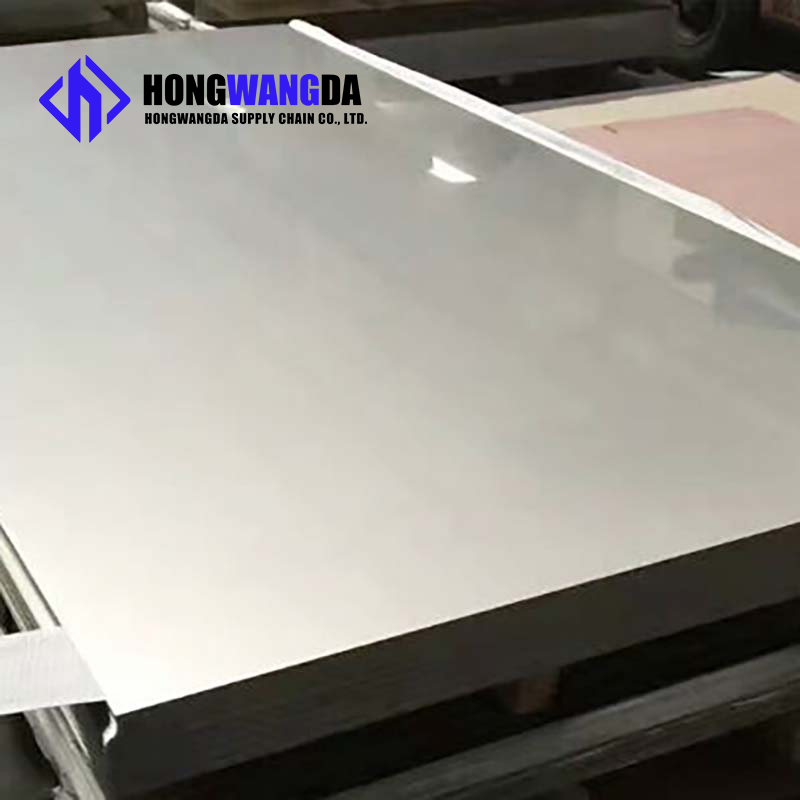
These austenitic superalloys maintain structural stability during prolonged high-temperature exposure, making them the preferred choice for heat exchangers, process piping, and chemical processing equipment where both corrosion resistance and fabrication economics matter . Available in plate, sheet, strip, and other forms, Incoloy alloys bridge the performance gap between stainless steels and more expensive nickel-based superalloys.
Key Features
Balanced Composition for Versatility: With nickel content ranging from 30-46% and chromium from 19-23%, Incoloy alloys combine the best attributes of stainless steel affordability with nickel alloy performance. The high iron content (22% minimum in grades like 825) reduces material costs while maintaining corrosion resistance .
Superior High-Temperature Stability: Incoloy alloys maintain a stable austenitic microstructure during prolonged exposure to elevated temperatures. Grades like 800HT offer excellent resistance to oxidation and carburization up to 980°C, with minimal sigma phase embrittlement .
Exceptional Resistance to Aqueous Corrosion: Specifically formulated to resist stress corrosion cracking (SCC) in chloride-containing environments. The addition of molybdenum and copper in grades like 825 provides outstanding protection against reducing acids including sulfuric and phosphoric acid .
Excellent Fabricability: Higher iron content translates to better formability and weldability compared to high-nickel alternatives. Incoloy plates can be readily welded using conventional methods with matching filler metals, and require less complex post-weld heat treatment procedures .
Cost-Effective Performance: Positioned as the most economical option among nickel-based superalloys, Incoloy delivers reliable performance in applications that don't require the extreme temperature capabilities of Inconel or the acid resistance of Hastelloy .
Specifications with Explanation
Incoloy Alloy Plate Chemical Composition Comparison (Typical values, wt%)
Mechanical Property Guarantees (Typical Room Temperature Minimums)
Physical Properties
Applications
Incoloy alloys serve critical functions across multiple industries where moderate-to-high temperatures combine with corrosive environments:
Chemical Processing Industry
Heat Exchangers and Condensers: Ideal for sulfuric and phosphoric acid service where stainless steels fail but Hastelloy would be over-specified
Reactor Vessels and Piping Systems: For processing aggressive chemicals at temperatures up to 540°C, particularly in nitric acid and organic acid environments
Pickling Equipment: Tanks and components for steel pickling operations using sulfuric and hydrochloric acids
Power Generation and Nuclear
Steam Generators: Nuclear power plant steam generator tubing, where resistance to stress corrosion cracking and high-purity water corrosion is essential
Superheater and Reheater Tubing: Fossil fuel power plant components operating in high-temperature combustion environments
Flue Gas Desulfurization (FGD) Systems: Scrubbers and ductwork requiring resistance to sulfuric acid condensate
Petroleum and Oil & Gas
Sour Gas Service: Incoloy 925 and 945X are specifically engineered for OCTG (Oil Country Tubular Goods), subsurface safety valves, and completion equipment in hydrogen sulfide environments, meeting NACE MR0175/ISO-15156 requirements
High-Strength Piping Systems: Components requiring both corrosion resistance and mechanical strength in downhole applications
Wellhead Components: Valves, hangers, and packers for extreme pressure environments
Industrial Heating and Heat Treating
Furnace Components: Muffles, retorts, radiant tubes, and conveyor belts operating up to 1148°C
Heat Treating Baskets and Fixtures: Excellent resistance to thermal shock and carburizing atmospheres
Annealing Covers and Inner Covers: For batch annealing operations in steel mills
Marine and Desalination
Seawater Heat Exchangers: Resistance to chloride pitting and crevice corrosion
Desalination Plant Components: Evaporators and heat recovery systems handling brine solutions
Comparison: Grade Selection Guide
Buying Guide
Selecting the right Incoloy alloy plate requires careful evaluation of operating conditions and economic factors:
Define Operating Temperature Range:
For continuous service above 540°C, select 800H/HT over 825 (825's properties optimize below 540°C)
For cyclic thermal applications, Incoloy 330 offers superior thermal shock resistance
Identify Corrosive Media:
Reducing acids (H₂SO₄, H₃PO₄) : Incoloy 825 with molybdenum and copper additions
Oxidizing environments: Standard 800 series with high chromium content
Chloride-containing solutions: All Incoloy grades offer good SCC resistance, with 825 providing the best pitting resistance
Determine Mechanical Requirements:
For standard pressure vessel applications, solution-annealed 800/825 (220-310 MPa yield)
For high-strength components requiring 140 ksi+ yield, age-hardenable 925 or 945X
Verify Specifications and Standards:
ASTM/ASME Standards:
Incoloy 800/800H/800HT: ASTM B409 / ASME SB-409 (plate)
Incoloy 825: ASTM B424 / ASME SB-424
Incoloy 330: ASTM B536 / ASME SB-536
NACE Compliance: For sour service, verify MR0175/ISO-15156 certification
Consider Fabrication Requirements:
Incoloy alloys generally offer better machinability and formability than Inconel or Hastelloy
Specify solution-annealed condition for optimal forming and corrosion resistance
For welded construction, request ERNiCrMo-3 or matching filler metal recommendations
FAQ
Q1: What is the difference between Incoloy and Inconel?
A: The primary difference lies in nickel and iron content. Incoloy contains 30-46% nickel with high iron (22%+), while Inconel contains 58%+ nickel with lower iron. This makes Incoloy more cost-effective and easier to fabricate, but with lower high-temperature strength limits. Inconel excels above 980°C, while Incoloy is optimal for applications up to 980°C (800 series) or 540°C (825) .
Q2: Can Incoloy 825 replace stainless steel in acid service?
A: Yes, and it's often the logical upgrade path. Where 316L stainless steel fails in sulfuric or phosphoric acid environments due to general corrosion or pitting, Incoloy 825 typically provides 5-10x longer service life. It's particularly effective in the 10-40% sulfuric acid concentration range at moderate temperatures .
Q3: Does Incoloy require special welding procedures?
A: Incoloy alloys are considered more weldable than high-nickel alloys. Standard techniques like GTAW (TIG), GMAW (MIG), and SMAW work well with proper procedures. Use low heat input, clean surfaces thoroughly, and select matching filler metals (ERNiCrMo-3 for 825, ERNiCr-3 for 800 series). Post-weld heat treatment is typically not required for corrosion service, though stress relief may be beneficial for complex geometries .
Q4: What is the maximum service temperature for Incoloy 825?
A: Incoloy 825 is generally rated for continuous service up to 540°C (1004°F). Above this temperature, mechanical properties may degrade, and the alloy's optimized corrosion resistance for acidic environments is less relevant. For higher temperatures, consider Incoloy 800H/HT which performs well up to 980°C .
Q5: Is Incoloy magnetic?
A: In the solution-annealed condition, Incoloy alloys are essentially non-magnetic due to their austenitic structure. However, significant cold working may induce some magnetic response. This makes them suitable for applications requiring non-magnetic properties, such as instrument components .
Q6: How does Incoloy 925 achieve its high strength?
A: Unlike other Incoloy grades that are solid-solution strengthened, Incoloy 925 is precipitation-hardenable. Additions of aluminum, titanium, and niobium form strengthening precipitates (γ' and γ") during controlled aging heat treatment (typically 1350°F/732°C for 6-8 hours). This achieves yield strengths up to 160 ksi while maintaining corrosion resistance .
Delivery, Certification & Service
Quality Certification
Material Traceability: Full heat traceability from melt to finished plate, with unique identification markings on each plate
Mill Test Certificates (MTC) : EN 10204 3.1/3.2 compliant certificates provided with every shipment, including:
Heat number and chemical composition analysis
Full mechanical property test results (tensile, yield, elongation)
Grain size determination (for 800H/HT)
Corrosion test results where specified
Third-Party Inspection: Available through Lloyds, DNV, Bureau Veritas, or customer-nominated agencies
Available Product Forms and Dimensions
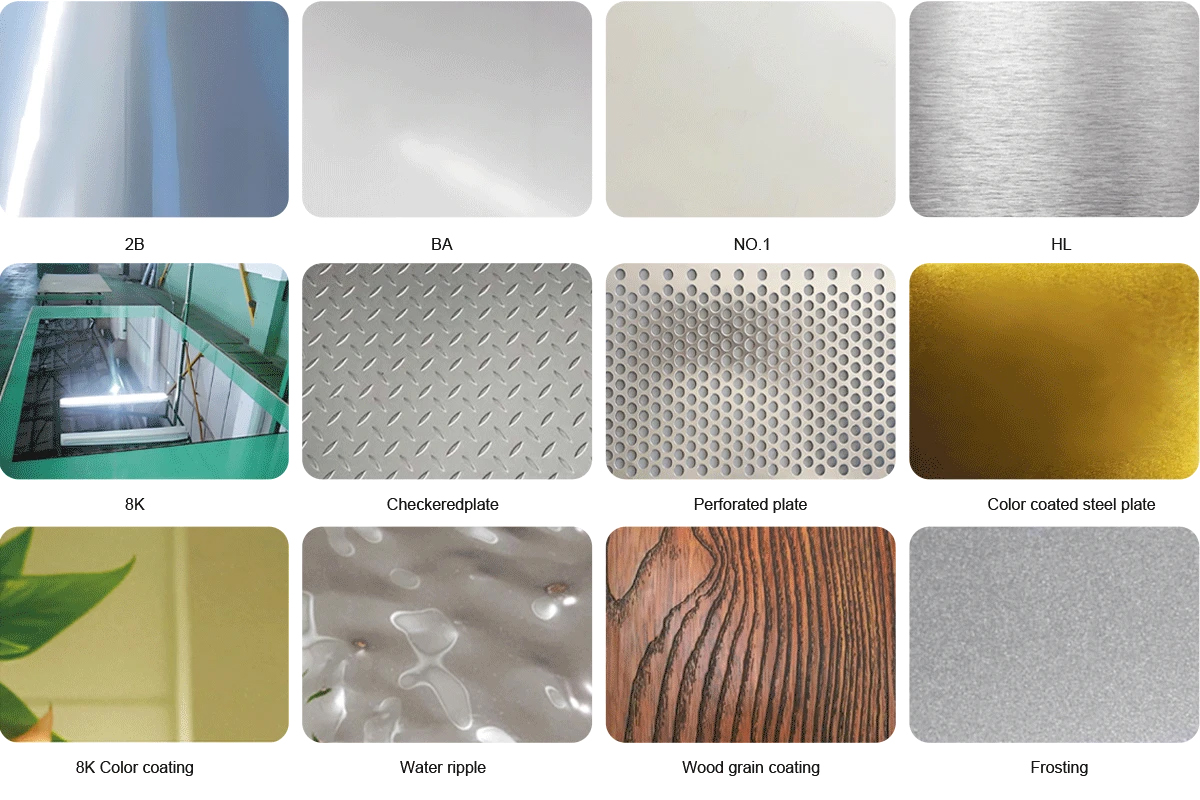
Surface Finishes Available
Hot-rolled and pickled (HRAP)
Hot-rolled annealed and pickled
Cold-rolled bright annealed
Ground and polished (various grits)
Plasma-cut or sheared edges
Packaging and Protection
Interleaving: Paper or plastic interleaving between plates to prevent surface scratching
Bundling: Steel-strapped bundles with edge protectors for smaller plates
Crating: Export-grade wooden crates for high-value or precision-cut plates
Waterproofing: Waterproof paper and vapor-phase corrosion inhibitors for marine shipment
After-Sales Technical Support
Fabrication Assistance: Technical guidance on forming parameters, welding procedures, and heat treatment cycles
Failure Analysis: Support for investigating in-service material performance issues
Material Selection Consulting: Assistance with grade selection for new applications or environments
Inventory Management: Consignment stocking and just-in-time delivery programs available
Delivery Commitment
Stock Items: 1-2 weeks for standard sizes
Mill Orders: 8-12 weeks for non-standard dimensions or special certifications
Express Service: Rush processing available for emergency requirements
◉ Surfcae selection
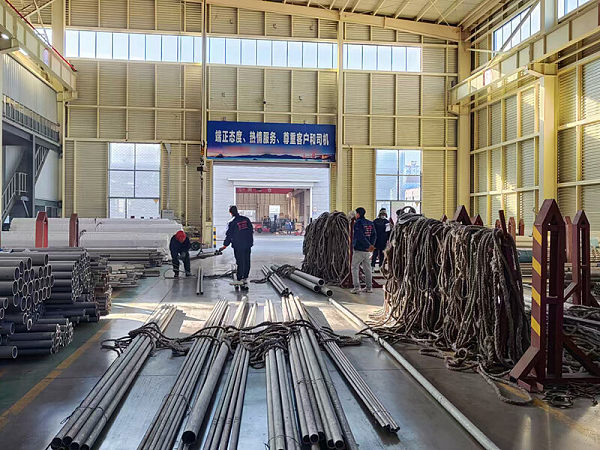
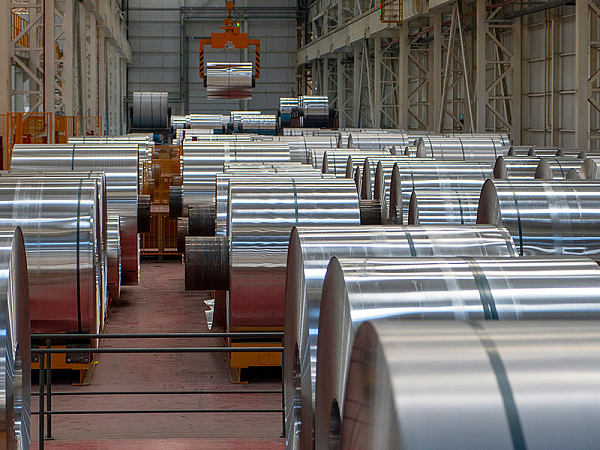
◉ PRODUCTION AND WAREHOUSING
◉ MESSAGE
◉ SIMILAR RECOMMENDED
 Inconel alloy pipe
 Nickel alloy pipe
 Titanium alloy tube
 Monel alloy pipe
 Incoloy alloy pipe
 Hastelloy alloy pipe
 Incoloy alloy bar
 Inconel alloy bar
 Monel alloy bar
 Titanium alloy bar
 Nickel alloy bar
 Hastelloy alloy bar
 Lead ingot
 Inconel alloy plate
 Monel alloy plate
 Titanium alloy plate
 Nickel alloy plate
 Incoloy alloy plate
 Hastelloy alloy plate
 Np550 Wear Resistant Sheet Hot Rolled Steel Plate
 Stainless Steel Channels | Structural Profiles