‹
›
‹
›
◉ PRODUCT SPECIFICATION
Overview
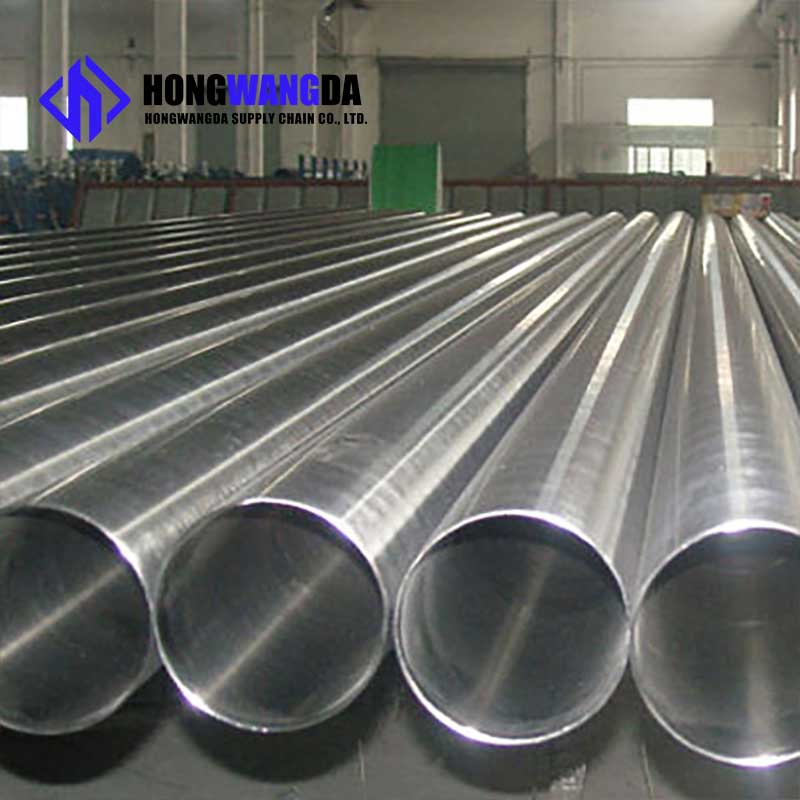
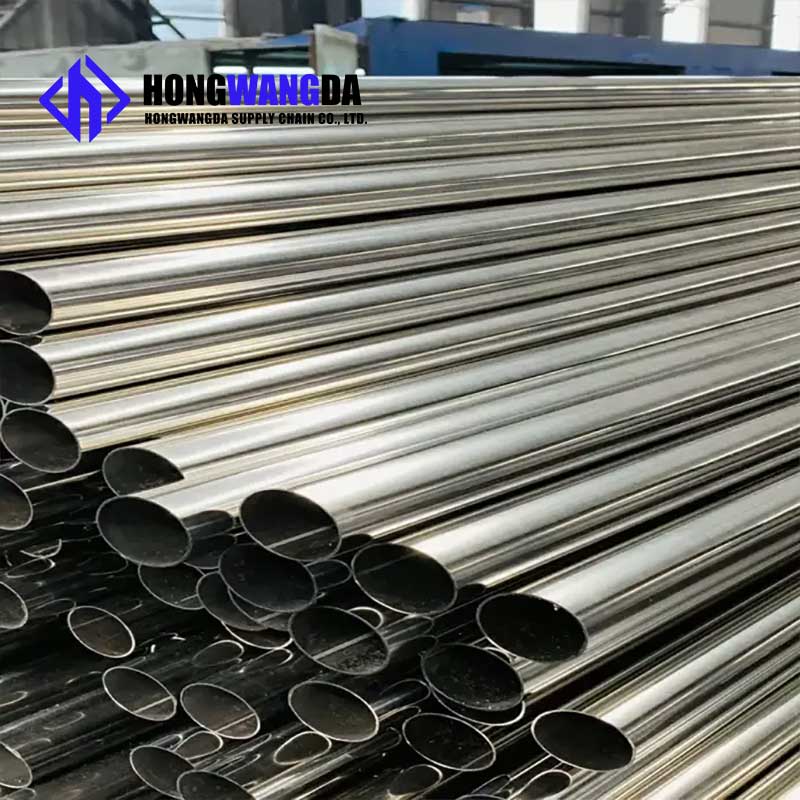
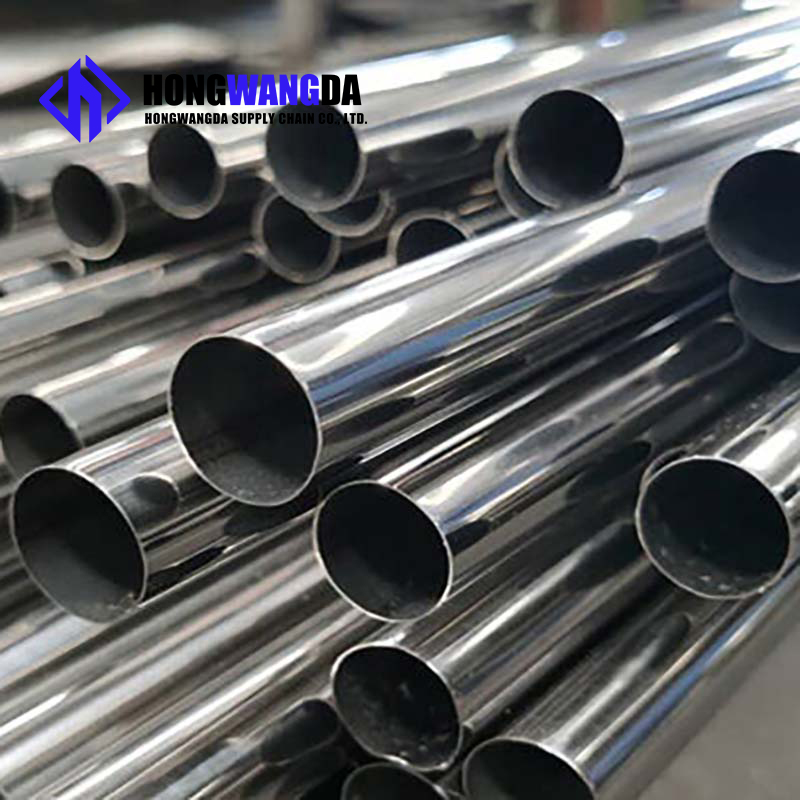
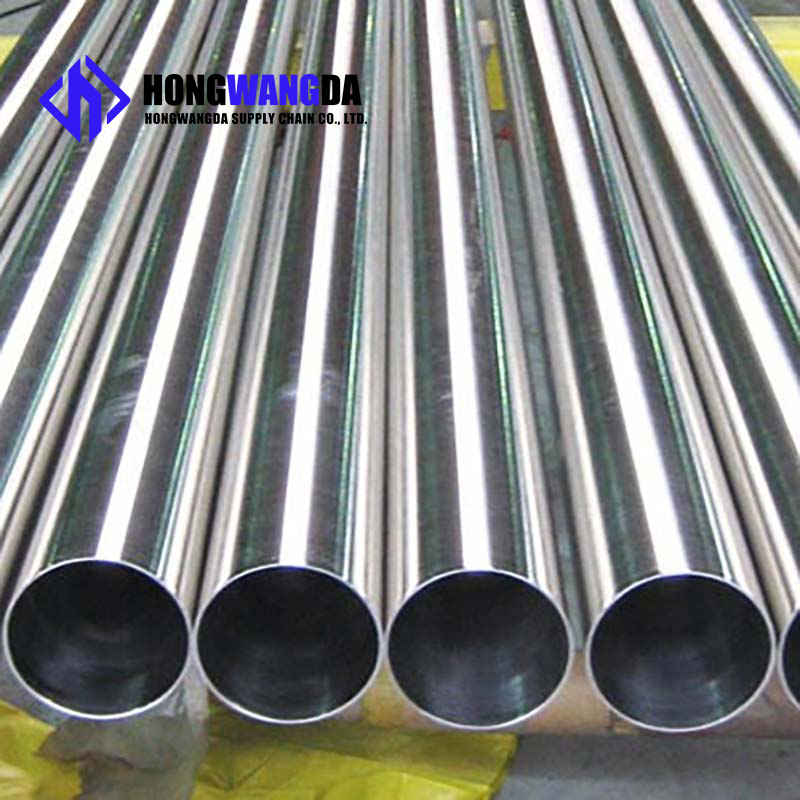
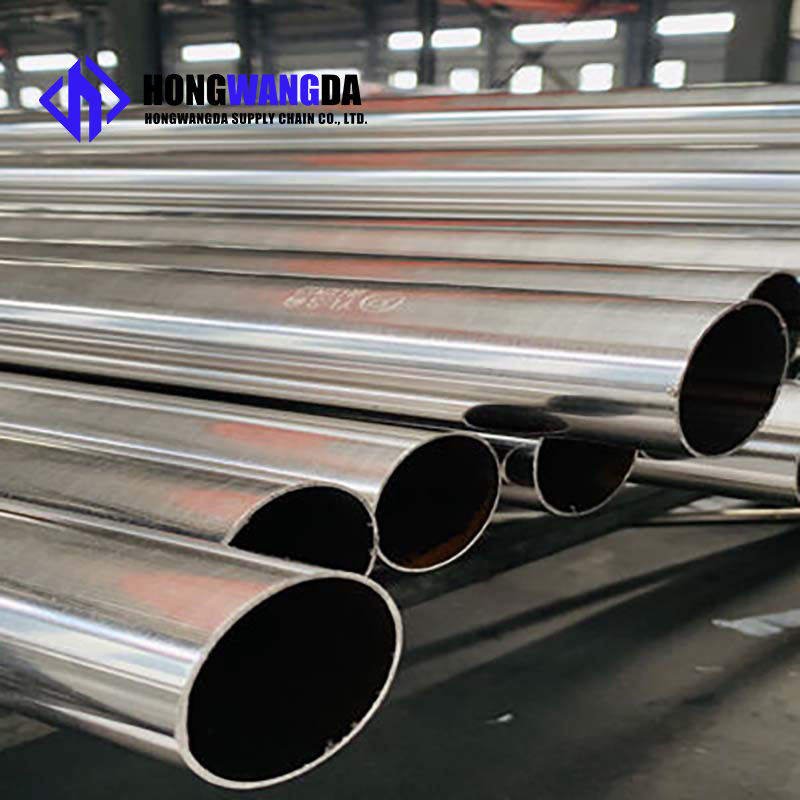
Titanium alloy tubes are hollow, long products manufactured from titanium-based alloys, representing one of the most advanced material solutions for fluid handling, heat transfer, and structural applications across aerospace, chemical processing, marine engineering, medical devices, and power generation industries . These tubes are produced through seamless (extrusion or cold drawing) or welded (TIG/PAW/laser) processes, resulting in precision tubular components that combine exceptional strength-to-weight ratio with outstanding corrosion resistance .
Titanium possesses two allotropic crystal structures: hexagonal close-packed (α phase) below 882°C and body-centered cubic (β phase) above 882°C, forming the basis for the three primary classifications of titanium alloys: α alloys, α+β dual-phase alloys, and β alloys. The most common titanium alloy tube grades include commercially pure titanium (Grades 1-4) for maximum corrosion resistance, Ti-6Al-4V (Grade 5) for high-strength structural applications, and specialized grades like Grade 7 (Ti-Pd) and Grade 12 (Ti-0.3Mo-0.8Ni) for enhanced corrosion resistance in reducing environments .
Titanium tubes transform the remarkable properties of titanium—density of approximately 4.51 g/cm³ (60% that of steel) , tensile strengths ranging from 240 MPa for pure grades to over 900 MPa for alloys, and corrosion rates below 0.01 mm/year in seawater—into versatile engineering components that outperform stainless steel, copper-nickel, and other traditional materials in demanding environments .
With diameters ranging from 0.8mm to 508mm, wall thicknesses from 0.2mm to 50mm, and lengths up to 15 meters, titanium alloy tubes provide engineers with precision solutions for heat exchangers, condensers, piping systems, medical devices, and lightweight structural applications .
Key Features
Exceptional Corrosion Resistance: Titanium forms a stable, self-repairing oxide film (TiO₂) that provides outstanding resistance to seawater, chlorides, oxidizing acids, and aggressive industrial environments. In seawater, the corrosion rate is less than 0.01 mm/year—far superior to 304L stainless steel (>0.1 mm/year) . The oxide film self-heals instantly when damaged, ensuring long-term protection.
Superior Strength-to-Weight Ratio: With a density of approximately 4.51 g/cm³ (about 60% that of steel), titanium tubes offer near-steel strength at half the weight. Commercially pure titanium (Grade 2) has tensile strength around 345 MPa, while titanium alloys like Ti-6Al-4V (Grade 5) exceed 900 MPa tensile strength . The strength-to-density ratio is 2× that of aluminum alloys and 1.6× that of stainless steel .
Excellent High-Temperature Performance: Titanium has a melting point of 1668°C—higher than steel (~1400°C) and aluminum (660°C) . Titanium tubes retain excellent mechanical properties up to 600°C, making them suitable for high-temperature heat exchange systems, aircraft engines, and power generation equipment .
Multiple Tube Types for Varied Applications: Titanium tubes are available in several manufacturing types :
Seamless Tubes: Manufactured from solid billet through extrusion and cold drawing, offering superior structural integrity and higher pressure ratings—ideal for high-pressure systems, aerospace components, and critical chemical processing
Welded Tubes: Formed from titanium strip through TIG/PAW/laser welding, offering higher dimensional consistency, lower production cost, and customizable lengths . Available in sizes from 6mm to 114mm OD with wall thickness 0.5-6.0mm
Thin-Wall Tubes: Specialized precision tubes with wall thickness from 0.2mm to 1.5mm and OD from 0.8mm to 60mm for weight-critical applications
Cold-Drawn Tubes: Enhanced mechanical properties and dimensional stability through cold working
Bent/U-Bend Tubes: Custom-formed tubes with bending radius from 1D to 10D, angle accuracy ±0.5°, for heat exchangers and complex piping layouts
Wide Range of Grades for Specific Environments: Titanium tubes are available in multiple grades optimized for different service conditions :
Grade 1 (CP1) : Highest ductility, excellent formability for thin-wall tubes and small bending radii
Grade 2 (CP2) : Balanced strength and formability, most common for heat exchangers and seawater systems
Grade 5 (Ti-6Al-4V) : High strength-to-weight ratio for aerospace and high-load structural applications
Grade 7 (Ti-Pd) : Palladium addition for superior resistance to acids and chloride environments
Grade 9 (Ti-3Al-2.5V) : Good weldability and formability for tubing systems
Grade 12 (Ti-0.3Mo-0.8Ni) : Enhanced crevice corrosion resistance in warm chlorides and reducing acids
Grade 23 (Ti-6Al-4V ELI) : Extra Low Interstitial for medical implants and critical applications
Non-Magnetic and Biocompatible: Titanium is completely non-magnetic, unaffected by electromagnetic interference—ideal for radar systems, MRI equipment, and medical imaging . It is one of the most biocompatible metals, widely used in medical implants (artificial joints, bone screws, drainage tubes) without causing allergies, rejection, or inflammation .
Excellent Fabricability with Proper Techniques: Titanium tubes can be successfully bent, welded, cut, and formed using appropriate methods :
Bending: Mandrel bending for thin-wall tubes (1D-3D radius) with angle accuracy ±0.5°, ovality ≤8%, wall thinning ≤10%
Hot Induction Bending: For thick-wall or large-diameter industrial pipelines, reducing springback and residual stress
Welding: TIG argon arc welding / PAW plasma welding / laser welding with pure argon shielding
Cutting: Laser/knife cutting systems with accuracy within ±0.5mm
Complete Standards Compliance: Titanium tubes meet numerous international standards ensuring global acceptance :
ASTM B338 / ASME SB338: Standard specification for seamless and welded titanium tubes for condensers and heat exchangers
ASTM B861 / ASME SB861: Standard specification for titanium and titanium alloy seamless pipe
ASTM B862 / ASME SB862: Standard specification for titanium and titanium alloy welded pipe
ASTM B363: Standard specification for wrought titanium and titanium alloy fittings
GB/T 3624: Chinese national standard for titanium and titanium alloy tubes
ISO, DIN, JIS: Various international standards available
Long Service Life & Low Maintenance: In harsh environments like seawater, chemical plants, and oil fields, titanium tubes can remain in service for 15–20+ years . While initial cost is higher than stainless steel, total lifecycle cost is lower due to fewer replacements and minimal maintenance .
Specifications with Explanation
Titanium Alloy Tube Chemical Composition by Grade (Typical values, wt%)
Typical Mechanical Properties
Physical Properties
Applicable Tube Standards
Available Tube Dimensions and Forms
Common Size Ranges
Micro/miniature tubes: 0.8mm - 6mm OD for medical and instrumentation
Heat exchanger tubes: 6mm - 50mm OD, 0.5mm - 2mm wall thickness
Process piping: 1/8" - 26" NPS (6mm - 660mm) for industrial applications
Structural tubes: Up to 500mm OD for aerospace and marine structures
Tolerance Grades Available
Diameter tolerance: ±0.10mm for precision applications
Wall thickness tolerance: ±5%
Cutting accuracy: ±0.5mm
Bending angle accuracy: ±0.5°
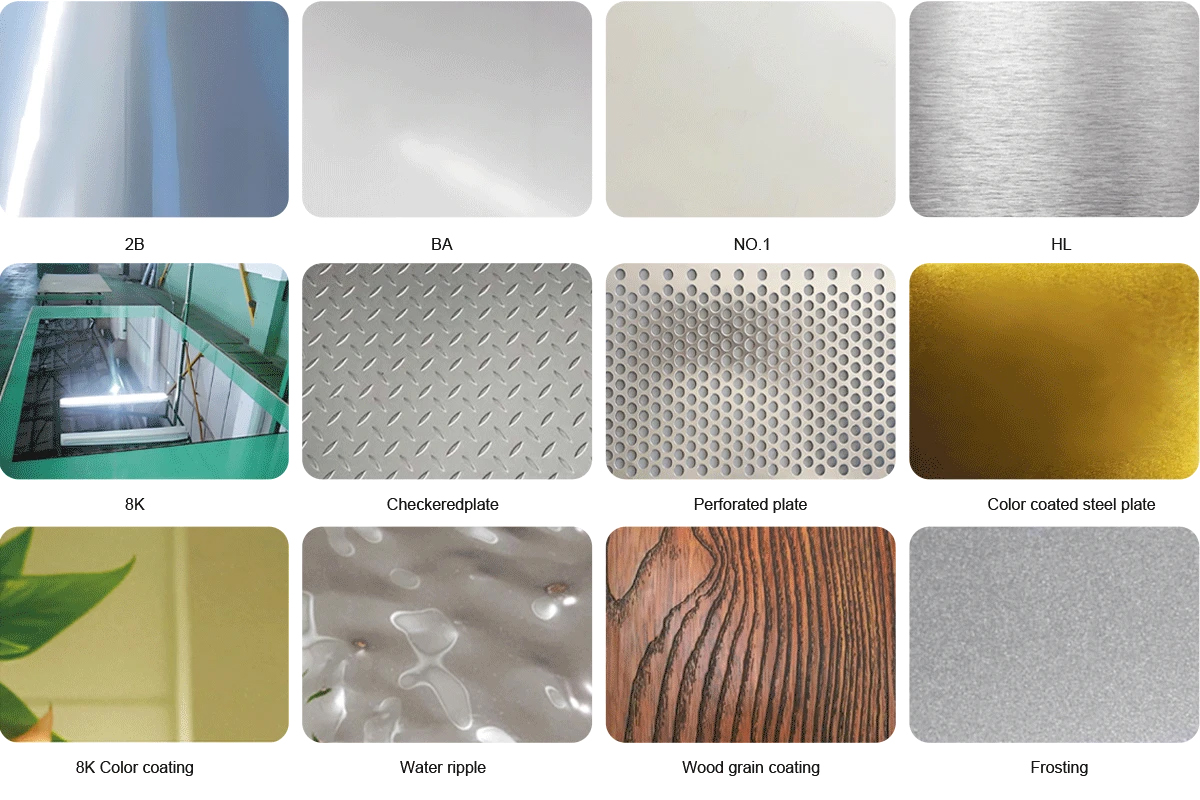
Surface Finishes Available
Pickled (standard mill finish)
Bright annealed
Mechanically polished (various grits)
Electrolytic polished
Anodized (various colors)
Sand blasted
Mirror finish (Ra≤0.8μm)
Tube End Finishes
Plain End (PE)
Bevelled End (BE) for field welding
Cut-to-Length with deburred ends
Applications
Titanium alloy tubes serve as critical components across industries where corrosion resistance, light weight, and high strength are paramount:
Heat Exchangers and Condensers
Shell and Tube Heat Exchangers: Titanium tubes for chemical processing, power generation, and HVAC systems
Condensers: For power plants, desalination facilities, and marine applications
Evaporators: In chemical and food processing industries
Cooling Coils: For industrial cooling systems
U-Bend Tubes: Custom bent tubes for compact heat exchanger designs
Chemical Processing Industry
Corrosive Fluid Transfer: Piping for acids, chlorides, and aggressive chemicals
Reactor Internals: Heating and cooling coils for chemical reactors
Distillation Columns: Internal piping and heat exchange elements
Pickling Equipment: Tubes for metal pickling operations
High-Purity Chemical Delivery: For semiconductor and pharmaceutical manufacturing
Marine and Offshore Engineering
Seawater Cooling Systems: Piping for offshore platforms, ships, and coastal power plants
Desalination Plants: Heat exchanger tubes for multi-stage flash and reverse osmosis systems
Ballast Water Treatment: Piping for marine environmental compliance
Firewater Systems: Corrosion-resistant piping for offshore platforms
Subsea Components: Hydraulic and control lines for underwater equipment
Aerospace and Defense
Hydraulic Systems: High-pressure tubing for aircraft hydraulic lines
Fuel Systems: Piping for fuel transfer in aircraft and spacecraft
Cooling Loops: For avionics and engine cooling
Structural Components: Lightweight supports and frames
Engine Components: Bleed air ducts and compressor tubing
Missile and Rocket Parts: Propellant lines and structural elements
Medical and Pharmaceutical
Surgical Implants: Orthopedic bone screws, joint components, and spinal implants
Endoscope Housings: Thin-wall tubes for medical instruments
Interventional Catheters: Guidewire and stent components
Dental Implants: Biocompatible tubing for dental applications
Pharmaceutical Equipment: High-purity piping for drug manufacturing
Medical Device Components: MRI-compatible instrument housings
Power Generation
Nuclear Power: Condenser tubing and heat exchange elements
Thermal Power Plants: Steam condenser tubes and cooling systems
Geothermal Energy: Piping for corrosive geothermal brines
Solar Energy: Heat transfer tubing in concentrated solar power systems
Flue Gas Desulfurization: Piping for emissions control systems
Automotive and Motorsport
Exhaust Systems: Lightweight titanium exhaust tubing
Turbocharger Piping: For high-performance engines
Heat Exchange Systems: Radiators and intercoolers
Lightweight Structural Components: Roll cages and chassis reinforcements
Electric Vehicle Components: Battery cooling systems
Oil and Gas Industry
Sour Gas Service: Piping for H₂S-containing environments
Offshore Platforms: Seawater handling and chemical injection lines
Downhole Components: Instrumentation and control lines
Subsea Umbilicals: Hydraulic and chemical lines for deepwater operations
Industrial Applications
Pulp and Paper Industry: Bleach plant piping and heat exchangers
Food Processing: Sanitary tubing for acidic food products
Textile Industry: Corrosion-resistant piping for dyeing processes
Plating Industry: Tubes for electroplating and anodizing lines
Waste Treatment: Piping for corrosive waste streams
New Energy and Environmental
Hydrogen Energy: Piping for hydrogen production and storage
Fuel Cells: Components for electrochemical systems
Waste Incineration: Heat recovery systems
Emissions Control: Scrubber systems for air pollution control
Sports and Consumer Goods
Bicycle Frames: High-performance bicycle tubing (Grade 9 commonly used)
Golf Club Shafts: Lightweight titanium tube shafts
Scuba Diving Equipment: High-pressure air tanks and fittings
Marine Hardware: Masts, rigging, and fittings for yachts
Comparison: Grade Selection Guide
Buying Guide
Selecting the appropriate titanium alloy tube requires careful evaluation of service conditions, mechanical requirements, fabrication considerations, and economic factors:
Define Service Environment:
Corrosive Media: Identify specific chemicals, concentrations, and temperature
Seawater/chlorides: Grades 2, 7, 12
Reducing acids (H₂SO₄, HCl): Grades 7, 12
Oxidizing acids (HNO₃): Grades 2, 5
Warm chlorides (>80°C): Grade 12 recommended for crevice corrosion resistance
Temperature Range: Maximum operating temperature
Up to 300°C: All grades suitable
Up to 600°C: Grade 5 recommended
Pressure Requirements: Operating pressure and design margin
Mechanical Loading: Static, cyclic, or impact loading
Select Tube Type Based on Service Criticality:
Seamless Tube: For high-pressure systems, critical applications, and where weld seam concerns must be eliminated
Welded Tube: For moderate-pressure applications, cost-sensitive projects, and larger diameters
Thin-Wall Tube: For weight-critical applications, medical devices, and precision instrumentation
Bent Tube/U-Bend: For heat exchangers and complex piping layouts requiring custom geometries
Determine Tube Dimensions:
Outer Diameter: Specify required OD (0.8mm to 508mm available)
Wall Thickness: Based on pressure requirements and service conditions
Length: Standard lengths up to 15,000mm; custom cut-to-length available
Tolerances: Specify required dimensional tolerances (±0.10mm for precision applications)
Verify Specifications and Standards:
Confirm applicable ASTM/ASME standards:
Heat exchanger tubes: ASTM B338 / ASME SB338
Seamless pipe: ASTM B861 / ASME SB861
Welded pipe: ASTM B862 / ASME SB862
For medical applications, ensure ASTM F136 (Grade 23) compliance
For pressure applications, ensure ASME B31.3 code compliance
Consider Fabrication Requirements:
Bending: For thin-wall tubes, specify mandrel bending with angle accuracy ±0.5°, ovality ≤8%
Welding: Requires inert gas shielding (argon) with oxygen levels below 50 ppm
Cutting: Precision cutting available (laser/knife) with accuracy ±0.5mm
Surface Treatment: Specify pickling, polishing, or anodizing as required
Request Documentation:
Mill Test Certificates (MTC) per EN 10204 3.1/3.2 with:
Heat number and full chemical composition
Complete mechanical property test results
Hydrostatic test certification
Heat treatment records
NDT reports (ultrasonic, X-ray) when specified
Third-party inspection reports for critical applications
Consider Total Cost of Ownership:
Initial Material Cost: Titanium tubes cost more than stainless steel but less than nickel alloys
Installation Cost: Factor in welding, testing, and inspection
Maintenance Cost: Minimal compared to less corrosion-resistant materials
Service Life: 15-20+ years in corrosive environments
Weight Savings: 40-50% weight reduction compared to steel piping
Plan for Lead Times:
Stock Items: 3-7 days for standard sizes and common grades
Custom Orders: 25 working days typical for custom dimensions
Mill Orders: 8-12 weeks for non-standard specifications
Partial Shipment: Allowed for large orders
FAQ
Q1: What is the difference between seamless and welded titanium tubes?
A: Seamless tubes are manufactured from a solid billet through extrusion and cold drawing, resulting in uniform structure throughout with no weld seam. They offer higher pressure ratings and are preferred for critical applications, high-pressure systems, and aerospace components . Welded tubes are formed from titanium strip and longitudinally welded using TIG, PAW, or laser welding . They offer higher dimensional consistency, lower production cost, and can be produced in longer lengths. Welded tubes are suitable for heat exchangers, condensers, and moderate-pressure applications. Both types can be supplied to ASTM B338 or B861/B862 standards .
Q2: What is the difference between Grade 2 and Grade 5 titanium tubes?
A: The primary differences are composition and mechanical properties. Grade 2 is commercially pure titanium with 99.3% minimum titanium content, offering tensile strength ≥345 MPa, excellent corrosion resistance, and good formability . It is the most common choice for heat exchangers, seawater systems, and general industrial applications. Grade 5 (Ti-6Al-4V) is an α+β alloy containing 6% aluminum and 4% vanadium, achieving tensile strength ≥895 MPa—approximately 2.5× higher than Grade 2 . Grade 5 offers superior strength-to-weight ratio for aerospace and high-load applications but has slightly lower formability and requires special consideration for bending .
Q3: What is the maximum service temperature for titanium tubes?
A: Titanium tubes maintain excellent mechanical properties up to 600°C (1112°F) . Commercially pure grades (1-4) are typically used up to 300°C, while alloy grades like Grade 5 maintain useful strength up to 600°C. Above these temperatures, oxidation resistance may decrease, and mechanical properties may degrade. For short-term exposure, some applications use titanium up to 800°C, but long-term service above 600°C requires careful evaluation.
Q4: Can titanium tubes be bent, and what are the limitations?
A: Yes, titanium tubes can be successfully bent using appropriate techniques :
Mandrel bending: For thin-wall tubes (OD 5-114.3mm) with bend radius from 1D to 10D
Hot induction bending: For thick-wall or large-diameter tubes
Achievable tolerances: Angle accuracy ±0.5°, ovality ≤8%, wall thinning ≤10%
Minimum bend radius: 1D for Grade 1 (highest ductility), 2D for Grade 5 (requires evaluation)
Grade selection significantly affects bendability—Grade 1 offers the best formability for small radii, while Grade 5 requires larger radii and special considerations .
Q5: Are titanium tubes magnetic?
A: No, titanium and its alloys are completely non-magnetic . This property is valuable in applications requiring non-magnetic materials, such as:
Medical imaging equipment (MRI)
Electronic housings and instrumentation
Aerospace components near magnetic sensors
Subsea equipment where magnetic signature is critical
The non-magnetic nature also contributes to titanium's biocompatibility for medical implants.
Delivery, Certification & Service
Quality Certification
Material Traceability: Complete heat traceability from ingot to finished tube with unique identification markings per applicable standards
Mill Test Certificates (MTC) : EN 10204 3.1/3.2 compliant certificates provided with every shipment including :
Heat number and full chemical composition analysis per applicable specifications
Complete mechanical property test results (tensile, yield, elongation)
Hardness testing where applicable
Hydrostatic test certification
Heat treatment records (annealing temperatures, times)
Dimensional inspection reports
Non-destructive testing reports when specified (ultrasonic, X-ray, eddy current)
Third-Party Inspection: Available through Lloyds, DNV, Bureau Veritas, ABS, SGS, TÜV, or customer-nominated agencies
Special Testing Available:
Positive Material Identification (PMI)
Ultrasonic inspection (Flaw detection, wall thickness verification)
Radiographic examination of weld seams (for welded tube)
Eddy current testing
Mechanical testing at elevated or cryogenic temperatures
Microstructural evaluation (grain size, alpha case depth)
Flare, flange, and flattening tests
Corrosion testing per applicable standards
Pressure testing (hydrostatic or pneumatic)
Available Tube Forms and Dimensions
Surface Finishes Available
Pickled: Standard mill finish, oxide-free surface with matte appearance
Bright Annealed: Smooth, bright finish for clean applications
Mechanically Polished: Various grit finishes (180#, 240#, 320#, 400#, 600#)
Electrolytic Polished: High-purity finish for medical and pharmaceutical applications
Anodized: Various colors (industrial gray, blue, gold) for appearance or functional purposes
Sand Blasted: Textured finish for coating preparation
Mirror Finish: Ra≤0.8μm for critical applications
Tube End Finishes
Plain End (PE) : Standard for most tube shipments
Bevelled End (BE) : For field welding preparation (37.5° typical)
Cut-to-Length: Precision cut with deburred ends
Threaded: Available for mechanical connections (limited applications)
Packaging and Protection
Bundling: Thick woven plastic bags or steel-strapped bundles with protective spacers
Wooden Crates: Export-grade wooden cases for high-value or precision tubes
Individual Wrapping: Protective paper, polyethylene foam, or plastic for polished surfaces
End Protection: Plastic caps for all tube ends to prevent debris ingress and damage
VCI Protection: Vapor Corrosion Inhibitor materials for long-term storage or marine shipment
Custom Marking: Stenciling, tagging, or stamping per customer specifications
Export Packing: Seaworthy packaging with waterproof lining and fumigation certification as required
After-Sales Technical Support
Material Selection Assistance: Expert guidance on grade selection for specific applications based on service conditions
Fabrication Support: Technical recommendations for bending, welding, cutting, and forming
Welding Procedure Development: Assistance with procedure qualification and parameter optimization
Bending Support: Tooling design and parameter recommendations for custom bends
Heat Treatment Guidance: For annealing or stress relieving requirements
Failure Analysis: Investigation and analysis of in-service material performance issues
Field Service: On-site technical support for critical applications and large projects
Installation Support: Assistance with proper handling and installation procedures
Delivery Commitment
Stock Items: 3-7 days for standard sizes and common grades
Custom Orders: 25 working days typical for custom dimensions
Mill Orders: 8-12 weeks for non-standard specifications or large volumes
Express Service: Expedited processing available for urgent requirements (premium pricing)
Partial Shipment: Allowed for large orders
Just-in-Time (JIT) Delivery: Coordinated delivery schedules to support lean manufacturing
Global Logistics: International shipping with full export documentation, customs clearance support
Quality Assurance
All titanium alloy tubes are manufactured in accordance with strict quality management systems, certified to ISO 9001:2015 and applicable industry standards. Production facilities maintain:
Advanced Melting Capabilities: Multiple vacuum melting processes for optimal purity and homogeneity
Specialized Tube Manufacturing: State-of-the-art seamless extrusion, cold drawing, and cold rolling facilities
Precision Welding: Automated TIG, PAW, and laser welding systems with real-time quality monitoring
Heat Treatment: Controlled atmosphere annealing furnaces to prevent oxidation
Comprehensive Testing: In-house laboratories with full mechanical, chemical, metallurgical, and non-destructive testing capabilities
Process Certifications: Factory certifications including ISO 9001, AS9100 (aerospace), ISO 13485 (medical)
Industry-Specific Certifications Available
Aerospace: AS9100, Nadcap, AMS specifications (AMS 4911, AMS 4928, AMS 4945)
Medical: ISO 13485, FDA compliance, ASTM F136 (implants), ASTM F67 (non-implants)
Pressure Equipment: PED (Pressure Equipment Directive), ASME Section VIII, ASME B31.3
Oil & Gas: NACE MR0175/ISO 15156 compliance where applicable
Marine: DNV, Lloyds, ABS type approval for offshore applications
Defense: ITAR compliance, MIL-SPEC certifications
Chemical: ASME B31.3 process piping compliance
◉ Surfcae selection
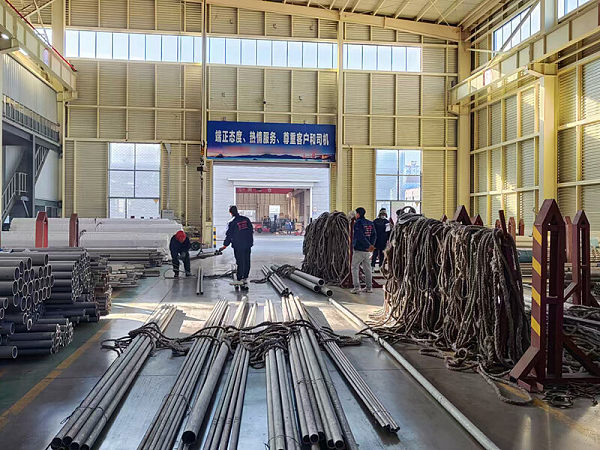
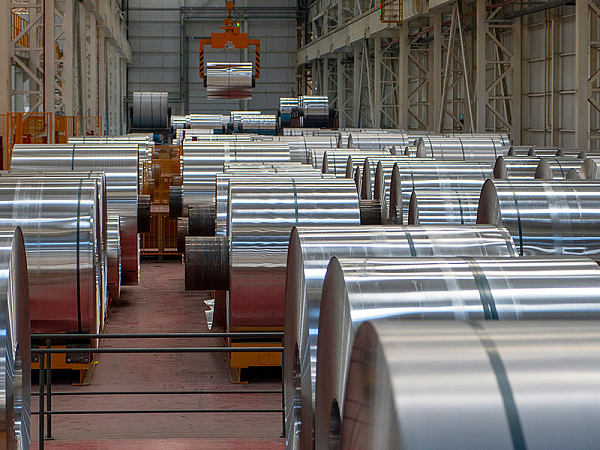
◉ PRODUCTION AND WAREHOUSING
◉ MESSAGE
◉ SIMILAR RECOMMENDED
 Inconel alloy pipe
 Nickel alloy pipe
 Titanium alloy tube
 Monel alloy pipe
 Incoloy alloy pipe
 Hastelloy alloy pipe
 Incoloy alloy bar
 Inconel alloy bar
 Monel alloy bar
 Titanium alloy bar
 Nickel alloy bar
 Hastelloy alloy bar
 Lead ingot
 Inconel alloy plate
 Monel alloy plate
 Titanium alloy plate
 Nickel alloy plate
 Incoloy alloy plate
 Hastelloy alloy plate
 Np550 Wear Resistant Sheet Hot Rolled Steel Plate
 Stainless Steel Channels | Structural Profiles