‹
›
‹
›
◉ PRODUCT SPECIFICATION
Overview
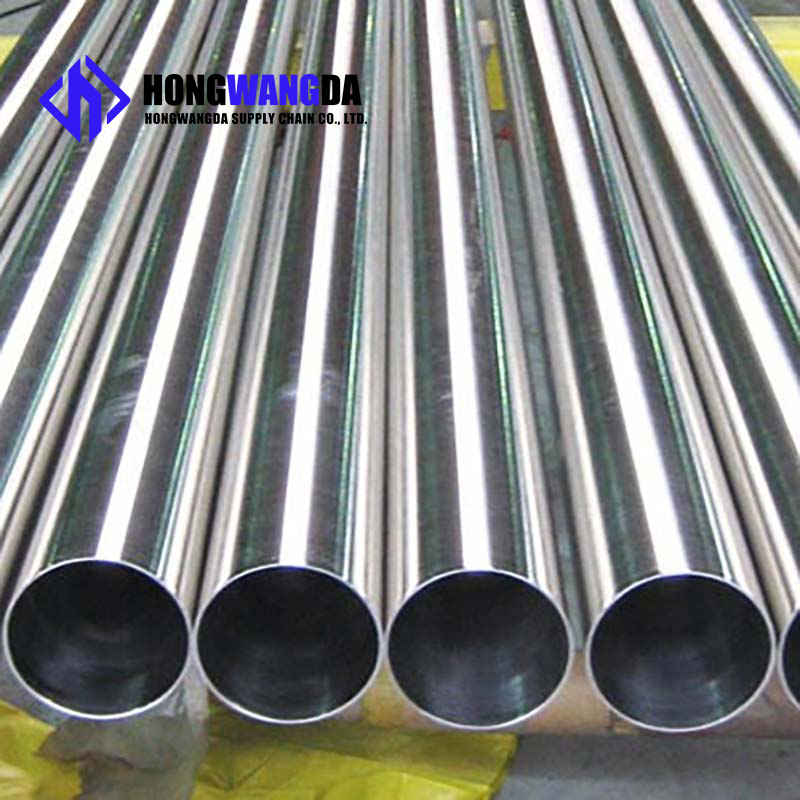
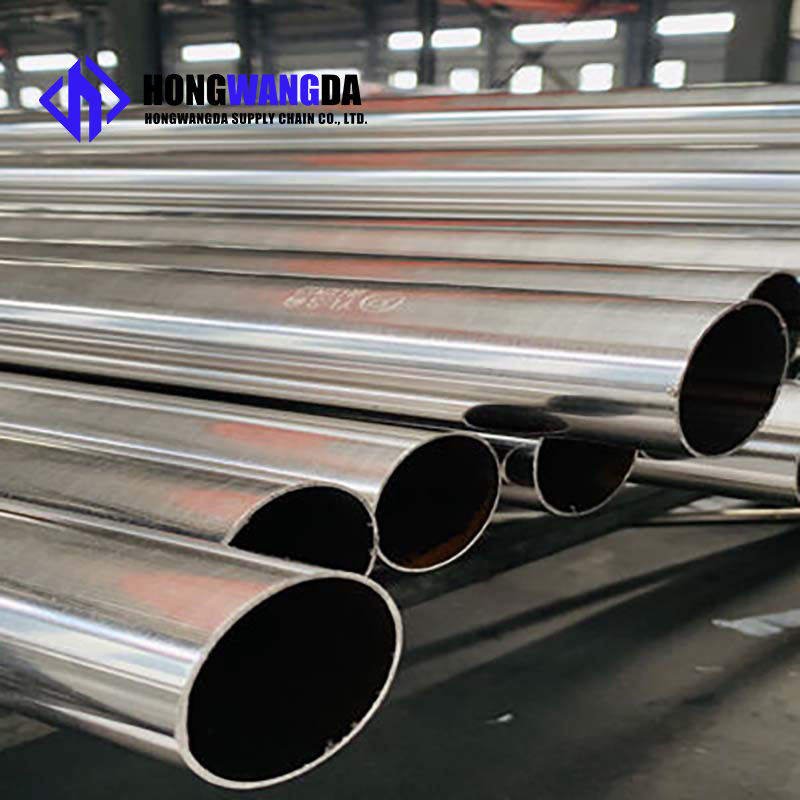
Hastelloy alloy pipes are tubular products manufactured from a family of nickel-based superalloys developed by Haynes International, engineered specifically for extreme corrosion resistance in both oxidizing and reducing environments . These pipes are produced through seamless (extrusion or cold drawing) or welded (with precision TIG/laser welding) processes, serving as critical components for conveying aggressive chemicals, high-temperature gases, and corrosive fluids in the world's most demanding industrial applications .
Hastelloy pipes are specified when stainless steel, duplex, and even Inconel grades cannot withstand the corrosive media . The alloy family encompasses multiple grades optimized for specific service conditions—from the universal corrosion resistance of C-276 for mixed acid environments, through the enhanced oxidizing media performance of C-22, to the specialized reducing acid resistance of B-3 for hydrochloric acid service .
With over 75 years of proven performance in the chemical process industry, HASTELLOY® alloys have become globally recognized for quality and high-performance . These pipes are used in reactors, agitators, heat exchangers, reboilers, columns, piping systems, and thermal oxidizers, providing improved performance over stainless steels, super stainless steels, and duplex stainless steels in both low-temperature and high-temperature service .
Available in sizes ranging from 1/8" to 26" diameter and various schedules (Sch. 10, Sch. 40, etc.), Hastelloy alloy pipes transform the exceptional corrosion resistance of nickel-chromium-molybdenum alloys into reliable fluid handling systems for chemical processing, pharmaceutical manufacturing, pollution control, and nuclear applications .
Key Features
Exceptional Corrosion Resistance Across Multiple Grades: Hastelloy pipes offer outstanding resistance to a wide range of corrosive media, with each grade optimized for specific environments:
C-276: Universal corrosion resistance against sulfuric acid (all concentrations), hydrochloric acid (up to 50°C), phosphoric acid, wet chlorine gas, and ferric/cupric chloride solutions
C-22: Enhanced resistance to oxidizing acids with chlorides, mixed acid environments, and pharmaceutical process streams due to higher chromium content (20-22.5%)
B-3: Exceptional resistance to hydrochloric acid at all concentrations up to boiling, and reducing sulfuric acid conditions
C-2000: Copper addition provides greatly enhanced resistance to sulfuric acid while maintaining high chromium content for oxidizing chemical resistance
G-30/G-35: Specialized resistance to "wet process" phosphoric acid (P2O5) for fertilizer production
Multiple Pipe Types for Varied Applications: Hastelloy pipes are available in several manufacturing types to suit different service requirements :
Seamless Pipes: Manufactured from solid billet through hot extrusion or cold drawing, offering superior structural integrity, higher pressure resistance, and no weak points at weld seams—ideal for high-pressure systems, aerospace components, and critical chemical processing
Welded Pipes: Formed by rolling flat strips and welding the longitudinal seam using precision TIG or laser welding—cost-effective, available in wider size ranges, suitable for moderate-pressure applications
Extruded Pipes: Produced through high-pressure extrusion for exceptional dimensional accuracy and uniform wall thickness—ideal for precision instrumentation and high-purity fluid transfer
Spiral-Wound (Coil) Pipes: Continuous spiral construction offering flexibility for space-constrained installations
Superior Heat Resistance: Hastelloy pipes maintain excellent mechanical strength and oxidation resistance at elevated temperatures—C-22 performs reliably up to 2000°F (1093°C) in intermittent service and 2150°F (1177°C) in continuous service . This thermal stability ensures reliable performance in high-temperature reactors, furnace components, and exhaust systems.
High Strength and Durability: With tensile strength exceeding 690 MPa (100 ksi) and yield strength of 283-310 MPa (41-45 ksi) in annealed condition, Hastelloy pipes outperform standard stainless steels in both static and dynamic loading conditions . This durability translates to extended service life and reduced risk of catastrophic failure in mission-critical systems.
Resistance to Localized Corrosion: Hastelloy alloys provide exceptional protection against pitting, crevice corrosion, intergranular attack, and stress corrosion cracking—particularly important in chloride-rich environments where stainless steels frequently fail . The high chromium content in C-22 imparts exceptional resistance to chloride-induced pitting .
Excellent Weldability and Fabrication: Despite being high-performance superalloys, Hastelloy pipes are remarkably fabricable using standard industrial techniques. They can be readily welded via GTAW/TIG, GMAW/MIG, or SMAW methods without compromising metallurgical properties . Post-weld heat treatment is typically not required, streamlining installation and reducing production time .
NACE/ISO Compliance for Sour Service: Premium grades such as C-22HS® are qualified to NACE MR0175/ISO 15156 Level VII environments with elemental sulfur to 401°F (205°C) and modified Level VII conditions at 550°F (288°C)—the highest level in the specification .
Proven Track Record: HASTELLOY® C-276 alloy, the first wrought nickel-chromium-molybdenum material to alleviate welding concerns, now has a 50-year track record of proven performance in a vast number of corrosive chemicals .
Specifications with Explanation
Hastelloy Alloy Pipe Chemical Composition by Grade (Typical values, wt%)
Typical Mechanical Properties (Annealed Condition)
Physical Properties
Applicable Pipe Standards
Available Pipe Dimensions and Schedules
Common Schedule Availability
Sch. 10: Light wall for general process applications
Sch. 40: Standard wall for moderate pressure service
Sch. 80: Heavy wall for high-pressure applications
Sch. 160: Extra heavy wall for severe service conditions
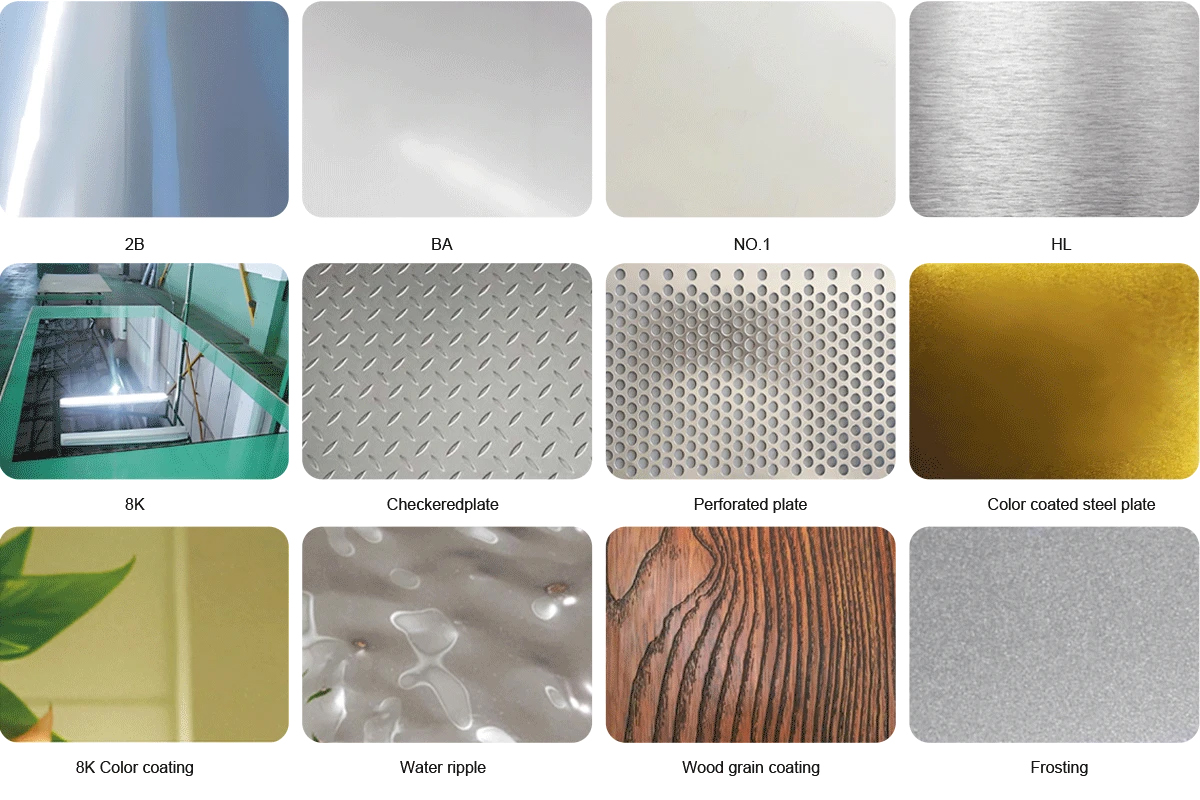
Surface Finishes Available
Solution annealed and pickled (standard)
Bright annealed
Polished (various grits)
Mechanically polished
Sandblasted
Applications
Hastelloy alloy pipes serve as critical fluid handling components across industries where corrosion resistance and high-temperature performance are paramount:
Chemical Processing Industry
Reactor Piping: Transfer lines for corrosive chemicals in batch and continuous processes
Heat Exchanger Tubing: For aggressive media including sulfuric, hydrochloric, and phosphoric acids
Column Internals: Piping within distillation and absorption columns
Reboiler Circuits: For high-temperature heat transfer in corrosive environments
Agitator Shaft Housings: Protective sheathing for mixing equipment
Pharmaceutical Manufacturing
API Reactor Transfer Lines: For active pharmaceutical ingredient synthesis
Clean-in-Place (CIP) Systems: Piping for aggressive cleaning chemicals
High-Purity Water Systems: For corrosive sanitization cycles
Solvent Recovery Systems: Piping for organic solvent handling
Pollution Control and Environmental
Flue Gas Desulfurization (FGD) Systems: Scrubber piping for power plants handling sulfuric acid condensate
Waste Incineration Off-Gas Scrubbing: Piping for corrosive combustion byproducts
Landfill Leachate Treatment: For aggressive liquid waste streams
Industrial Ventilation Systems: Exhaust handling for corrosive vapors
Oil and Gas Industry
Sour Gas Service: Piping for H₂S-containing environments (NACE MR0175 compliant grades)
Offshore Platform Equipment: Seawater handling and chemical injection lines
Subsea Components: Critical piping for deepwater operations
Refinery Process Lines: High-temperature corrosive service
Aerospace and Defense
Hydraulic Systems: High-pressure fluid lines
Fuel Transfer Systems: For corrosive fuel components
Engine Test Stands: Piping for high-temperature exhaust
Rocket Propellant Handling: For aggressive propellants
Nuclear Industry
Fuel Reprocessing: Piping for nuclear fuel recycling
Waste Handling: Transfer lines for radioactive waste streams
Coolant Systems: For specialized nuclear applications
Pulp and Paper Industry
Bleach Plant Piping: For chlorine dioxide and other bleaching chemicals
Digester Circulation: High-temperature alkaline service
Chemical Recovery Systems: Piping for black liquor and recovery chemicals
Marine and Seawater Applications
Seawater Handling Systems: Piping for offshore platforms and desalination plants
Ballast Water Treatment: For corrosive marine environments
Subsea Umbilicals: Hydraulic and chemical lines
Food Processing
Acidic Food Transfer: For fruit juices, sauces, and acidic products
Sanitary Process Lines: Where corrosion resistance and cleanability are essential
Semiconductor Manufacturing
High-Purity Chemical Delivery: For aggressive etchants and cleaning agents
Gas Distribution Systems: For corrosive specialty gases
Comparison: Grade Selection Guide
Buying Guide
Selecting the appropriate Hastelloy alloy pipe requires careful evaluation of service conditions, mechanical requirements, fabrication considerations, and economic factors:
Define Service Environment:
Corrosive Media: Identify specific chemicals, concentrations, and whether oxidizing or reducing conditions prevail
Mixed acids/chlorides: C-276 or C-22
Hydrochloric acid (all concentrations): B-3
Phosphoric acid (fertilizer grade): G-30 or G-35
Sulfuric acid with oxidizing species: C-2000
Temperature Range: Maximum operating temperature and thermal cycling conditions
Up to 500°F (260°C): All grades suitable
500-1000°F (260-538°C): C-276, C-22, C-2000
1000-2000°F (538-1093°C): C-22, 230®, HR-120®
Pressure Requirements: Operating pressure and design margin
Sour Gas Requirements: For H₂S environments, specify NACE MR0175/ISO 15156 compliance
Select Pipe Type Based on Service Criticality :
Seamless Pipe: For high-pressure systems, critical applications, and where weld seam concerns must be eliminated
Welded Pipe: For moderate-pressure applications, larger diameters, and cost-sensitive projects
Extruded Pipe: For precision instrumentation and high-purity applications requiring tight tolerances
Spiral-Wound Pipe: For flexible installations and space-constrained routing
Determine Pipe Dimensions:
Nominal Pipe Size (NPS) : 1/8" through 26" available
Schedule: Sch. 10, 40, 80, 160 based on pressure requirements
Length: Standard 6m or 12m, custom lengths available
Tolerances: Specify required dimensional tolerances per ASTM standards
Verify Specifications and Standards :
Confirm applicable ASTM/ASME standards:
Seamless pipe: ASTM B622 / ASME SB-622
Welded pipe: ASTM B619 / ASME SB-619
Welded tube: ASTM B626 / ASME SB-626
For pressure applications, ensure ASME B31.3 or B31.1 code compliance
For sour service, verify NACE MR0175/ISO 15156 compliance
Consider Fabrication Requirements :
Welding: GTAW/TIG recommended for optimal results; inert gas shielding essential
Bending: Hot bending preferred for tight radii; cold bending with proper tooling possible
Flanging: Machine facings to proper finish for gasket sealing
Post-Weld Treatment: Typically not required, but pickling may restore surface oxide condition
Request Documentation:
Mill Test Certificates (MTC) per EN 10204 3.1/3.2 with:
Heat number and full chemical composition
Complete mechanical property test results
Hydrostatic test certification
Heat treatment records
NACE/ISO certification for sour service grades
Third-party inspection reports for critical applications
Consider Total Cost of Ownership :
Initial Material Cost: Hastelloy pipes cost 15-25x carbon steel, but significantly outperform stainless steel in corrosive environments
Installation Cost: Factor in welding, testing, and inspection
Maintenance Cost: Reduced compared to less corrosion-resistant materials
Service Life: Extended life in corrosive environments justifies premium cost
Downtime Avoidance: Critical for continuous process operations
Plan for Lead Times :
Seamless Hastelloy pipe typically requires 20-30 weeks lead time
Early procurement planning is essential for project scheduling
For large diameters where seamless unavailable, specify welded pipe per ASTM B619 with solution annealing
FAQ
Q1: What is the difference between Hastelloy C-276 and C-22 pipes?
A: The primary difference lies in chromium content and resultant corrosion resistance profiles. C-276 contains 14.5-16.5% chromium and is often called the "universal alloy" due to its broad resistance to both oxidizing and reducing chemicals . C-22 has higher chromium content (20-22.5%), providing significantly better resistance to oxidizing media and mixed acid environments containing chlorides . Both offer excellent resistance to pitting and stress corrosion cracking, but C-22 is preferred where oxidizing conditions predominate.
Q2: What is the difference between seamless and welded Hastelloy pipe?
A: Seamless pipe is manufactured from a solid billet through hot extrusion or cold drawing, resulting in uniform structure throughout with no weld seam. It offers higher pressure ratings and is preferred for critical applications . Welded pipe is formed from flat strip and longitudinally welded using precision TIG or laser welding. It is more cost-effective and available in larger diameters, but the weld zone may have slightly different corrosion characteristics . Both types are typically supplied in solution-annealed condition to optimize corrosion resistance.
Q3: Can Hastelloy pipes be welded, and what filler metal is recommended?
A: Yes, Hastelloy pipes exhibit excellent weldability using standard techniques including GTAW (TIG), GMAW (MIG), and SMAW . For C-276, matching filler metal ERNiCrMo-4 is recommended. For C-22, use ERNiCrMo-10 filler metal. For B-3, use matching B-3 filler. Key requirements include clean surfaces, adequate inert gas shielding (argon), controlled heat input, and interpass temperature control. Post-weld heat treatment is typically not required for corrosion service .
Q4: What is the maximum service temperature for Hastelloy C-22 pipes?
A: Hastelloy C-22 maintains excellent mechanical strength and oxidation resistance up to 2000°F (1093°C) in intermittent service and 2150°F (1177°C) in continuous service . However, for long-term structural applications requiring creep resistance, lower temperature limits may apply. For specific design temperatures, consult material datasheets and applicable code requirements.
Q5: How does Hastelloy compare to stainless steel for corrosion resistance?
A: Hastelloy significantly outperforms stainless steels in aggressive corrosive environments, particularly:
Chloride environments: Hastelloy is virtually immune to chloride stress corrosion cracking, while stainless steels are highly susceptible
Mixed acids: Hastelloy resists combinations of acids where stainless steels rapidly corrode
Hydrochloric acid: Hastelloy B-3 handles HCl at all concentrations up to boiling; stainless steels fail quickly
Wet chlorine gas: Hastelloy C-276 is specified for wet chlorine service; stainless steels are unsuitable
Delivery, Certification & Service
Quality Certification
Material Traceability: Complete heat traceability from melt to finished pipe with unique identification markings per applicable standards
Mill Test Certificates (MTC) : EN 10204 3.1/3.2 compliant certificates provided with every shipment including:
Heat number and full chemical composition analysis per applicable specifications
Complete mechanical property test results (tensile, yield, elongation)
Hardness testing where applicable
Hydrostatic test certification
Heat treatment records (solution annealing temperatures, times)
Ultrasonic inspection reports when specified
Dimensional inspection reports
Third-Party Inspection: Available through Lloyds, DNV, Bureau Veritas, ABS, SGS, TÜV, or customer-nominated agencies
Special Testing Available:
Positive Material Identification (PMI)
Ultrasonic inspection (Flaw detection, wall thickness verification)
Radiographic examination of weld seams (for welded pipe)
Mechanical testing at elevated or cryogenic temperatures
Microstructural evaluation (grain size, precipitate distribution)
Intergranular corrosion testing (ASTM G-28)
Ferrite determination (for weld metal)
NACE MR0175/ISO 15156 compliance verification for sour service
Available Pipe Forms and Dimensions
Common Schedule Availability
Surface Finishes Available
Solution Annealed and Pickled: Standard finish for most pipe applications—oxide-free surface with matte appearance
Bright Annealed: Smooth, bright finish for clean applications
Polished: Various grit finishes (No.4, 180 grit, 320 grit) for sanitary or aesthetic requirements
Mechanically Polished: Uniform finish for specific applications
Sandblasted: Textured finish for coating preparation
As-Welded: For welded pipe without further finishing (rarely specified)
End Finishes
Plain End (PE) : Standard for most pipe shipments
Beveled End (BE) : For field welding preparation
Threaded End (TE) : For mechanical connections (limited availability)
Packaging and Protection
Bundling: Steel-strapped bundles with protective spacers for straight lengths
Wooden Crates: Export-grade wooden boxes for high-value or precision pipes
Individual Wrapping: Protective paper or plastic for polished surfaces
VCI Protection: Vapor Corrosion Inhibitor materials for long-term storage or marine shipment
End Protection: Plastic caps for all pipe ends to prevent debris ingress and bevel damage
Custom Marking: Stenciling, tagging, or stamping per customer specifications
Export Packing: Seaworthy packaging with waterproof lining and fumigation certification as required
After-Sales Technical Support
Material Selection Assistance: Expert guidance on grade selection for specific applications based on service conditions
Welding Support: Procedure recommendations, parameter optimization, and filler metal selection
Fabrication Guidance: Recommendations for bending, forming, and installation
Heat Treatment Guidance: For solution annealing or stress relieving requirements
Failure Analysis: Investigation and analysis of in-service material performance issues
Field Service: On-site technical support for critical applications and large projects
Installation Support: Assistance with proper handling and installation procedures
Delivery Commitment
Stock Items: 1-4 weeks for standard sizes and common grades (limited availability)
Mill Orders: 20-30 weeks for seamless pipe; 12-20 weeks for welded pipe
Express Service: Expedited processing may be available for urgent requirements (premium pricing)
Just-in-Time (JIT) Delivery: Coordinated delivery schedules to support project timelines
Global Logistics: International shipping with full export documentation, customs clearance support
Quality Assurance
All Hastelloy alloy pipes are manufactured in accordance with strict quality management systems, certified to ISO 9001:2015 and applicable industry standards. Production facilities maintain:
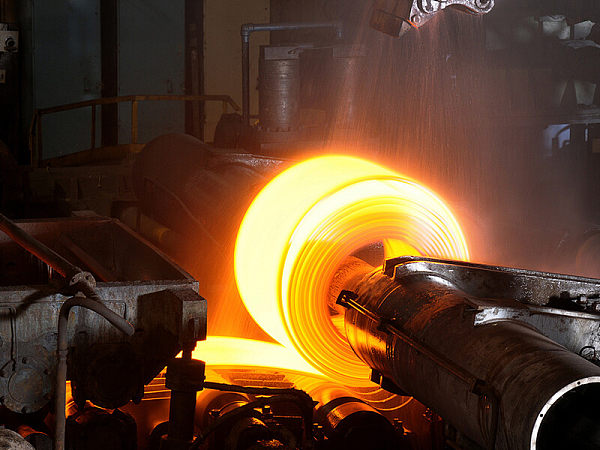
Advanced Melting Capabilities: VIM (Vacuum Induction Melting), VAR (Vacuum Arc Remelting), and ESR (Electroslag Remelting) for optimal purity and homogeneity
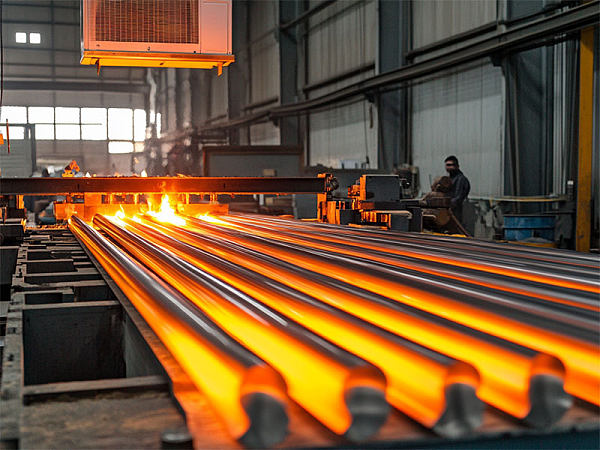
Specialized Tube Manufacturing: State-of-the-art seamless pipe extrusion and cold drawing facilities
Precision Welding: Automated TIG and laser welding systems with real-time quality monitoring
Comprehensive Testing: In-house laboratories with full mechanical, chemical, metallurgical, and non-destructive testing capabilities
Traceability Systems: Computerized tracking from melt to finished product
Industry-Specific Certifications Available
Chemical Processing: ASME B31.3 process piping compliance
Pressure Equipment: PED (Pressure Equipment Directive), ASME Section VIII, ASME B31.1/B31.3
Oil & Gas: NACE MR0175/ISO 15156 compliance
Nuclear: NQA-1, 10CFR50 Appendix B, ASME Section III
Aerospace: AS9100, AMS specifications
Pharmaceutical: FDA compliance for contact surfaces where applicable
◉ Surfcae selection
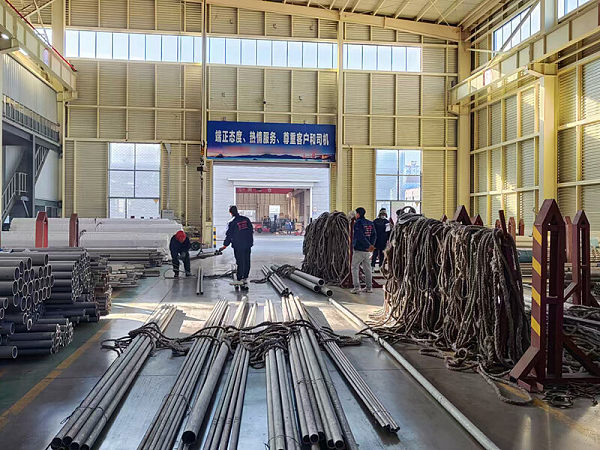
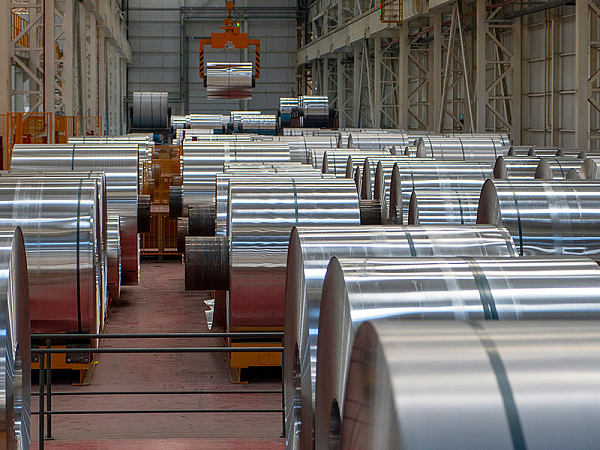
◉ PRODUCTION AND WAREHOUSING
◉ MESSAGE
◉ SIMILAR RECOMMENDED
 Inconel alloy pipe
 Nickel alloy pipe
 Titanium alloy tube
 Monel alloy pipe
 Incoloy alloy pipe
 Hastelloy alloy pipe
 Incoloy alloy bar
 Inconel alloy bar
 Monel alloy bar
 Titanium alloy bar
 Nickel alloy bar
 Hastelloy alloy bar
 Lead ingot
 Inconel alloy plate
 Monel alloy plate
 Titanium alloy plate
 Nickel alloy plate
 Incoloy alloy plate
 Hastelloy alloy plate
 Np550 Wear Resistant Sheet Hot Rolled Steel Plate
 Stainless Steel Channels | Structural Profiles