‹
›
‹
›
◉ PRODUCT SPECIFICATION
Overview
Titanium alloy bars are solid, long metal products manufactured from titanium-based alloys, representing one of the most advanced material solutions in modern engineering. These bars are produced through hot rolling, forging, extrusion, or cold drawing processes, resulting in round, square, flat, or hexagonal cross-sections that serve as the foundation for countless high-performance components across aerospace, medical, chemical, and marine industries .
Titanium possesses two allotropic crystal structures: hexagonal close-packed (α phase) below 882°C and body-centered cubic (β phase) above 882°C. This allotropic behavior forms the basis for the three primary classifications of titanium alloys: α alloys, α+β dual-phase alloys, and β alloys. The most common titanium alloy bar—Ti-6Al-4V (Grade 5)—accounts for nearly 50% of global titanium consumption, offering an exceptional balance of strength, fabricability, and corrosion resistance .
Titanium alloy bars transform the remarkable properties of titanium—exceptional strength-to-weight ratio, outstanding corrosion resistance, and excellent biocompatibility—into versatile engineering stock for manufacturing shafts, fasteners, medical implants, valve components, and structural parts. With a density of approximately 4.43-4.51 g/cm³ (about 45% lighter than steel), tensile strengths ranging from 240 MPa for pure titanium grades to over 1,200 MPa for high-strength alloys, and corrosion resistance that outperforms stainless steel in seawater by factors of 2-5 times , titanium bars offer engineers an unparalleled combination of performance characteristics.
Available in a comprehensive range of grades—from commercially pure titanium (Grades 1-4) for maximum corrosion resistance and formability, through the workhorse Ti-6Al-4V (Grade 5) for structural applications, to specialized alloys like Ti-6Al-2Sn-4Zr-6Mo for high-temperature and sour service—titanium alloy bars provide solutions for the most demanding engineering challenges .
Key Features
Exceptional Strength-to-Weight Ratio: Titanium alloy bars offer mechanical strength comparable to many steels at approximately 45% lighter weight. Grade 5 titanium bars achieve tensile strengths of 900-950 MPa with a density of only 4.43 g/cm³, making them ideal for weight-critical applications in aerospace, automotive, and high-performance equipment .
Outstanding Corrosion Resistance: Titanium forms a stable, self-repairing oxide layer that provides exceptional resistance to seawater, chlorine-rich environments, and various acids. Actual tests show corrosion rates of less than 0.01 mm/year after 90 days continuous exposure to natural seawater. In high humidity, salt spray, and chloride environments, titanium components last 2-5 times longer than conventional stainless steel .
Excellent Biocompatibility: Titanium is biologically inert and non-toxic, making it the material of choice for medical implants. Grades such as Ti-6Al-4V ELI (Grade 23) with Extra Low Interstitial elements meet stringent ISO 13485 and ASTM F136 requirements, ensuring compatibility with human tissue for implantable devices including artificial joints, dental implants, and spinal fixation hardware .
High-Temperature Stability: Titanium alloy bars maintain stable mechanical properties at elevated temperatures, with long-term working capabilities of 350-400°C for Grade 5, and the ability to withstand over 500°C without significant strength loss. They also retain excellent toughness at cryogenic temperatures, making them suitable for LNG systems and aerospace applications with extreme thermal cycling .
Excellent Fatigue Resistance: Annealed Grade 5 titanium bars offer fatigue strength up to 510 MPa and fracture toughness of 55-75 MPa·√m, ensuring reliable performance under vibration and cyclic loading. This makes them ideal for aerospace fasteners, subsea structures, and heavily loaded components .
Good Fabricability with Proper Techniques: While titanium requires specific handling, it can be successfully machined, welded, and formed using appropriate methods. Recommended machining parameters include cutting speeds of 15-50 m/min, feeds of 0.05-0.2 mm/rev, and carbide tools with ample cooling . Welding requires inert gas shielding (O₂ < 50 ppm) using TIG or electron beam methods .
Wide Range of Available Forms: Titanium alloy bars are offered in multiple shapes to suit diverse applications :
Round bars: The most common form for shafts, valves, fasteners, and general machining (2-350mm diameter)
Flat bars: Ideal for structural supports, flanges, medical device blanks, and custom fabrications
Square and hexagonal bars: Preferred for fasteners, fittings, and precision-machined components
Rectangular bars: For specialized structural applications
Hollow bars: For weight reduction or fluid handling applications
Specifications with Explanation
Titanium Alloy Bar Chemical Composition by Grade (Typical values, wt%)
Typical Mechanical Properties
Physical Properties
Applicable Bar Standards
Available Bar Dimensions and Forms
Tolerance Examples (Hot Worked Square Bars)
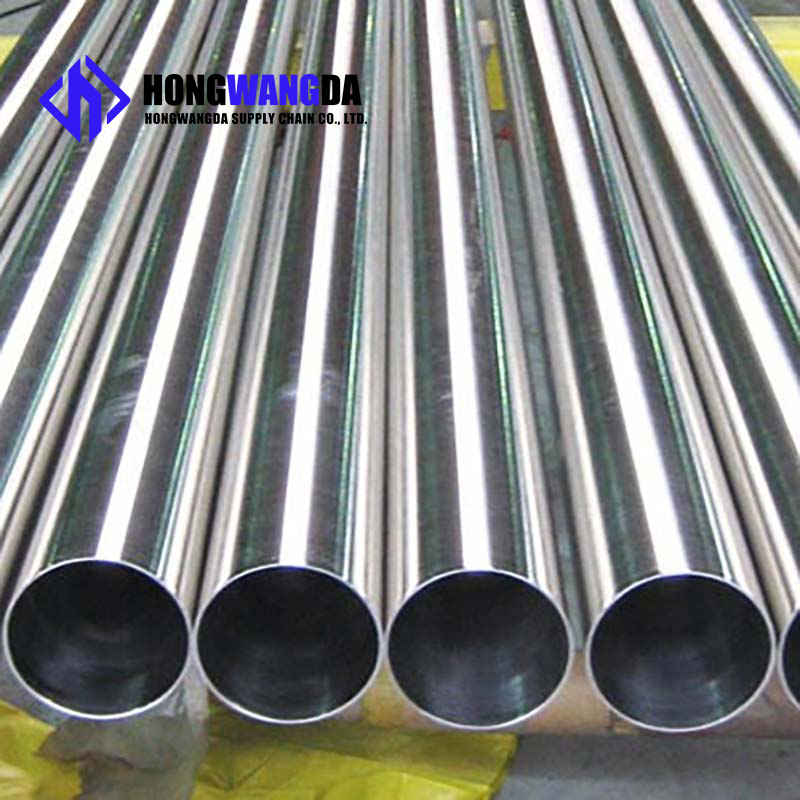
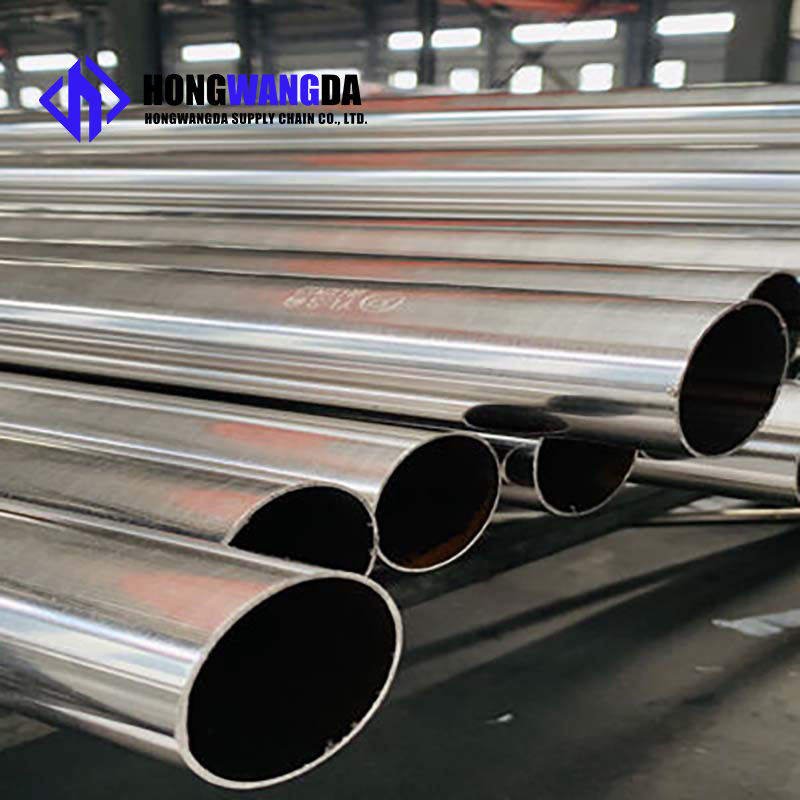
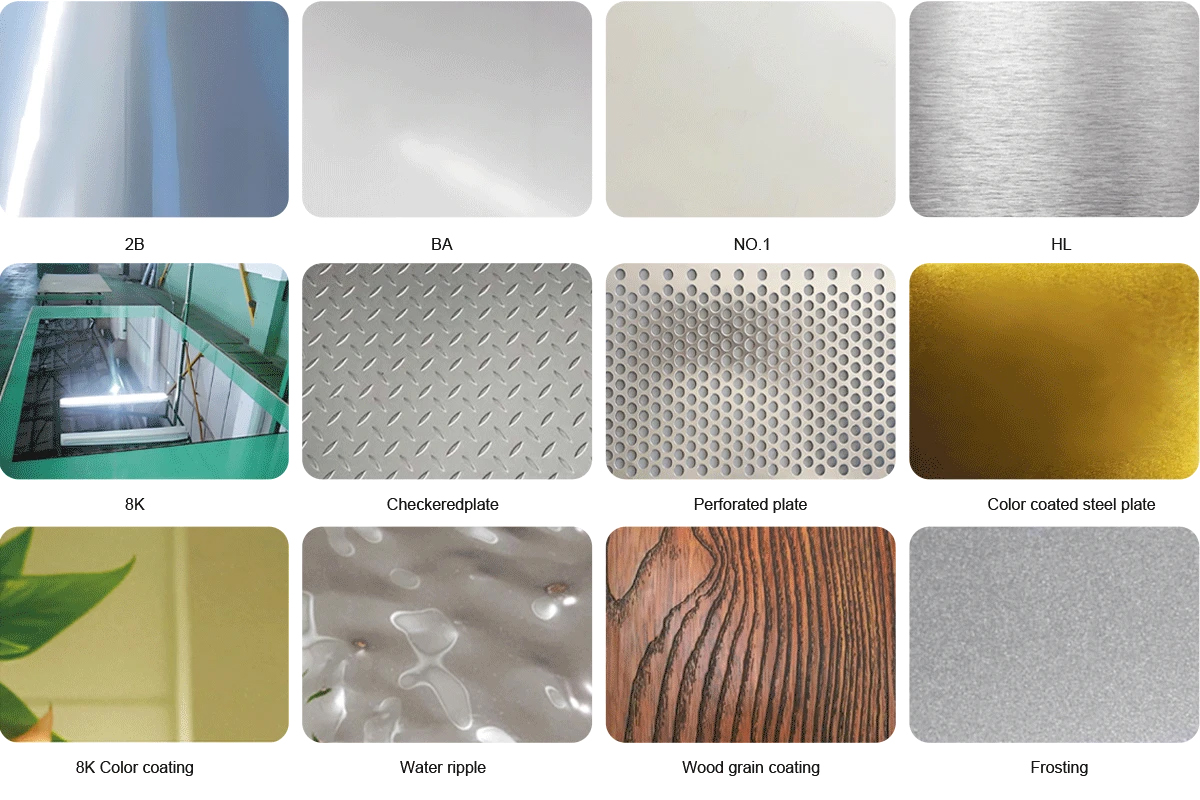
Surface Finishes Available
Acid surface (pickled)
Polished (various grits up to mirror finish Ra ≤ 0.8 µm)
Sand blasted
Bright finish
Anodized (various colors)
Black / as-rolled (for forging stock)
Applications
Titanium alloy bars serve as the essential raw material for countless precision components across industries where strength-to-weight ratio, corrosion resistance, and biocompatibility are critical:
Aerospace and Defense
Aircraft Structural Components: Fuselage reinforcement beams, seat rails, brackets, and connectors requiring lightweight high strength
Engine Parts: Compressor components, fan blades, and support rings for gas turbines
Fasteners: High-strength bolts, screws, and rivets for aircraft assembly
Satellite Components: Load-bearing brackets and structural elements for space applications
Missile and Defense Hardware: Critical components requiring reliability under extreme conditions
Medical and Healthcare
Surgical Implants: Spinal fixation plates, orthopedic bone plates, and dental implants using Grade 23 ELI
Surgical Instruments: Forceps, retractors, and specialized tool components
Medical Device Components: MRI equipment structures, rehabilitation devices, and non-implantable surgical fixtures
Prosthetic Devices: Components requiring biocompatibility and fatigue resistance
Chemical Processing Industry
Valve Components: Stems, seats, and bodies for valves handling corrosive chemicals
Pump Shafts and Impellers: Rotating components in pumps transferring acids and aggressive fluids
Heat Exchanger Components: Tube sheets and baffles for corrosive service
Reactor Internals: Agitator shafts and support grids
Marine and Offshore Engineering
Subsea Components: ROV parts, deep-sea connection blocks, and pressure housings for underwater equipment
Desalination Plants: Tube sheets and support structures for multi-stage flash evaporators
Seawater Piping Systems: Fittings and flanges requiring long-term corrosion resistance
Oil & Gas Drilling: Shafts and housings for drilling tools, subsea wellheads, and riser components
Industrial Applications
High-Performance Automotive: Engine tappets, connecting rods, suspension components, and valve train parts
Power Generation: Turbine components and heat exchanger parts
Scientific Research Equipment: NMR brackets, particle instrument structures, and non-magnetic precision components
Sports Equipment: High-end bicycle frames, golf club components, and sporting goods
Medical and Laboratory Equipment
Clean Room Components: Equipment requiring non-contaminating surfaces
Pharmaceutical Processing: Components for sterile manufacturing environments
Comparison: Grade Selection Guide
Buying Guide
Selecting the appropriate titanium alloy bar requires careful evaluation of service conditions, mechanical requirements, fabrication considerations, and economic factors:
Define Service Environment:
Corrosive Media: Identify specific chemicals, concentrations, and temperature. For seawater and general corrosion, CP grades often suffice. For reducing acids, consider Grade 7 or 12.
Temperature Range: Maximum operating temperature
CP Grades: Up to 300°C
Grade 5: Up to 400°C for long-term service
High-temperature alloys: Up to 540°C
Mechanical Loading: Static, cyclic, or impact loading. For high fatigue applications, Grade 5 is preferred .
Biocompatibility Requirements: For implantable devices, specify Grade 23 (ELI) with ASTM F136 certification .
Select Alloy Grade:
Commercially Pure Grades 1-4: For corrosion resistance with moderate strength requirements
Grade 1: Maximum formability, chemical equipment
Grade 2: General purpose, marine, industrial
Grade 3: Higher strength, chemical processing
Grade 4: Highest strength pure titanium
Grade 5 (Ti-6Al-4V): For high-strength structural applications requiring excellent fatigue resistance
Grade 23 (Ti-6Al-4V ELI): For medical implants and critical fracture-critical applications
Specialty Alloys: For elevated temperature or specialized environments
Determine Bar Form and Dimensions:
Round Bar: For shafts, valves, general machining (2-350mm diameter)
Flat Bar: For structural supports, flanges, medical device blanks (thickness 2-300mm, width 10-300mm)
Square/Hex Bar: For fasteners, fittings, tool stock
Custom Shapes: Available for specialized applications
Specify diameter/size, length, and tolerance requirements
Specify Condition and Finish:
Annealed (M): Softest, most machinable, suitable for extensive machining
Hot Rolled (R): Standard finish for general applications
Cold Rolled/Cold Drawn (Y): Tighter tolerances, improved surface finish
Forged: For large sections or specialized grain flow requirements
Surface Finish: Acid surface, polished, sandblasted, or anodized as required
Verify Specifications and Standards:
Confirm applicable ASTM/ASME standards:
CP Grades: ASTM B348 / ASME SB-348, ASTM F67 (medical)
Grade 5: ASTM B348 / ASME SB-348, AMS 4928, AMS 6931
Grade 23: ASTM B348 / ASME SB-348, ASTM F136, ISO 5832-3
For aerospace applications, verify AMS specifications
For medical implants, ensure ASTM F136 compliance
For defense applications, verify MIL-T-9047G
Consider Fabrication Requirements:
Machining: Plan for appropriate speeds/feeds (15-50 m/min) and carbide tooling
Welding: Requires inert gas shielding (O₂ < 50 ppm)
Forming: Consider minimum bend radii (typically 3x thickness for cold bending)
Request Documentation:
Mill Test Certificates (MTC) per EN 10204 3.1/3.2 with:
Heat number and full chemical composition
Complete mechanical property test results
Heat treatment records
PMI (Positive Material Identification) certification when required
Third-party inspection reports for critical applications
FAQ
Q1: What is the difference between Grade 5 and Grade 23 titanium bars?
A: Both are Ti-6Al-4V alloys, but Grade 23 is an "Extra Low Interstitial" (ELI) version with tighter control of oxygen, nitrogen, carbon, and hydrogen. Oxygen content in Grade 23 is limited to 0.13% max compared to 0.20% max in Grade 5 . This results in improved ductility and fracture toughness for Grade 23, making it the preferred choice for medical implants and critical fracture-critical applications. Grade 5 (standard) offers slightly higher strength and is more commonly used for general structural applications .
Q2: What is the maximum service temperature for Grade 5 titanium bars?
A: Grade 5 (Ti-6Al-4V) titanium bars maintain stable mechanical properties for long-term continuous service up to approximately 400°C (750°F) . For short-term exposure, they can withstand temperatures above 500°C without significant strength loss. For applications requiring higher temperature capability, consider specialized high-temperature alloys like Ti-6Al-2Sn-4Zr-6Mo or Ti-6242.
Q3: Can titanium bars be welded, and what precautions are required?
A: Yes, titanium bars can be successfully welded using GTAW (TIG) or electron beam welding methods. Critical requirements include :
Inert gas shielding (argon or helium) on both weld face and root with oxygen levels below 50 ppm
Absolutely clean surfaces free of oils, grease, and oxides
Matching filler metal composition
Controlled heat input to prevent contamination
Contamination by oxygen, nitrogen, or hydrogen can cause embrittlement and must be strictly avoided.
Q4: Are titanium alloy bars magnetic?
A: No, titanium and its alloys are non-magnetic . This property is valuable in applications requiring non-magnetic materials, such as medical imaging equipment (MRI), electronic housings, and certain aerospace components. The non-magnetic nature also contributes to titanium's biocompatibility for medical implants.
Q5: How does titanium compare to stainless steel for corrosion resistance?
A: Titanium offers significantly superior corrosion resistance compared to stainless steels in many environments, particularly :
Seawater and chloride environments (titanium is virtually immune to pitting and crevice corrosion)
Actual tests show corrosion rates <0.01 mm/year after 90 days in natural seawater
Service life in high humidity and salt spray is 2-5 times longer than stainless steel
Wet chlorine gas and hypochlorite solutions
However, titanium can be attacked by certain reducing acids at elevated concentrations, where specialized stainless steels or nickel alloys may be preferred.
Delivery, Certification & Service
Quality Certification
Material Traceability: Complete heat traceability from ingot to finished bar with unique identification markings per applicable standards
Mill Test Certificates (MTC) : EN 10204 3.1/3.2 compliant certificates provided with every shipment including :
Heat number and full chemical composition analysis per applicable specifications
Complete mechanical property test results (tensile, yield, elongation)
Heat treatment records
Ultrasonic inspection reports when specified
Third-Party Inspection: Available through Lloyds, DNV, Bureau Veritas, ABS, SGS, TÜV, or customer-nominated agencies
Special Testing Available :
Positive Material Identification (PMI) spectrum analysis
Ultrasonic inspection (Flaw detection per AMS 2631)
Mechanical testing at elevated or cryogenic temperatures
Microstructural evaluation (grain size, alpha case depth)
Hardness testing (Rockwell or Brinell)
Dimensional re-inspection
Available Bar Forms and Dimensions
Cutting Tolerances
Surface Finishes Available
Acid Surface / Pickled: Standard industrial finish (Ra≈3.2 µm)
Sand Blasted: Medium finish (Ra≈1.6 µm) for improved coating adhesion
Mechanical Polished: Fine finish (Ra≤0.8 µm) for medical and clean applications
Mirror Polished: Precision finish (Ra≤0.2 µm) for highest requirements
Anodized: Various colors (industrial gray, blue, gold) for appearance or functional purposes
Bright Finish: Cold drawn smooth surface
Black / As-Rolled: For forging stock or further processing
Packaging and Protection
Vacuum Bag Sealing: For high-value or precision bars
VCI Protection: Vapor Corrosion Inhibitor film for long-term storage or marine shipment
Foam Spacers: Between bars to prevent surface damage
Wooden Crates: Export-grade plywood boxes for international shipping
Steel Frames: For large diameter bars
End Protection: Plastic caps for precision bars to prevent end damage
Custom Marking: Stenciling, tagging, or stamping per customer specifications
Shipping Options:
FedEx/DHL express for urgent orders ≤50 kg
Air freight, sea freight, or full container for large orders
After-Sales Technical Support
Material Selection Assistance: Expert guidance on grade selection for specific applications based on service conditions
Machining Recommendations: Technical guidance on speeds, feeds, and tooling for optimal machinability
Welding Support: Procedure recommendations and parameter optimization
Forming Guidance: Recommendations for bending radii and forming parameters
Heat Treatment Guidance: For annealing or stress relieving requirements
Failure Analysis: Investigation and analysis of in-service material performance issues
Fabrication Support: Water jet cutting, CNC milling, drilling, and chamfering services available
Free Sample Evaluation: For alloy selection validation
Delivery Commitment
Stock Items: 48 hours to 1-2 weeks for standard sizes and common grades (Grade 2, Grade 5)
Mill Orders: 8-12 weeks for non-standard dimensions, specialty alloys, or special certification requirements
Express Service: 48-hour shipping for urgent small orders (≤50 kg)
Just-in-Time (JIT) Delivery: Coordinated delivery schedules to support lean manufacturing
Global Logistics: International shipping with full export documentation, customs clearance support
Quality Assurance
All titanium alloy bars are manufactured in accordance with strict quality management systems, certified to ISO 9001:2015 and applicable industry standards. Production facilities maintain :
Advanced Melting Capabilities: Multiple vacuum melting processes for optimal purity
Precision Thermomechanical Processing: Optimized hot working (rolling/forging/extrusion) and heat treatment cycles
Precision Finishing: State-of-the-art cold drawing, grinding, and turning equipment
Comprehensive Testing: In-house laboratories with full mechanical, chemical, and non-destructive testing capabilities
Process Certifications: Factory certifications including ISO 9001, AS9100 (aerospace), ISO 13485 (medical)
Industry-Specific Certifications Available
Aerospace: AS9100, Nadcap, AMS specifications (AMS 4928, AMS 6931, AMS 4930)
Medical: ISO 13485, FDA compliance, ASTM F136 (implants), ASTM F67 (non-implants)
Defense: MIL-T-9047G, ITAR compliance
Pressure Equipment: PED (Pressure Equipment Directive) where applicable
Oil & Gas: NACE MR0175/ISO 15156 compliance where applicable
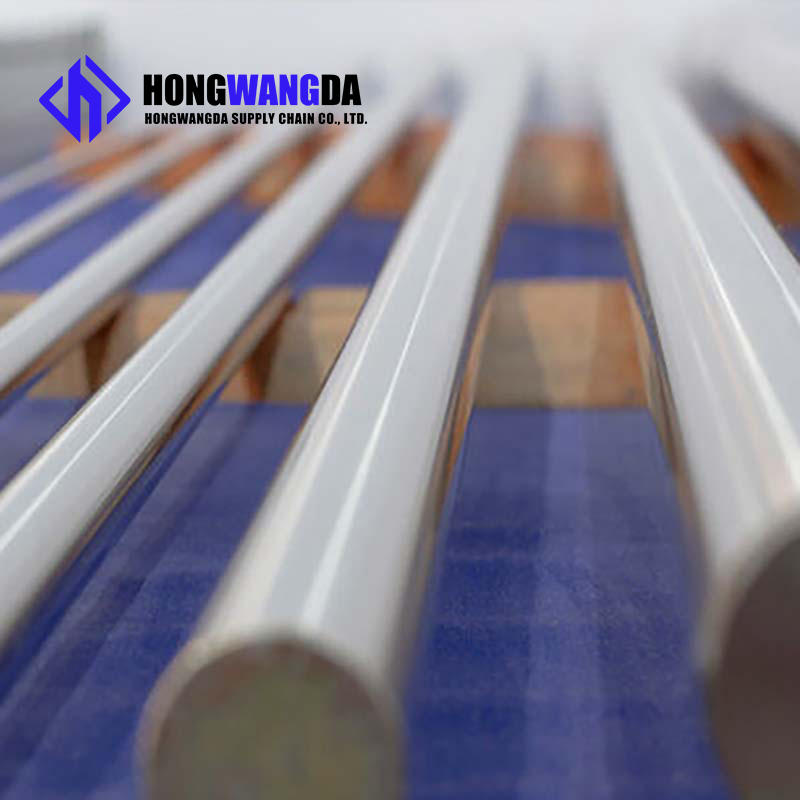
◉ Surfcae selection
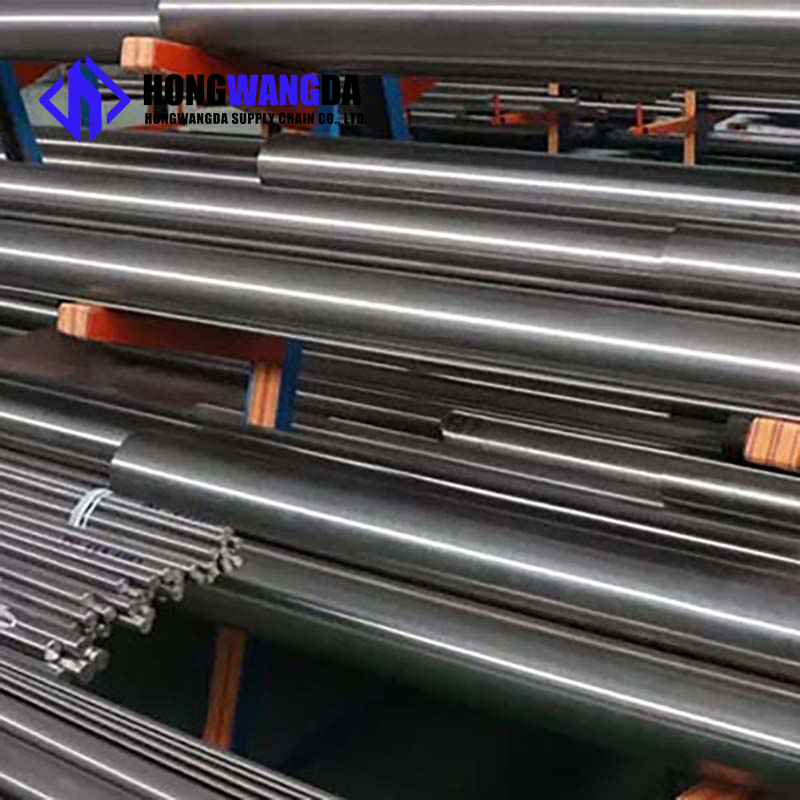
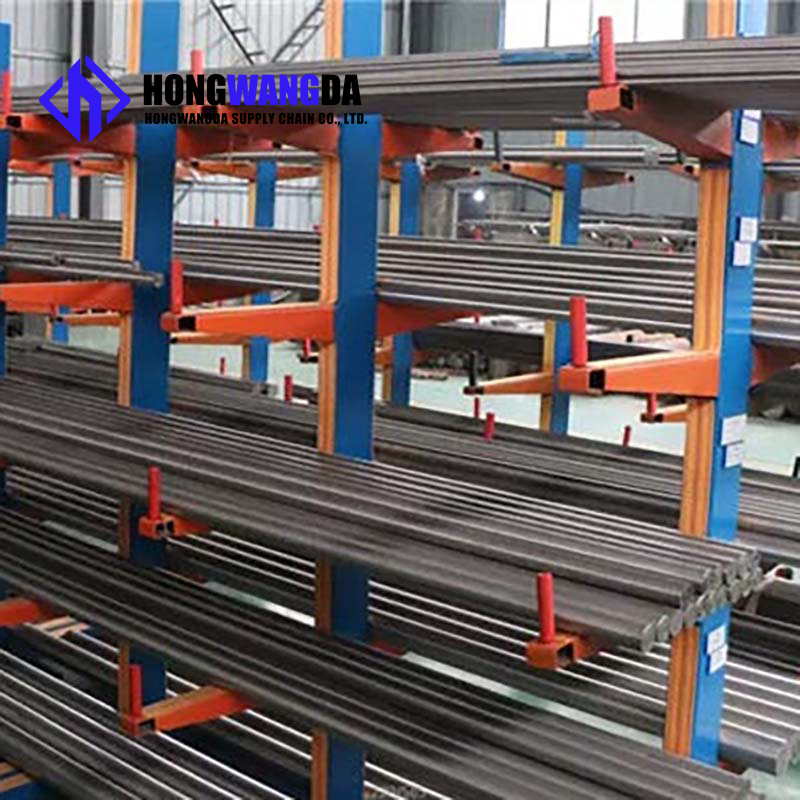
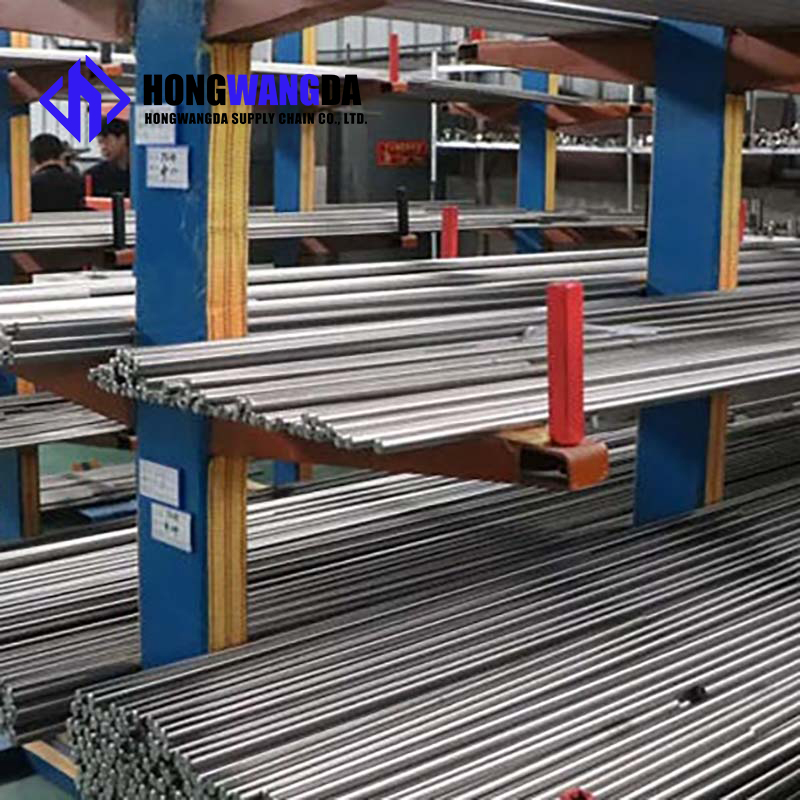
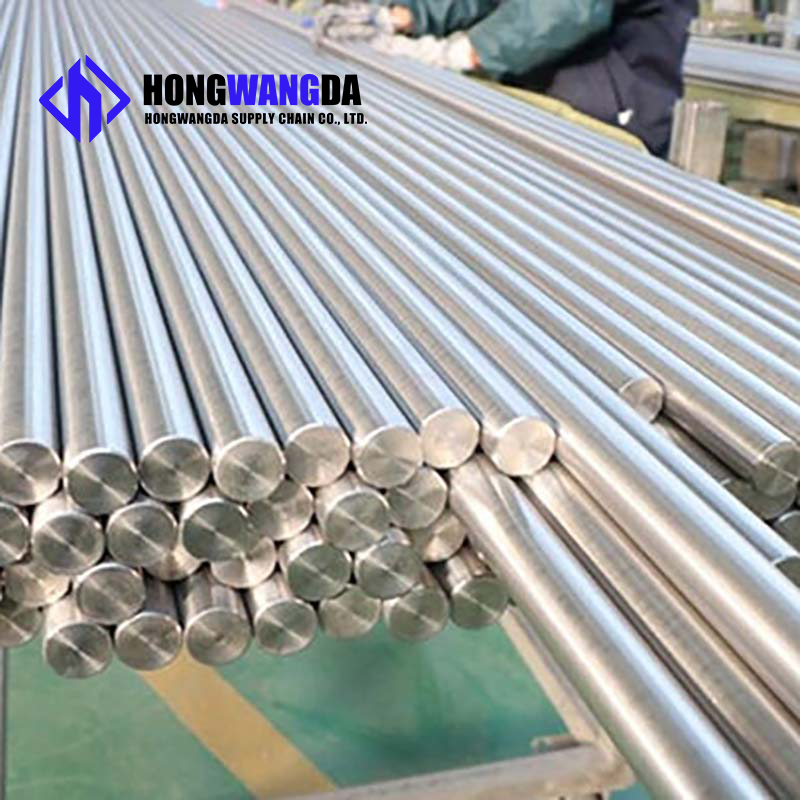
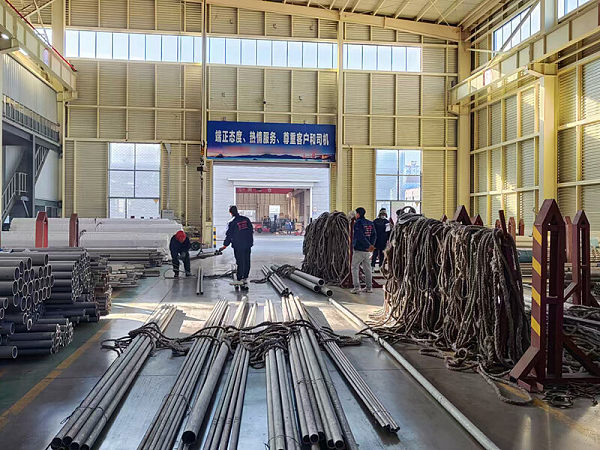
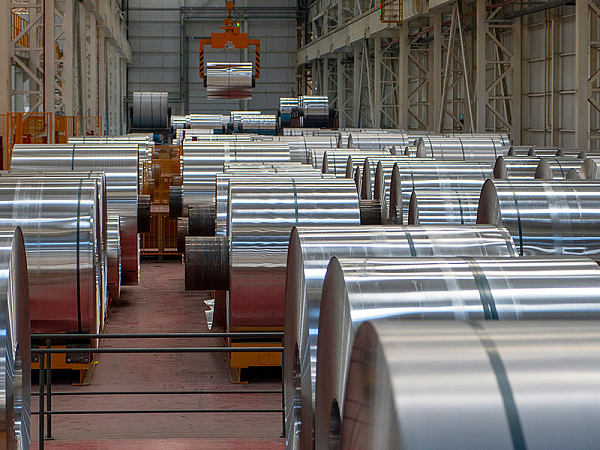
◉ PRODUCTION AND WAREHOUSING
◉ MESSAGE
◉ SIMILAR RECOMMENDED
 Inconel alloy pipe
 Nickel alloy pipe
 Titanium alloy tube
 Monel alloy pipe
 Incoloy alloy pipe
 Hastelloy alloy pipe
 Incoloy alloy bar
 Inconel alloy bar
 Monel alloy bar
 Titanium alloy bar
 Nickel alloy bar
 Hastelloy alloy bar
 Lead ingot
 Inconel alloy plate
 Monel alloy plate
 Titanium alloy plate
 Nickel alloy plate
 Incoloy alloy plate
 Hastelloy alloy plate
 Np550 Wear Resistant Sheet Hot Rolled Steel Plate
 Stainless Steel Channels | Structural Profiles