‹
›
‹
›
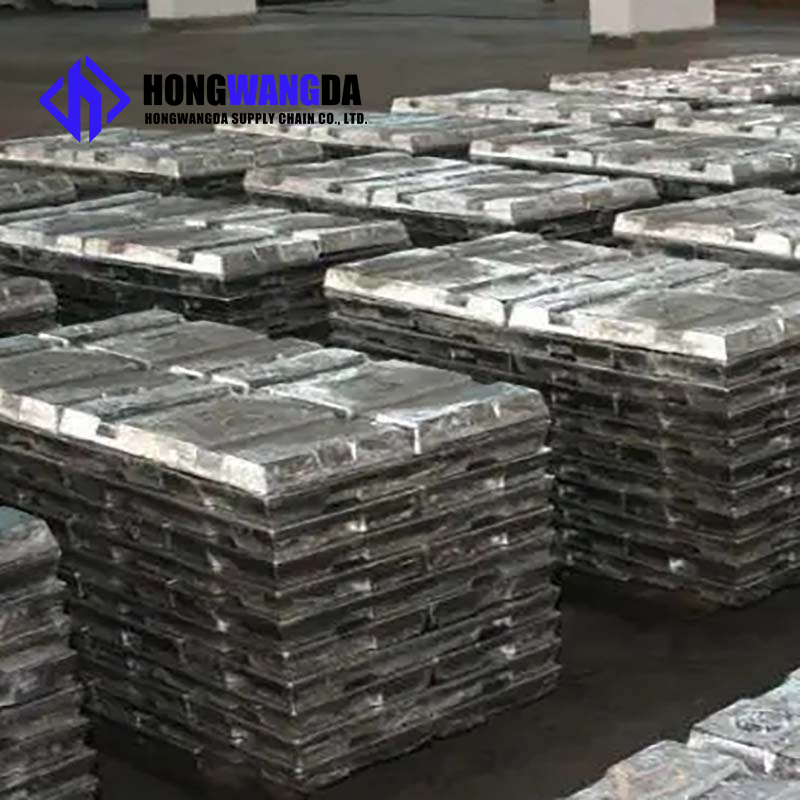
Lead ingots are divided into small and large ingots. The ingot is rectangular trapezoid, with bundling grooves at the bottom and protruding ears at both ends. The large ingot is trapezoidal, with T-shaped convex block at the bottom, and a grasping groove on both sides.
Lead ingots are rectangular, with protruding ears at both ends, blue-white metal, soft. The density is 11.34g/cm3 and the melting point is 327℃
◉ PRODUCT SPECIFICATION
Overview
Lead ingots are cast masses of refined lead metal, typically shaped into rectangular bars or "pigs" for ease of handling, storage, transportation, and remelting . As one of the most widely used non-ferrous metals in human history, lead is valued for its high density, exceptional corrosion resistance, low melting point, and remarkable ability to attenuate radiation .
Lead ingots serve as the foundational raw material for a vast array of industrial applications, from the ubiquitous lead-acid batteries that start our vehicles and store renewable energy, to radiation shielding that protects patients and workers in medical and nuclear facilities, to ballast weights that stabilize ships and sailboats . Produced through either primary smelting of mined ore or secondary recycling of scrap lead (which now accounts for a significant portion of global supply), lead ingots are available in various purity grades and alloy compositions to meet diverse end-use requirements .
With the chemical symbol Pb (from the Latin plumbum) and atomic number 82, lead is a dense, soft, malleable, and ductile metal that exhibits excellent castability and formability . Its unique combination of physical and chemical properties ensures its continued importance in modern industry, particularly as demand grows for energy storage solutions and strategic materials for national defense and infrastructure .
Key Features
Exceptional Density for Weight and Shielding: Lead is one of the densest common metals (11.34 g/cm³), providing unparalleled efficiency for applications requiring high mass in limited space, such as counterweights, ballast, and radiation shielding . This high density makes it the material of choice for protecting against X-rays and gamma radiation in medical, nuclear, and industrial settings.
Superior Corrosion Resistance: Lead forms a protective oxide, sulfate, or carbonate layer on its surface when exposed to air, water, or various chemicals, rendering it highly resistant to corrosion in diverse environments, including soil, seawater, and many acidic conditions . This durability ensures long service life in applications like cable sheathing, roofing, and chemical equipment.
Excellent Metallurgical Properties: With a low melting point (327.5°C), lead is easy to cast and alloy with other metals such as antimony, tin, and calcium . These alloying elements enhance mechanical strength, hardness, and specific performance characteristics. Antimony, for example, adds rigidity to lead-antimony plates used in batteries .
Complete Recyclability: Lead is one of the most recycled materials in the world. Lead-acid batteries, which consume the majority of lead production, are recycled at rates exceeding 99% in many regions, creating a sustainable circular economy . Secondary lead production now constitutes a major portion of total supply.
Unique Electrochemical Properties: Lead's electrochemical characteristics are ideally suited for energy storage. Lead-acid batteries remain the dominant technology for automotive starting-lighting-ignition (SLI) applications, industrial backup power (stationary batteries), and motive power for equipment like forklifts (traction batteries) .
Strategic Importance: Lead is recognized as a strategically significant metal, particularly for national defense applications including military vehicles, ammunition, nuclear facilities, and radiation shielding for critical infrastructure .
Specifications with Explanation
Lead Ingot Chemical Composition by Grade (Typical values)
Typical Mechanical and Physical Properties (Pure Lead)
Applicable Standards
Common Lead Ingot Specifications
Typical Ingot Weights and Forms
Applications
Lead ingots serve as the essential raw material for a diverse range of industries and end-use applications:
Lead-Acid Batteries (Approximately 75-80% of Global Lead Consumption)
SLI Batteries (Starting-Lighting-Ignition) : The largest single application, accounting for over half of total lead demand. These batteries power automobiles, light vehicles, motorcycles, boats, and golf carts. Replacement demand in mature markets outstrips original equipment by approximately 4:1 .
Industrial Batteries: Consuming about a quarter of total lead production, this sector divides roughly equally into:
Stationary Batteries: Backup power for telecommunications, data centers, hospitals, emergency lighting, and uninterruptible power supplies (UPS) .
Traction Batteries: Motive power for electric forklifts, pallet jacks, airport ground equipment, and motorized wheelchairs .
Energy Storage Systems: Grid-scale battery storage for renewable energy integration (solar and wind power) .
Electric Vehicles and Bicycles: Lead-acid batteries power many electric two-wheelers, tricycles, and low-speed electric vehicles, particularly in developing markets .
Radiation Shielding
Medical Facilities: X-ray rooms, CT scanners, nuclear medicine departments, and radiation therapy centers use lead sheet, bricks, and lined walls for protection .
Nuclear Industry: Shielding for nuclear power plants, research reactors, fuel processing facilities, and waste storage .
Industrial Radiography: Portable shielding for non-destructive testing (NDT) applications.
Military and Defense: Shielding for nuclear facilities, naval vessels, and specialized equipment .
Ballast and Counterweights
Marine Applications: Sailboat keels (often using 3% or 6% antimonial lead), ship ballast, and underwater equipment stabilization .
Industrial Counterweights: Forklift counterweights, elevator balance weights, crane counterweights, and machinery balancing .
Sports Equipment: Golf club weights, diving weights, and sporting goods balancing.
Alloys and Chemical Industry (Approximately 20% of Non-Battery Applications)
Solders: Lead-tin and lead-free solders for electronics, plumbing, and automotive radiators .
Brass and Bronze: Lead additions improve machinability of copper alloys (leaded brass, free-machining brass).
PVC Stabilizers: Lead compounds stabilize polyvinyl chloride during processing and against heat/light degradation .
Pigments: Lead chromate and other pigments for industrial paints and coatings .
Ammunition: Lead shot and bullets for hunting, sport shooting, and military applications .
Bearing Alloys: Lead-based bearing materials (Babbitt metals) for internal combustion engines and industrial machinery .
Cable Sheathing
Underwater Power Cables: Lead sheathing provides impermeable, corrosion-resistant protection for high-voltage submarine power cables .
Communication Cables: Historical use in underground telephone and telegraph cables .
Building and Construction
Roofing and Flashing: Lead sheet provides durable, corrosion-resistant weatherproofing for historic buildings, churches, and architectural details .
Soundproofing: Lead sheet and lead-laminated materials for acoustic isolation in recording studios, theaters, and mechanical rooms.
Vibration Damping: Lead layers in composite materials for noise and vibration control.
Comparison: Grade Selection Guide
Buying Guide
Selecting the appropriate lead ingot grade requires careful evaluation of end-use requirements, regulatory considerations, and supply chain factors:
Define End-Use Application:
Battery Manufacturing: Specify antimony content (typically 2-6% for grids, 1-3% for other components) or pure lead for certain battery types .
Radiation Shielding: Require high-purity lead (99.97% minimum) to ensure consistent density and shielding performance . ASTM B29 compliance is typically specified.
Ballast/Counterweights: Consider cost-effective G2 ballast grade or antimonial lead for improved durability .
Chemical Applications: Specify high-purity grades (99.99% or 99.999%) to avoid contamination .
Determine Purity Requirements:
99.994% (1#) Lead: For critical applications requiring maximum purity, including specialized chemical processes and nuclear applications .
99.97% Lead: Standard pure lead grade per ASTM B29 for most industrial and shielding applications .
99.9% Lead: Commercial purity for general applications where trace impurities are acceptable .
G2 Ballast Grade (96.5% min): Economical option for non-critical applications where cost is primary driver .
Consider Alloying Requirements:
Antimonial Lead: Specify antimony percentage (1-12% depending on application) for enhanced mechanical properties .
Custom Alloys: Work with suppliers to develop specific alloy compositions for specialized applications .
Verify Specifications and Standards:
For North American applications, confirm ASTM B29 compliance for pure lead .
For Chinese domestic market or exports to China, ensure GB/T 469-2023 compliance .
For European applications, verify EN 12659 compliance.
Consider Ingot Size and Form:
Small ingots (10 lb): Suitable for laboratory use, small foundries, and custom applications .
Standard industrial ingots (50-70 lb): Most common for battery manufacturing, shielding fabrication, and general industrial remelting .
Large ingots/pigs: For bulk remelting operations and large-scale foundries .
Custom shapes: Available for specialized applications like sailboat keels or counterweights .
Evaluate Supply Chain and Logistics:
Minimum Order Quantities (MOQ) : Commercial suppliers typically require minimum orders of 500 lbs or more .
Lead Time: Standard stock items typically 1-2 weeks; custom alloys or special grades may require 4-8 weeks.
Global Sourcing Considerations: Be aware of geopolitical factors affecting supply from key producing regions .
Request Documentation:
Mill Test Certificates (MTC) with heat number, chemical analysis, and certification of compliance with applicable standards.
Certificate of origin for international shipments.
FAQ
Q1: What is the difference between "lead ingot" and "pig lead"?
A: The terms are essentially synonymous. "Pig lead" historically refers to lead cast into simple molds (originally resembling a sow suckling piglets, with smaller ingots as "pigs"). Today, both terms refer to cast lead masses—typically bars or blocks—produced for remelting or further processing. "Lead ingot" is the more contemporary and internationally recognized term, while "pig lead" remains common in traditional foundry and ballast applications .
Q2: Is all lead ingot pure lead, or are alloyed versions available?
A: Lead ingots are available in both pure and alloyed forms. Pure lead grades (99.97%, 99.99%, 99.999%) are used for applications requiring maximum corrosion resistance and ductility. Alloyed versions, particularly antimonial lead (containing 1-12% antimony), offer enhanced mechanical strength, hardness, and specific properties for battery grids, bearings, and cast components . Other alloying elements include tin, calcium, and copper for specialized applications .
Q3: What is the current market price for lead ingots?
A: Lead ingot prices fluctuate based on global supply and demand, LME (London Metal Exchange) trading, geopolitical factors, and regional market conditions. As of late February 2026, the National Bureau of Statistics of China reported 1# lead ingot prices at approximately RMB 16,531 per ton (about USD 2,280/ton at current exchange rates) . LME three-month lead futures traded around USD 1,963 per ton in early March 2026 . For current pricing, consult commodity exchanges, industry publications, or request quotes from suppliers.
Delivery, Certification & Service
Quality Certification
Material Traceability: Complete heat/lot traceability from refining/casting to finished ingot with identification markings per applicable standards
Mill Test Certificates (MTC) : EN 10204 3.1/3.2 compliant certificates provided with shipments including:
Heat/lot number and full chemical composition analysis
Certification of compliance with applicable standards (ASTM B29, GB/T 469, etc.)
Trace element analysis (bismuth, silver, copper, etc.)
Third-Party Inspection: Available through Lloyds, SGS, Bureau Veritas, or customer-nominated agencies
Available Product Forms and Dimensions
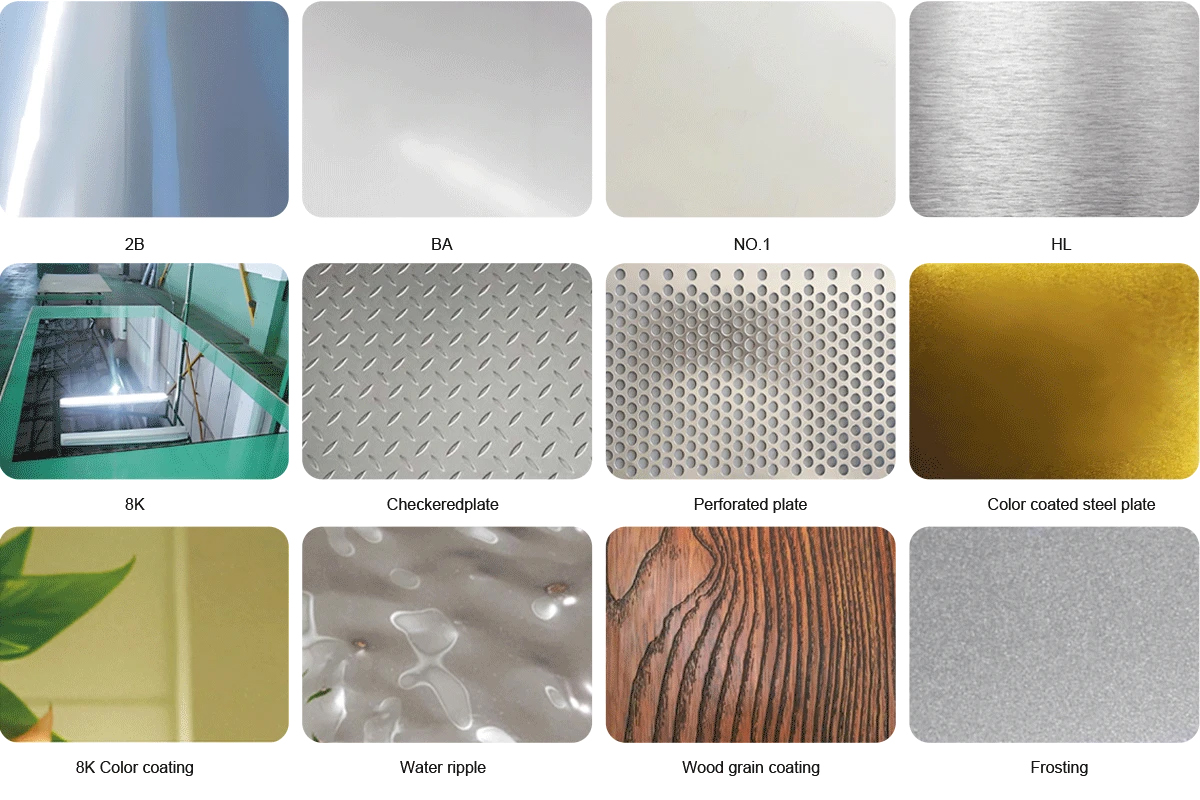
Surface Finishes
As-cast surface (typical for industrial ingots)
Cleaned/dressed ingots (surface oxides removed)
Stackable designs for efficient palletizing
Packaging and Protection
Palletized Bundles: Steel-strapped pallets for efficient handling and transport
Shrink Wrap: Protective wrapping for weather resistance during storage/shipping
Export Packaging: Specialized packaging for international shipments
Custom Marking: Stenciling, tagging, or stamping per customer specifications
After-Sales Technical Support
Material Selection Assistance: Guidance on grade selection for specific applications
Alloy Development Support: Assistance with developing custom alloy compositions
Application Engineering: Technical support for casting, alloying, and fabrication processes
Safety and Handling Guidance: Documentation and support for safe material handling
Delivery Commitment
Stock Items: 1-2 weeks for standard grades and ingot sizes
Mill Orders: 4-8 weeks for custom alloys, special grades, or large volume requirements
Express Service: Expedited processing available for urgent requirements
Just-in-Time (JIT) Delivery: Coordinated delivery schedules for manufacturing operations
Quality Assurance
Lead ingot suppliers typically maintain quality management systems certified to ISO 9001:2015. Production facilities may also maintain certifications including:
ISO 14001 (Environmental Management)
ISO 50001 (Energy Management)
ISO 45001 (Occupational Health and Safety)
Regulatory Compliance
REACH (EU chemicals regulation)
RoHS (Restriction of Hazardous Substances) where applicable
TSCA (Toxic Substances Control Act) compliance for US markets
Local environmental and safety regulations in country of origin and destination
◉ Surfcae selection
◉ PRODUCTION AND WAREHOUSING
◉ MESSAGE
◉ SIMILAR RECOMMENDED
 Inconel alloy pipe
 Nickel alloy pipe
 Titanium alloy tube
 Monel alloy pipe
 Incoloy alloy pipe
 Hastelloy alloy pipe
 Incoloy alloy bar
 Inconel alloy bar
 Monel alloy bar
 Titanium alloy bar
 Nickel alloy bar
 Hastelloy alloy bar
 Lead ingot
 Inconel alloy plate
 Monel alloy plate
 Titanium alloy plate
 Nickel alloy plate
 Incoloy alloy plate
 Hastelloy alloy plate
 Np550 Wear Resistant Sheet Hot Rolled Steel Plate
 Stainless Steel Channels | Structural Profiles