‹
›
‹
›
◉ PRODUCT SPECIFICATION
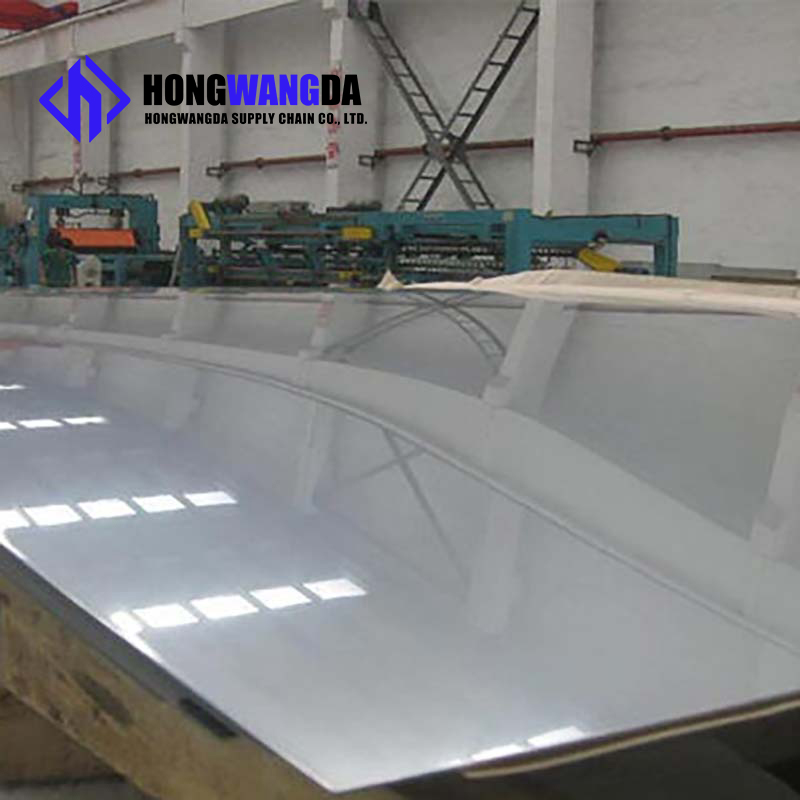
Overview
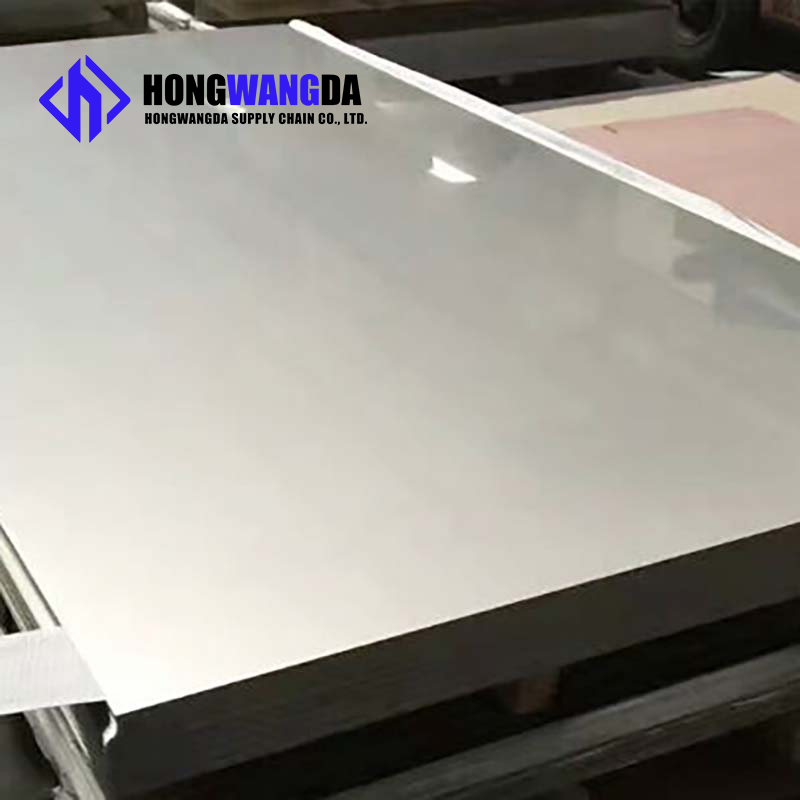
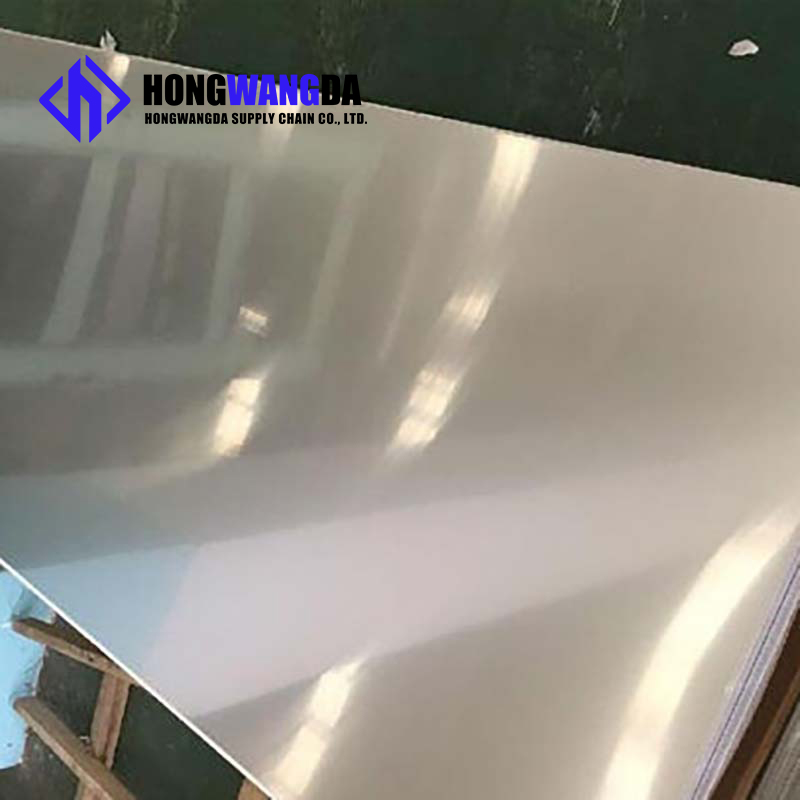
Nickel alloy plates are flat-rolled products manufactured from alloys where nickel (Ni) serves as the base element (typically exceeding 30% nickel content), alloyed with elements such as chromium (Cr), molybdenum (Mo), copper (Cu), and iron (Fe) through melting, casting, and rolling processes. As a class of high-performance non-ferrous metallic materials, nickel alloys hold an irreplaceable position in modern industry due to their exceptional corrosion resistance, excellent high-temperature strength, and stable physical properties.
From chemical reactor vessels to offshore piping systems, from aerospace components to precision electronic instruments, nickel alloy plates provide reliable solutions for demanding service conditions. Based on composition and performance characteristics, nickel alloy plates are primarily categorized into pure nickel series (e.g., Nickel 200/201), nickel-copper series (e.g., Monel 400), nickel-chromium-iron series (e.g., Incoloy 800), and nickel-chromium-molybdenum series (e.g., Inconel 625, Hastelloy C-276), allowing users to select the optimal grade for specific operating environments.
Key Features
Superior Corrosion Resistance: The most distinctive characteristic of nickel alloy plates is their exceptional resistance to corrosive attack. Pure nickel exhibits outstanding performance in caustic alkali environments (such as sodium hydroxide), with extremely low corrosion rates. Nickel-copper alloys (Monel 400) demonstrate excellent stability in reducing media, seawater, and hydrofluoric acid. Nickel-chromium-molybdenum alloys, containing chromium and molybdenum additions, resist both oxidizing and reducing media, including pitting, crevice corrosion, and stress corrosion cracking.
Excellent High-Temperature Performance: Many nickel alloys possess high melting points (pure nickel reaches 1455°C) and superior high-temperature strength. Nickel-chromium-iron alloys (such as Incoloy 800H/HT) maintain structural stability and oxidation resistance up to approximately 1000°C, making them suitable for furnace components and heat treatment equipment. Nickel-chromium-molybdenum alloys (like Inconel 625) combine strength with creep resistance at elevated temperatures.
Good Fabricability: Despite their strength, nickel alloy plates maintain excellent ductility and can undergo both hot and cold working processes. Complex-shaped components can be manufactured through stamping, bending, and deep drawing. Using appropriate welding techniques (such as TIG, MIG) with matching filler metals, nickel alloy plates achieve high-quality welded joints with properties approaching the base metal.
Unique Physical Properties: Pure nickel is ferromagnetic, making it important for various magnetic materials. Certain nickel alloys possess special electrical properties, including high electrical resistivity and stable temperature coefficients of resistance, leading to widespread use in electronic components and electrical resistance heating elements.
Diverse Grade Selection: The nickel alloy family encompasses numerous grades ranging from pure nickel to complex multi-component alloys, with each grade specifically designed for particular corrosive environments or mechanical property requirements, providing users with extensive material selection options.
Specifications with Explanation
Representative Nickel Alloy Plate Chemical Composition Comparison (Typical values, wt%)
Typical Mechanical Properties (Reference values based on various standards)
Physical Properties
Applicable Standards
Applications
Nickel alloy plates, leveraging their diverse performance combinations, find extensive applications across critical industries:
Chemical Processing Industry
Caustic Alkali Production: Pure nickel (Nickel 200/201) is the standard material for equipment handling high-temperature, high-concentration sodium hydroxide (NaOH), widely used in evaporators, concentration vessels, storage tanks, and piping. Its corrosion resistance in caustic environments is irreplaceable.
Sulfuric and Phosphoric Acid Service: Nickel-chromium-molybdenum alloys (Inconel 625, C-276) and nickel-iron-chromium alloys (Incoloy 825) resist corrosion in acid production and handling equipment.
Hydrofluoric Acid Handling: Monel 400 is the preferred material for equipment processing hydrofluoric acid, offering exceptional resistance.
Marine Engineering & Shipbuilding
Seawater Piping Systems: Monel 400 exhibits outstanding resistance to seawater corrosion and erosion-corrosion, used in piping, pumps, and valves.
Offshore Platforms: High-strength nickel alloys (Inconel 625) are used for critical structural components, risers, and subsea equipment requiring both strength and seawater corrosion resistance.
Propeller Shafts and Marine Hardware: Monel alloys provide strength and corrosion resistance for marine components.
Aerospace Industry
Gas Turbine Components: Nickel-chromium and nickel-chromium-molybdenum alloys (Inconel 600, 625, 718) are used for combustion chambers, turbine disks, casing, and exhaust systems operating at elevated temperatures.
Rocket Engine Components: High-temperature nickel alloys withstand extreme thermal and mechanical stresses in rocket motors.
Power Generation
Nuclear Reactor Components: Nickel-chromium-iron alloys (Inconel 600) are used for steam generator tubing and other nuclear service applications due to their resistance to high-purity water corrosion and stress corrosion cracking.
Flue Gas Desulfurization (FGD) Systems: Nickel-chromium-molybdenum alloys (C-276, C-22) provide protection against corrosive sulfuric acid condensates in scrubbers and ductwork.
Electronic and Electrical Industries
Electrical Resistance Elements: Nickel-chromium alloys (Nichrome) are used for heating elements and resistors due to their high resistivity and oxidation resistance.
Magnetic Components: Pure nickel and nickel-iron alloys are used in magnetic shields, transformer cores, and electronic components requiring specific magnetic properties.
Battery Components: Pure nickel strip and foil are used in battery terminals and connectors.
Heat Treating and Industrial Furnaces
Furnace Components and Fixtures: Nickel-chromium-iron alloys (Incoloy 800/800H) are used for radiant tubes, muffles, retorts, and heat treating baskets operating at elevated temperatures.
Annealing Covers and Inner Covers: For batch annealing operations in steel processing.
Comparison: Grade Selection Guide
Buying Guide
Selecting the appropriate nickel alloy plate requires careful evaluation of service conditions and economic factors:
Define Service Environment:
Corrosive Media: Identify specific chemicals, concentrations, and whether the environment is oxidizing or reducing
Temperature Range: Maximum, minimum, and cyclic temperature conditions
Pressure Conditions: Operating pressure and any pressure fluctuations
Mechanical Loading: Static, cyclic, or impact loading conditions
Select Alloy Grade:
Caustic Service: Nickel 200 (up to 315°C) or Nickel 201 (above 315°C to avoid graphitization)
Seawater Service: Monel 400 for general marine; Inconel 625 for higher strength requirements
Acid Service: Incoloy 825 for sulfuric/phosphoric; Inconel 625 for mixed acid environments
High-Temperature Service: Incoloy 800H/HT for oxidation; Inconel 625 for combined strength and corrosion
Verify Specifications and Standards:
Confirm applicable ASTM/ASME, GB, or other international standards
For pressure vessel applications, ensure ASME code compliance
For nuclear service, verify additional quality requirements
Check Availability and Form:
Plate Dimensions: Thickness, width, length requirements and tolerances
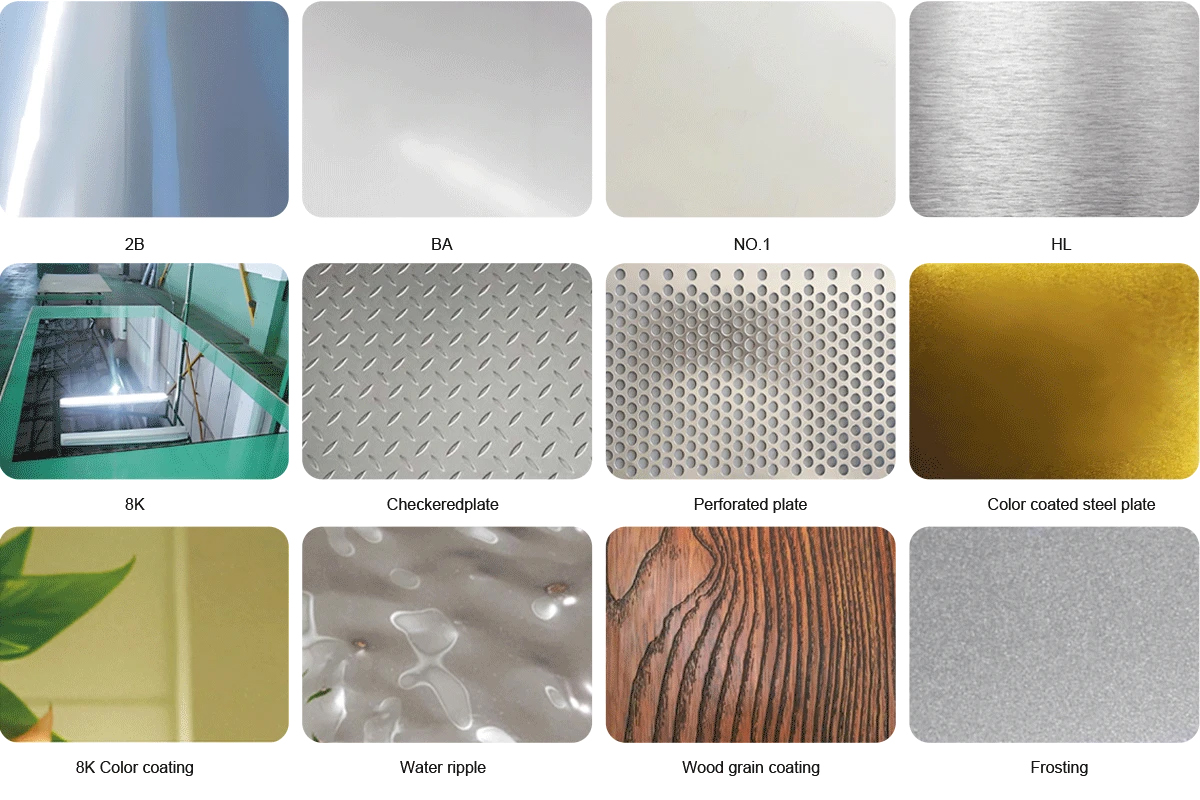
Surface Condition: Hot-rolled annealed and pickled, cold-rolled bright, or ground finishes
Edge Condition: Sheared, plasma-cut, or machined edges
Request Documentation:
Mill Test Certificates (MTC) per EN 10204 3.1/3.2
Heat treatment records
Third-party inspection reports if required
FAQ
Q1: What is the difference between Nickel 200 and Nickel 201?
A: The primary difference is carbon content. Nickel 200 contains up to 0.15% carbon, while Nickel 201 is a low-carbon version with maximum 0.02% carbon. Nickel 201 is preferred for applications above 315°C (600°F) because Nickel 200 can undergo graphitization (formation of graphite particles) at elevated temperatures, potentially embrittling the material. Both offer excellent corrosion resistance in caustic environments, but Nickel 201 is suitable for a wider temperature range.
Q2: Can nickel alloys be welded to stainless steel?
A: Yes, nickel alloys can be welded to stainless steels using appropriate techniques and filler metals. For joining Monel 400 to stainless steel, ENiCu-7 or ERNiCu-7 filler metals are commonly used. For Inconel or Incoloy to stainless steel, nickel-chromium filler metals such as ERNiCr-3 (Inconel 82) are typically specified. Proper joint design, cleaning, and welding parameters are essential for achieving sound dissimilar metal welds.
Q3: How does Monel 400 perform in seawater compared to stainless steel?
A: Monel 400 significantly outperforms standard stainless steels (like 316L) in seawater service. While stainless steels are susceptible to pitting and crevice corrosion in quiescent or low-flow seawater, Monel 400 maintains a protective surface film and resists localized attack. It also exhibits excellent resistance to seawater impingement and erosion-corrosion, making it ideal for high-velocity seawater applications such as piping systems and pump components.
Q4: What is the maximum service temperature for Inconel 625?
A: Inconel 625 maintains useful strength and oxidation resistance up to approximately 980°C (1800°F) for continuous service. For short-term exposure, it can withstand temperatures up to 1035°C (1900°F). However, prolonged exposure above 650°C may result in precipitation of carbides and intermetallic phases, which can affect ductility and corrosion resistance. For specific applications, consult material datasheets and consider the trade-off between mechanical requirements and corrosion performance.
Q5: Are nickel alloys magnetic?
A: It depends on the specific alloy. Pure nickel (Nickel 200/201) is ferromagnetic at room temperature (Curie temperature approximately 360°C). Monel 400 is weakly magnetic or non-magnetic depending on composition and processing. Nickel-chromium alloys like Inconel 600 and 625 are essentially non-magnetic in the annealed condition. Cold working can increase magnetic permeability in some alloys. For applications requiring specific magnetic properties, verify the alloy's magnetic characteristics before selection.
Delivery, Certification & Service
Quality Certification
Material Traceability: Complete heat traceability from melt to finished plate with unique identification markings
Mill Test Certificates (MTC) : EN 10204 3.1/3.2 compliant certificates provided with every shipment including:
Heat number and full chemical composition analysis
Complete mechanical property test results
Heat treatment records
Corrosion test results where specified
Third-Party Inspection: Available through Lloyds, DNV, Bureau Veritas, ABS, or customer-nominated agencies
Available Product Forms and Dimensions
Surface Finishes Available
Hot-rolled annealed and pickled (HRAP)
Hot-rolled annealed (HRA)
Cold-rolled bright annealed
Ground and polished (various grits up to #400)
Sheared, plasma-cut, or machined edges
Packaging and Protection
Interleaving: Paper or plastic interleaving between plates to prevent surface damage
Bundling: Steel-strapped bundles with edge protectors for smaller plates
Crating: Export-grade wooden crates for high-value or precision-cut plates
Waterproofing: Waterproof paper and vapor-phase corrosion inhibitors for marine shipment
Iron-Free Protection: Special packaging available for applications requiring strict iron contamination control
After-Sales Technical Support
Material Selection Assistance: Expert guidance on grade selection for specific applications
Fabrication Support: Technical recommendations for forming, welding, and heat treatment
Failure Analysis: Investigation and analysis of in-service material performance issues
Field Service: On-site technical support for critical applications
Delivery Commitment
Stock Items: 1-2 weeks for standard sizes and grades
Mill Orders: 8-12 weeks for non-standard dimensions or special requirements
Express Service: Rush processing available for emergency requirements
Quality Assurance
All nickel alloy plates are manufactured in accordance with strict quality management systems, certified to ISO 9001:2015. Additional certifications (ASME, PED, NORSOK, etc.) available upon request.
◉ Surfcae selection
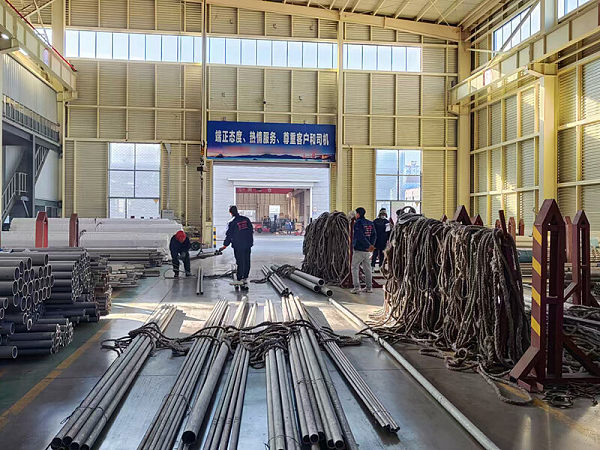
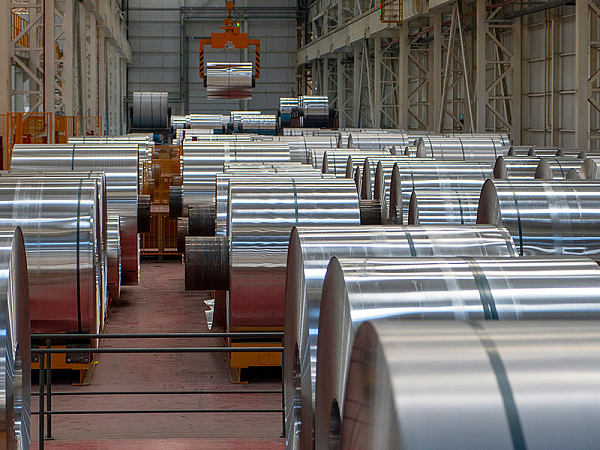
◉ PRODUCTION AND WAREHOUSING
◉ MESSAGE
◉ SIMILAR RECOMMENDED
 Inconel alloy pipe
 Nickel alloy pipe
 Titanium alloy tube
 Monel alloy pipe
 Incoloy alloy pipe
 Hastelloy alloy pipe
 Incoloy alloy bar
 Inconel alloy bar
 Monel alloy bar
 Titanium alloy bar
 Nickel alloy bar
 Hastelloy alloy bar
 Lead ingot
 Inconel alloy plate
 Monel alloy plate
 Titanium alloy plate
 Nickel alloy plate
 Incoloy alloy plate
 Hastelloy alloy plate
 Np550 Wear Resistant Sheet Hot Rolled Steel Plate
 Stainless Steel Channels | Structural Profiles