‹
›
‹
›
◉ PRODUCT SPECIFICATION
Overview
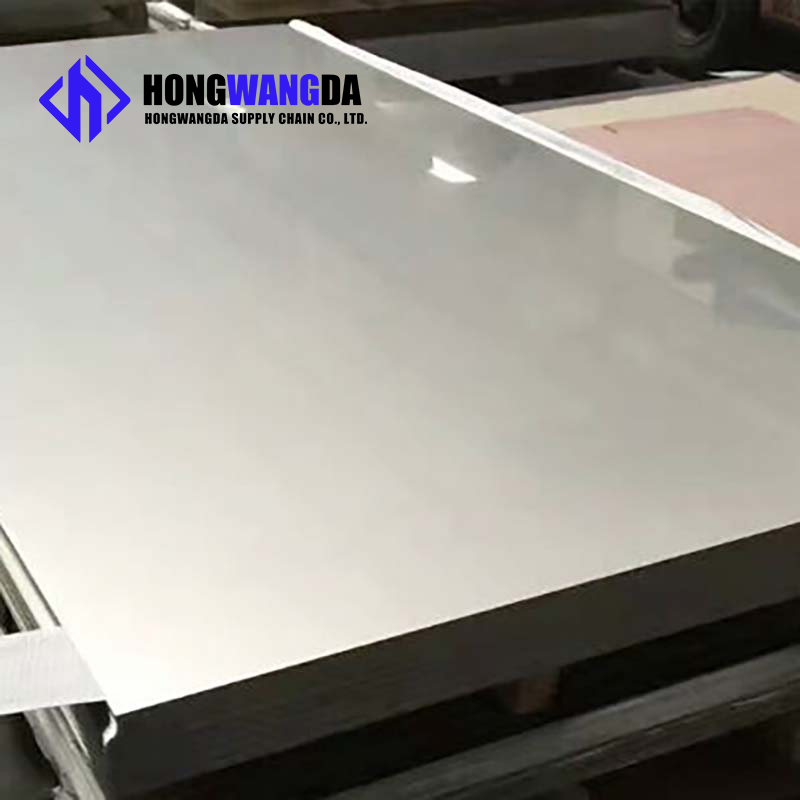
Monel alloy plates are flat-rolled products manufactured from nickel-copper alloys, representing one of the earliest and most successful families of nickel-based alloys. Developed by the International Nickel Company (INCO) in the early 20th century, Monel alloys derive their name from the company president, Ambrose Monell, and have since become indispensable materials for demanding corrosive environments worldwide .
Monel 400, the most widely used grade, consists of approximately 63-70% nickel and 28-34% copper, with small additions of iron, manganese, carbon, and silicon . This nickel-copper solid solution forms a single-phase austenitic structure that cannot be hardened by heat treatment, only through cold working . The unique combination of nickel's corrosion resistance and copper's ability to withstand reducing environments creates an alloy with exceptional versatility.
Monel alloys occupy a special position in the materials hierarchy—they outperform stainless steels in many corrosive media, particularly seawater and hydrofluoric acid, while offering a more economical alternative to higher-nickel alloys like Inconel or Hastelloy in suitable applications . With useful strength from subzero temperatures up to approximately 538°C (1000°F) , Monel plates maintain mechanical integrity across an extraordinary temperature range .
Often colloquially referred to as "Monel steel plates" in some regions, these materials are fundamentally nickel-based alloys, not steels—a distinction critical to understanding their unique corrosion-resistant properties .
Key Features
Exceptional Seawater Corrosion Resistance: Monel alloys exhibit outstanding resistance to rapidly flowing seawater, brackish water, and marine atmospheres . They resist pitting, crevice corrosion, and stress corrosion cracking in chloride environments where stainless steels frequently fail . This performance extends to resistance against cavitation and erosion-corrosion in high-velocity marine applications .
Superior Performance in Hydrofluoric Acid: Monel 400 demonstrates unmatched resistance to hydrofluoric acid (HF) in both aerated and de-aerated conditions, making it the standard material for handling this aggressive acid across various concentrations and temperatures . This property is particularly valuable in alkylation plants and chemical processing facilities .
Excellent Resistance to Reducing Acids: The copper content provides exceptional performance in non-oxidizing acids such as dilute sulfuric acid, hydrochloric acid (when de-aerated), and phosphoric acid . However, aeration or the presence of oxidizing salts can accelerate corrosion rates .
Outstanding Alkali Resistance: Monel alloys resist corrosion in most alkaline environments, including caustic soda (NaOH) and caustic potash (KOH), across a wide range of concentrations and temperatures .
Good Mechanical Properties Across Temperature Range: Monel maintains useful strength from cryogenic temperatures down to -196°C (-320°F) up to approximately 480-550°C (900-1020°F) . Unlike many materials, it exhibits excellent toughness and ductility at subzero temperatures without embrittlement .
Resistance to Chloride Stress Corrosion Cracking: The alloy is virtually immune to chloride-induced stress corrosion cracking, a common failure mode for austenitic stainless steels in hot chloride environments .
Good Weldability and Fabricability: Monel plates can be welded using standard techniques (TIG, MIG, SMAW) with matching filler metals (Monel 60 wire, Monel 190 electrodes) . The alloy exhibits good formability, though its high work-hardening rate may require intermediate annealing during severe cold forming operations .
Non-Magnetic Properties: Monel 400 is essentially non-magnetic at room temperature (magnetic permeability ~1.002), making it suitable for applications requiring non-magnetic materials such as electronic housings and instrument components .
Specifications with Explanation
Monel Alloy Plate Chemical Composition Comparison (Typical values, wt%)
Typical Mechanical Properties
Physical Properties
Applicable Standards
Available Dimensions
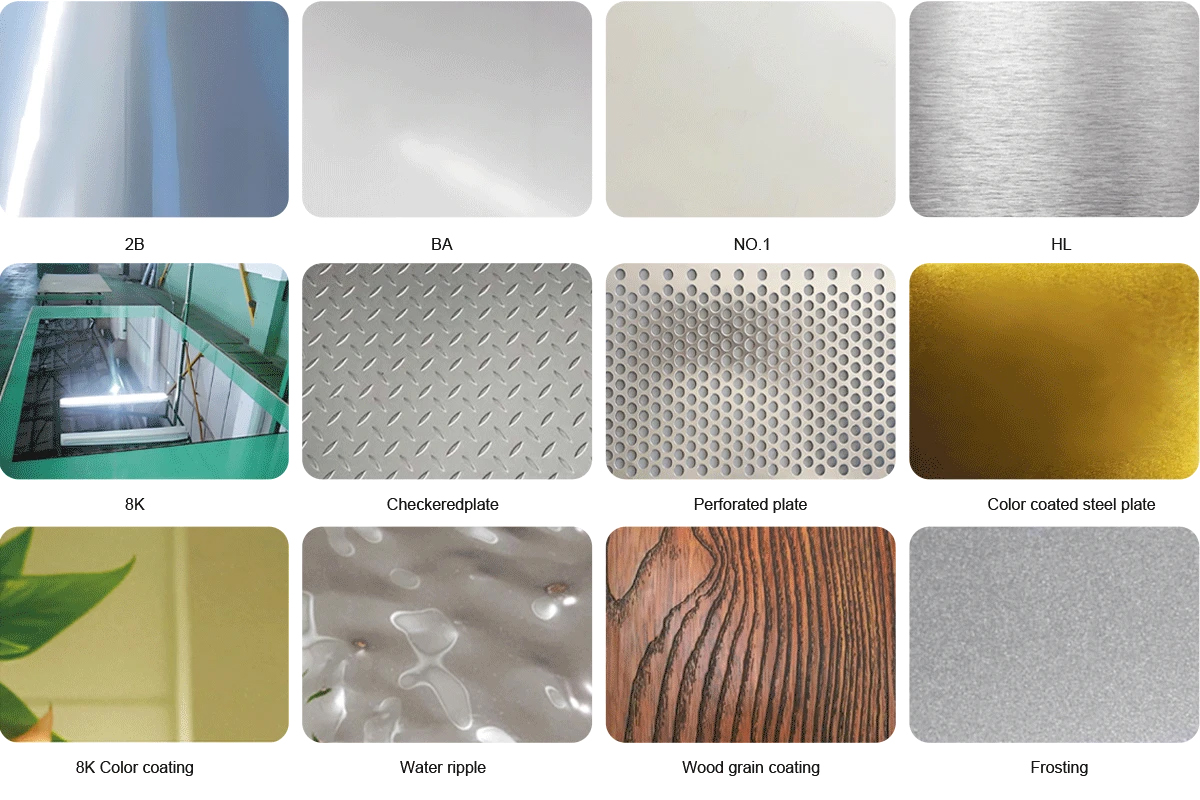
Surface Finishes Available
Hot Rolled Annealed and Pickled (HRAP)
Cold Rolled (2B, 2D, BA)
No.1 Finish (Hot Rolled Annealed)
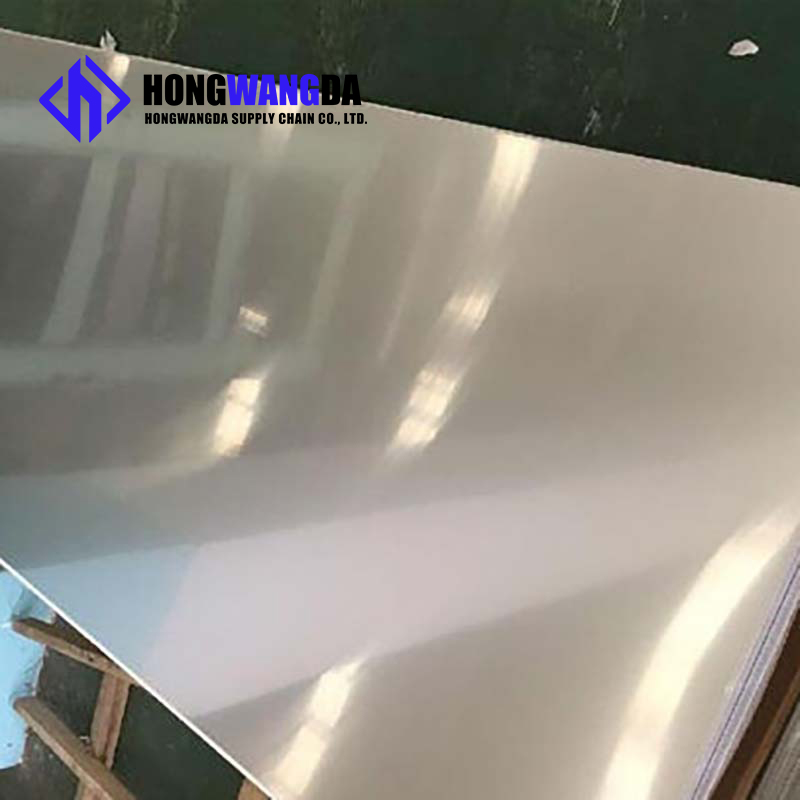
Polished (No.4, No.8, Mirror)
Satin / Hairline
Sandblast / Etching
Checkered / Embossed
Applications
Monel alloy plates, leveraging their exceptional combination of corrosion resistance and mechanical properties, serve critical functions across diverse high-performance industries:
Marine Engineering
Propeller Shafts and Blades: Resistance to seawater corrosion, cavitation, and erosion-corrosion in high-velocity marine environments
Pump Shafts and Impellers: For seawater handling systems, ballast systems, and fire fighting equipment
Valves and Fittings: Marine valves, fasteners, and hardware requiring long-term reliability in saltwater
Seawater Scrubbers: Components in tanker inert gas systems and ballast water treatment
Desalination Plants: Evaporator and heat exchanger components in reverse osmosis and thermal desalination facilities
Chemical Processing Industry
Hydrofluoric Acid Alkylation Units: The standard material for equipment handling HF in petroleum refining alkylation processes
Heat Exchangers and Condensers: For corrosive media including acids, alkalis, and salt solutions
Reactor Vessels and Pressure Vessels: For chemical processes involving reducing acids and caustic environments
Piping Systems: Transfer lines for corrosive chemicals, including crude petroleum columns and refinery equipment
Pickling Equipment: Heating coils and tanks for metal pickling operations using sulfuric and hydrochloric acids
Oil and Gas Industry
Sour Gas Service: Components in hydrogen sulfide environments requiring NACE compliance
Offshore Platform Equipment: Seawater intake systems, risers, and processing equipment
Wellhead Components: Valves, hangers, and completion equipment in corrosive environments
Crude Oil Processing: Transfer piping from refinery crude columns, distillation equipment
Power Generation
Feed Water Heaters: Tubing and plates for feed water heater and steam generator applications
De-aerating Heaters: Components requiring resistance to oxygenated water at elevated temperatures
Nuclear Fuel Processing: Equipment for uranium refining and isotope separation
FGD Systems: Flue gas desulfurization components in power plants
Aerospace and Defense
Fasteners and Hardware: High-strength corrosion-resistant fasteners for aircraft and defense applications
Component Housings: Electronic enclosures requiring non-magnetic properties
Military Specifications: Components requiring QQ-N-281 compliance
Industrial Processing
Pulp and Paper Industry: Process equipment in caustic environments, digesters, and bleach plants
Food Processing Equipment: For equipment handling corrosive food acids and cleaning solutions
Pharmaceutical Industry: Reactors and processing vessels requiring clean, corrosion-resistant surfaces
Chlorinated Solvents: Equipment for manufacturing perchlorethylene and chlorinated plastics
Other Applications
Musical Instruments: High-quality brass instrument components, particularly professional-grade trumpets
Electrical and Electronic Components: Connectors, springs, and housings requiring non-magnetic properties
Architectural Applications: Coastal building components requiring atmospheric corrosion resistance
Comparison: Grade Selection Guide
Buying Guide
Selecting the appropriate Monel alloy plate requires careful evaluation of service conditions, mechanical requirements, and economic factors:
Define Service Environment:
Corrosive Media: Identify specific chemicals, concentrations, and temperature. For seawater and dilute acids, Monel 400 excels. For strongly oxidizing acids (concentrated nitric), avoid Monel entirely
Temperature Range: Maximum service temperature (continuous service up to 538°C / 1000°F for Monel 400)
Aeration Conditions: Note whether media are aerated or de-aerated—Monel performs best in de-aerated reducing acids
Mechanical Loading: Static, cyclic, or impact loading conditions. For high-strength requirements, consider Monel K-500
Select Alloy Grade:
Monel 400 (UNS N04400) : General-purpose grade for most corrosion-resistant applications
Monel K-500 (UNS N05500) : For applications requiring high strength, wear resistance, and hardness
Monel R-405 (UNS N04405) : For high-volume machined parts where machinability is critical
Verify Specifications and Standards:
Confirm applicable ASTM/ASME standards (ASTM B127 / ASME SB-127 for plates)
For pressure vessel applications, ensure ASME code compliance
For military applications, verify QQ-N-281 compliance
For European applications, confirm DIN 2.4360 requirements
Check Product Forms and Dimensions:
Thickness Availability: 0.1mm to 120mm+ depending on supplier
Width Requirements: Standard widths up to 3500mm; custom widths available
Surface Condition: Specify hot-rolled annealed and pickled (HRAP), cold-rolled, polished, or other finishes
Custom Cutting: Precision cutting services available for non-standard sizes
Request Documentation:
Mill Test Certificates (MTC) per EN 10204 3.1/3.2 with:
Heat number and full chemical composition
Complete mechanical property test results
Heat treatment records
Third-party inspection reports for critical applications
Consider Fabrication Requirements:
Monel work-hardens rapidly; plan for intermediate annealing during severe cold forming
For welding, specify appropriate filler metals (Monel 60 wire, Monel 190 electrodes)
For machining, expect "gummy" behavior similar to high-alloy stainless steels; use sharp tools and ample coolant
FAQ
Q1: What is the difference between Monel 400 and Monel K-500?
A: The primary difference lies in strengthening mechanism and resultant mechanical properties. Monel 400 is a solid-solution strengthened alloy that can only be hardened through cold working. Monel K-500 contains aluminum (2.3-3.15%) and titanium (0.35-0.85%), which form precipitation hardening phases (Ni₃Al, Ni₃Ti) during controlled aging heat treatment . This allows K-500 to achieve significantly higher strength—yield strength up to 690 MPa versus 170-275 MPa for annealed Monel 400 . However, K-500 requires careful heat treatment and may have slightly different corrosion characteristics in some environments .
Q2: Is Monel magnetic?
A: Monel 400 is essentially non-magnetic at room temperature, with a magnetic permeability of approximately 1.002 . However, it has a Curie temperature in the range of 21-60°C (70-140°F), meaning it can become slightly magnetic below this temperature range . Cold working may also induce some magnetic response. For applications requiring strict non-magnetic properties, this behavior should be considered.
Q3: Can Monel be used with nitric acid?
A: Monel should be avoided in concentrated nitric acid and strongly oxidizing environments . The alloy performs best in reducing conditions and can be attacked by oxidizing acids. For nitric acid service, consider high-chromium stainless steels (e.g., 304L, 310S) or nickel-chromium-molybdenum alloys like Inconel 625 or Hastelloy C-276 .
Q4: What is the maximum service temperature for Monel 400?
A: Monel 400 maintains useful mechanical properties up to approximately 538°C (1000°F) for continuous service . Above this temperature, oxidation resistance and strength may degrade. For short-term exposure, some applications may use Monel up to 600°C, but oxidation resistance becomes increasingly limited at very high temperatures . For higher temperature service, consider nickel-chromium alloys like Inconel 600 or 625.
Q5: How does Monel compare to stainless steel in seawater?
A: Monel significantly outperforms standard stainless steels (like 316L) in seawater service. While stainless steels are susceptible to pitting, crevice corrosion, and stress corrosion cracking in quiescent or low-flow seawater, Monel 400 maintains a protective surface film and resists localized attack . It also exhibits excellent resistance to seawater impingement and erosion-corrosion, making it ideal for high-velocity seawater applications such as piping systems and pump components .
Delivery, Certification & Service
Quality Certification
Material Traceability: Complete heat traceability from melt to finished plate with unique identification markings per ASTM/ASME requirements
Mill Test Certificates (MTC) : EN 10204 3.1/3.2 compliant certificates provided with every shipment including:
Heat number and full chemical composition analysis per applicable specifications
Complete mechanical property test results (tensile, yield, elongation)
Hardness testing where applicable
Heat treatment records
Corrosion test results when specified
Third-Party Inspection: Available through Lloyds, DNV, Bureau Veritas, ABS, SGS, or customer-nominated agencies
Special Testing Available:
Positive Material Identification (PMI)
Ultrasonic inspection (Flaw detection, thickness verification)
Mechanical testing at elevated or cryogenic temperatures
Microstructural evaluation
NACE MR0175/ISO 15156 compliance verification for sour service
Available Product Forms and Dimensions
Surface Finishes Available
Hot Rolled Annealed and Pickled (HRAP) – standard for plates
Cold Rolled Finishes:
2B (Bright Cold Rolled)
2D (Dull Cold Rolled)
BA (Bright Annealed)
No.1 Finish (Hot Rolled Annealed)
Polished Finishes:
No.4 (150-180 grit)
No.8 (Mirror finish)
8K (Super mirror)
Specialty Finishes:
Satin / Hairline
Sandblast / Etching
Brush finish
Checkered / Embossed
Plastic coated for protection
Packaging and Protection
Interleaving: Paper, plastic, or foam interleaving between plates to prevent surface damage
Bundling: Steel-strapped bundles with edge protectors for smaller plates
Crating: Export-grade wooden crates for high-value or precision-cut plates
Waterproofing: Waterproof paper, VCI (Vapor Corrosion Inhibitor) materials, and desiccant packs for marine shipment
Marine Packaging: Specialized packaging for international shipping
Custom Marking: Stenciling, tagging, or laser marking per customer specifications
After-Sales Technical Support
Material Selection Assistance: Expert guidance on grade selection for specific applications based on service conditions
Fabrication Support: Technical recommendations for forming, machining, welding, and heat treatment
Welding Procedure Development: Assistance with procedure qualification and parameter optimization
Failure Analysis: Investigation and analysis of in-service material performance issues
Field Service: On-site technical support for critical applications
Documentation Support: Assistance with certification requirements and quality documentation
Delivery Commitment
Stock Items: 1-2 weeks for standard sizes and thicknesses
Mill Orders: 4-8 weeks for non-standard dimensions or special requirements
Express Service: 3-7 working days for expedited stock items
Just-in-Time (JIT) Delivery: Coordinated delivery schedules to support lean manufacturing operations
Global Logistics: International shipping with full export documentation, customs clearance support
Quality Assurance
All Monel alloy plates are manufactured in accordance with strict quality management systems, certified to ISO 9001:2015 and applicable industry standards. Production facilities maintain:
Advanced Melting Capabilities: Precise control of nickel-copper ratio and impurity levels
Precision Rolling: State-of-the-art hot and cold rolling mills with dimensional control systems
Comprehensive Testing: In-house laboratories with full mechanical, chemical, and non-destructive testing capabilities
Specialized Capabilities:
Production of wide plates for large structural components
Capability to produce thin sheets for precision applications
Custom processing including cutting, welding, and surface finishing
Industry-Specific Certifications Available
Aerospace: AS9100, AMS specifications
Pressure Equipment: PED (Pressure Equipment Directive), ASME Code
Defense: ITAR compliance, MIL-SPEC certifications (QQ-N-281)
Oil & Gas: NACE MR0175/ISO 15156 compliance
Nuclear: NQA-1, 10CFR50 Appendix B
◉ Surfcae selection
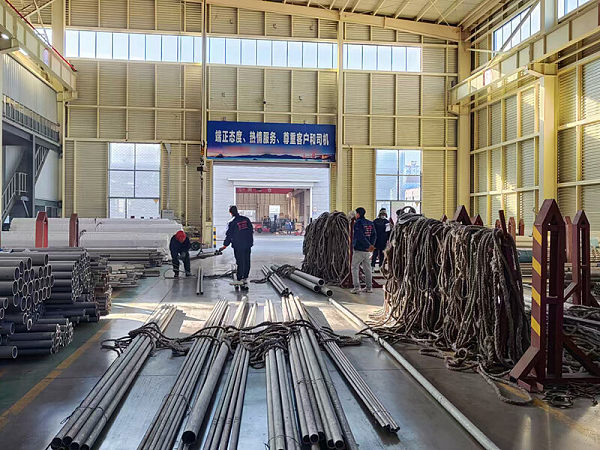
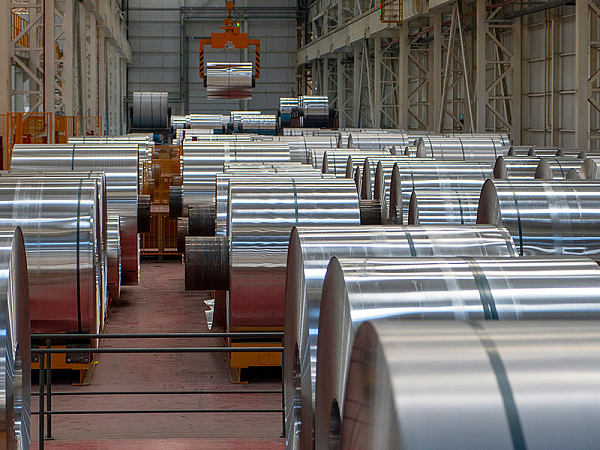
◉ PRODUCTION AND WAREHOUSING
◉ MESSAGE
◉ SIMILAR RECOMMENDED
 Inconel alloy pipe
 Nickel alloy pipe
 Titanium alloy tube
 Monel alloy pipe
 Incoloy alloy pipe
 Hastelloy alloy pipe
 Incoloy alloy bar
 Inconel alloy bar
 Monel alloy bar
 Titanium alloy bar
 Nickel alloy bar
 Hastelloy alloy bar
 Lead ingot
 Inconel alloy plate
 Monel alloy plate
 Titanium alloy plate
 Nickel alloy plate
 Incoloy alloy plate
 Hastelloy alloy plate
 Np550 Wear Resistant Sheet Hot Rolled Steel Plate
 Stainless Steel Channels | Structural Profiles