‹
›
‹
›
◉ PRODUCT SPECIFICATION
Overview
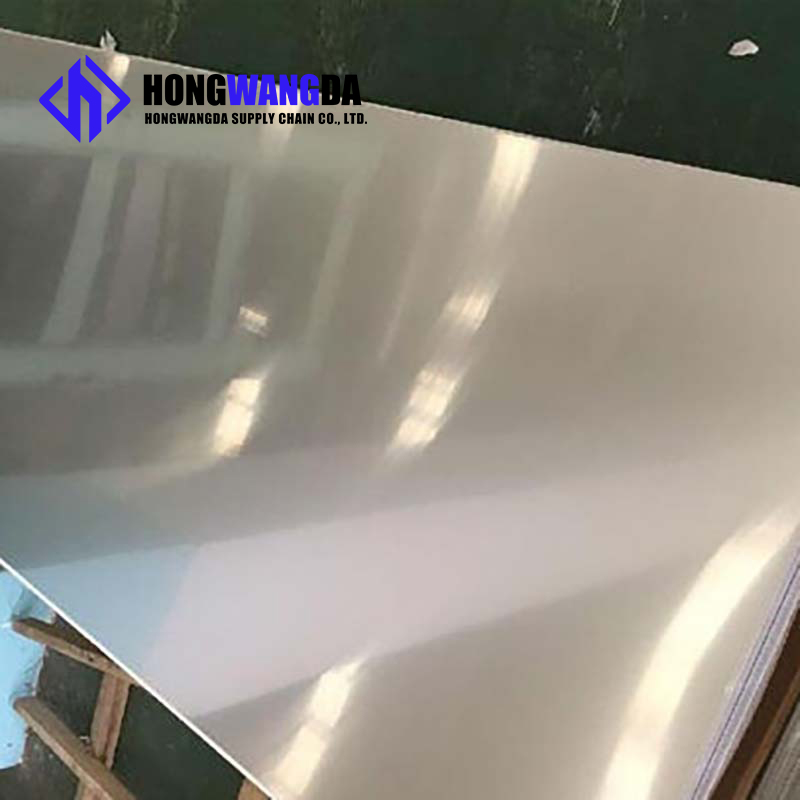
Hastelloy, a family of high-performance nickel-based superalloys originally developed by Haynes International, has become the "Gold Standard" for material selection in extreme corrosive environments worldwide. These alloy plates utilize Nickel (Ni) as the base matrix, strategically alloyed with Chromium (Cr), Molybdenum (Mo), and Tungsten (W) to provide exceptional resistance to a wide range of harsh chemical media, including strong acids, wet chlorine gas, and chloride-induced Stress Corrosion Cracking (SCC).
In modern process industries, equipment failure is often not due to lack of strength, but rather unscheduled downtime caused by localized corrosion. Hastelloy plates are engineered to solve this critical pain point. Whether used in chemical reactors, scrubbers in Flue Gas Desulfurization (FGD) systems, or critical structural components in marine engineering, Hastelloy plates offer reliable service lives spanning decades.
Key Features
What sets Hastelloy apart from standard stainless steels and even other nickel alloys is its synergistic multi-element composition, providing a "comprehensive defense" mechanism.
Universal Corrosion Resistance:
Against Oxidizing Media: High Chromium content (e.g., 22% in C-22) ensures a stable passive film forms in oxidizing environments like nitric acid and ferric salts.
Against Reducing Media: High Molybdenum content (e.g., 15-17% in C-276) provides exceptional resistance in reducing environments such as hydrochloric acid and dilute sulfuric acid.
Immunity to Localized Corrosion: The alloy design inherently resists pitting, crevice corrosion, and SCC caused by chlorides—capabilities unattainable by standard 316L stainless steel.
Extreme Condition Adaptability:
High-Temperature Stability: Specific grades (e.g., C-4, X) maintain microstructural stability up to 1040°C and beyond, minimizing precipitate formation and preventing intergranular corrosion.
Wide-Temperature Toughness: Retains excellent mechanical properties and ductility from cryogenic to elevated temperatures, facilitating fabrication and preventing brittle failure in service.
Superior Fabricability:
Despite its high strength, Hastelloy maintains excellent hot and cold workability. It can be easily welded using methods like TIG and MIG. Crucially, it typically requires no complex post-weld heat treatment to restore corrosion resistance, significantly simplifying equipment manufacturing.
Specifications with Explanation
Hastelloy Alloy Plate Chemical Composition Comparison (Typical values, wt%)
Mechanical Property Guarantees (Typical Room Temperature Minimums)
Applications
Hastelloy plates are the material of choice for solving "difficult" corrosion problems in advanced industries:
Chemical & Petrochemical Processing:
Reactor Vessels & Storage Tanks: For handling media containing chlorides, HCl, sulfuric acid, and phosphoric acid. It is the standard material in acetic acid and acetic anhydride production.
Heat Exchangers: Under heat transfer conditions, corrosivity increases exponentially; Hastelloy plates ensure long-term sealing and thermal efficiency.
Environmental & Energy Industries:
Flue Gas Desulfurization (FGD) Systems: Scrubbers and reheater ducts in coal-fired power plants must resist corrosion from sulfurous acid, sulfuric acid, and chlorides. C-276 is the global benchmark material for FGD linings.
Nuclear Fuel Reprocessing: Resists corrosion from nitric acid and fluorides for critical nuclear equipment.
Aerospace & High-Temperature Applications:
Hastelloy X is specifically used for aircraft engine combustors, afterburners, and transition ducts, withstanding thermal shock and stress from combustion gases up to 1175°C.
Marine Engineering & Salt Industries:
Seawater Heat Exchangers, Subsea Pipelines, and equipment handling brine are effectively protected against galvanic corrosion and pitting.
Comparison: Grade Selection Guide
A quick guide to selecting the right grade for your needs:
Buying Guide
Purchasing Hastelloy plates is about buying "peace of mind," not just "material." Follow these steps for a successful procurement:
Define the Service Environment: Provide detailed media composition (especially chloride concentration, pH), operating temperature, pressure, and presence of cyclic stress. Never purchase based solely on "corrosion resistance."
Confirm Standards & Specifications:
Standards: Verify compliance requirements (e.g., ASTM, ASME, or GB standards). ASME SB-575 is a common standard for pressure vessel plates.
Tolerances: Specify thickness, width, and flatness requirements.
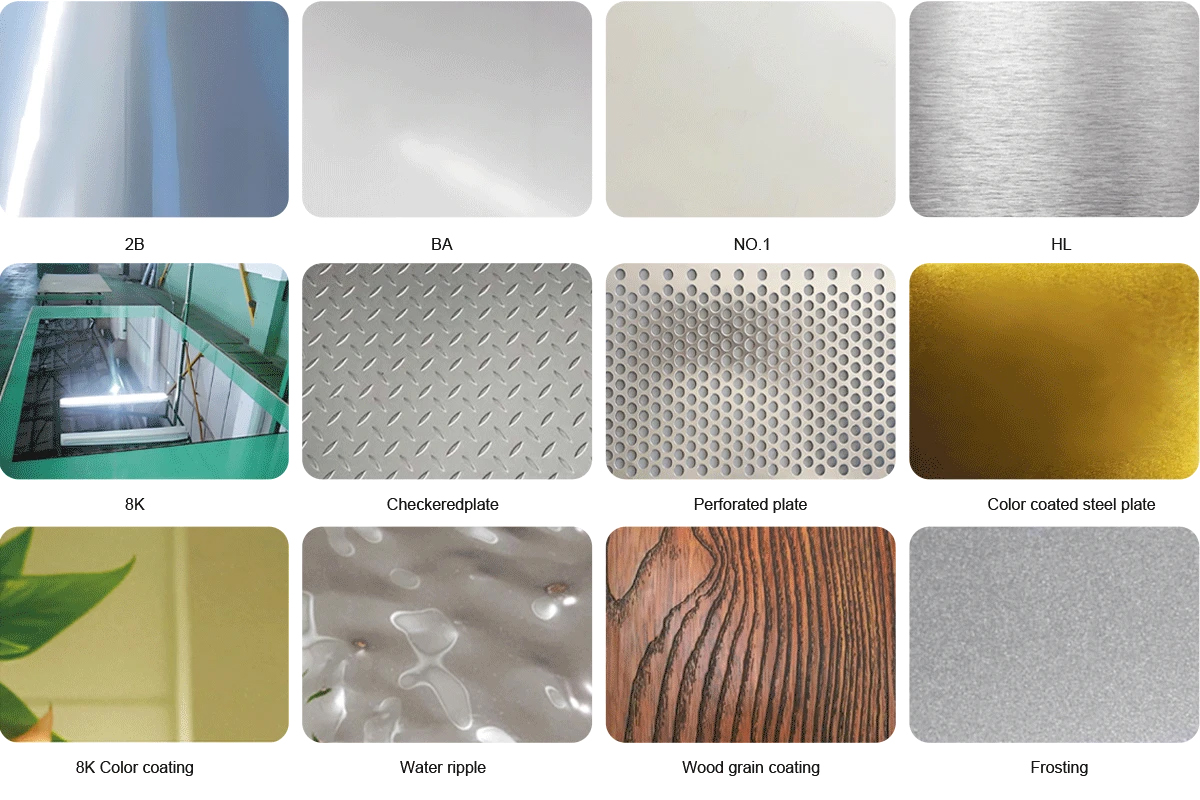
Surface Condition: Specify hot-rolled black, pickled, or cold-rolled bright finish.
Verify Certification (MTC) : Insist on a Mill Test Certificate (MTC) compliant with EN 10204 3.1 or 3.2. This certificate must include the heat number, full chemical analysis, and mechanical test data, traceable to the physical material markings.
Special Testing: For critical applications, consider requesting additional services like Positive Material Identification (PMI), Ultrasonic Testing (UT), or intergranular corrosion testing (per ASTM G28).
FAQ
Q1: Can Hastelloy rust?
A: In most chemical media, Hastelloy offers exceptional corrosion resistance. However, in extremely strong oxidizing environments (e.g., concentrated nitric acid, sodium hypochlorite), or if the surface is contaminated with iron particles, scratches, or unremoved welding oxides, discoloration or pitting can still occur. Therefore, post-weld pickling and passivation and preventing contact contamination with carbon steel are critical.
Q2: What is the main difference between Hastelloy C-276 and C-22?
A: C-22 can be considered an "enhanced" version of C-276. By increasing the Chromium content (22% vs. 16.5%), C-22 offers significantly better resistance to uniform corrosion in oxidizing media (like hydrochloric acid containing oxidizers) and superior resistance to localized corrosion (pitting/crevice corrosion) compared to C-276. However, C-276, with its higher Molybdenum and Tungsten content, remains excellent in purely reducing environments.
Q3: What is the typical Minimum Order Quantity (MOQ) and lead time for Hastelloy plates?
A: MOQ varies by supplier. Small trial samples might be 5-10 kg, while standard industrial plates may require several hundred kilograms. For common grades like C-276, suppliers with domestic stock can typically offer lead times of 2-3 months, significantly better than the >6 months for materials sourced directly from overseas mills.
Q4: Can Hastelloy be welded to stainless steel?
A: Technically, yes. It requires using nickel-based filler metals (like ERNiCrMo series) for dissimilar metal welding. It's important to note that due to dilution, the corrosion resistance of the weld zone will be lower than that of the base Hastelloy. This must be carefully considered based on the corrosive environment.
Delivery, Certification & Service
We are committed to providing full-chain reliable service:
Quality Certification System:
Raw Materials: Sourced from reputable domestic and international mills (e.g., Haynes International, Baosteel, Fushun Special Steel), ensuring clean composition and minimal inclusions.
Full Traceability: Compliant with standards like GJB, ASTM/ASME, and DIN. We provide a fully traceable Mill Test Certificate (MTC) with every shipment, containing the heat number, chemical composition, and mechanical property data.
Delivery Assurance:
Stock & Processing: Maintains inventory of common grades (C-276, C-22) to support just-in-time needs. Offers value-added services like custom cutting, surface treatment, and slitting.
Secure Packaging: Provides wooden crates, steel-strapped bundles, or waterproof packaging for both domestic and export shipping, ensuring plates arrive scratch-free and undeformed.
After-Sales Technical Support:
Fabrication Guidance: Offers recommendations on welding parameters and pickling/passivation procedures to assist with downstream manufacturing challenges.
Quality Commitment: Supports a return/replacement policy if material is confirmed by a third-party Authoritative institution to have Metallurgy defects not in accordance with the contract, with a rapid response to claims.
◉ Surfcae selection
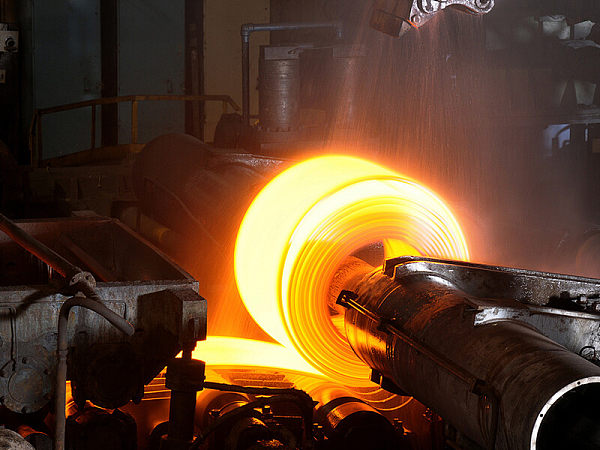
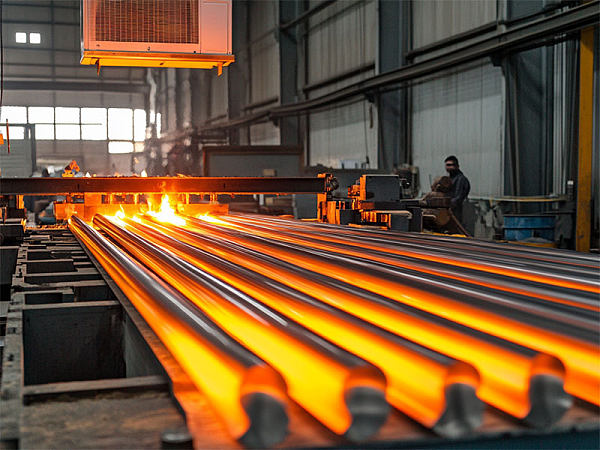
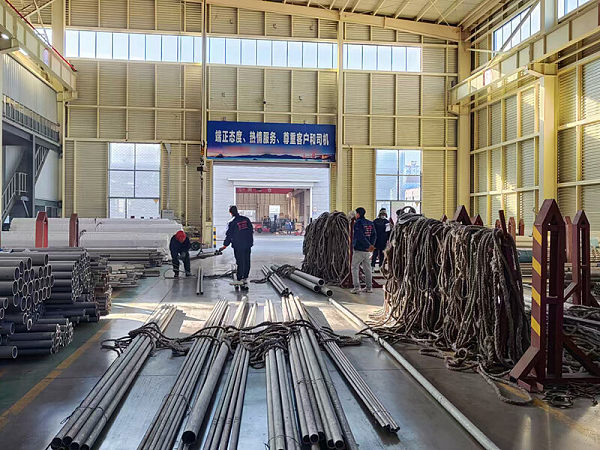
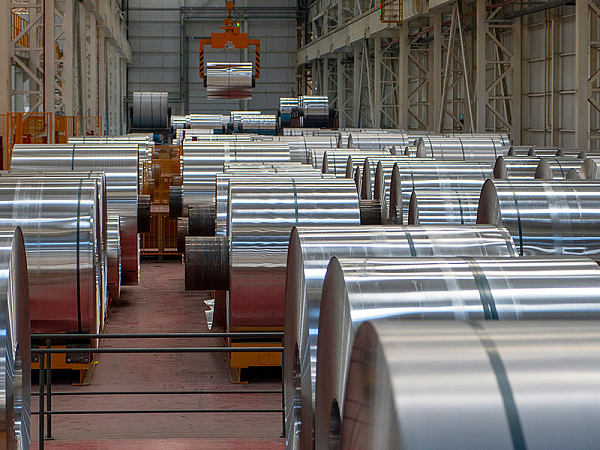
◉ PRODUCTION AND WAREHOUSING
◉ MESSAGE
◉ SIMILAR RECOMMENDED
 Inconel alloy pipe
 Nickel alloy pipe
 Titanium alloy tube
 Monel alloy pipe
 Incoloy alloy pipe
 Hastelloy alloy pipe
 Incoloy alloy bar
 Inconel alloy bar
 Monel alloy bar
 Titanium alloy bar
 Nickel alloy bar
 Hastelloy alloy bar
 Lead ingot
 Inconel alloy plate
 Monel alloy plate
 Titanium alloy plate
 Nickel alloy plate
 Incoloy alloy plate
 Hastelloy alloy plate
 Np550 Wear Resistant Sheet Hot Rolled Steel Plate
 Stainless Steel Channels | Structural Profiles